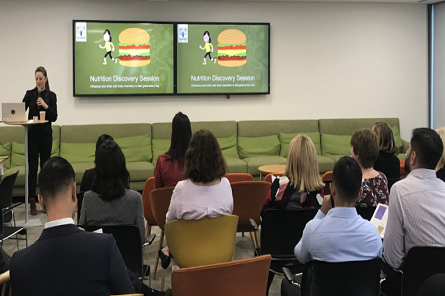
 Companies are beginning to understand that the health of the employees will directly influence the performance of the business, but they are neglecting one simple ingredient, which is nutrition. Nutrition seminars at the workplace are an untapped but effective instrument to changing the health of employees, increasing their productivity and creating healthier organizational cultures. Delivered directly to the staff members, evidence-based nutrition education enables companies to cover one of the most fundamental areas of human performance that determines levels of energy, mental acuity, susceptibility to chronic diseases, and engagement in job. The science is very convincing that companies that invest in extensive nutrition education will always experience statistically significant changes in employee health rates and bottom line business performance indicators.
The Productivity-Nutrition Relationship
Nutrition has a direct effect on the cognitive functionality, energy homeostasis, and occupational productivity. Employees that eat nutritious and balanced meals provide their brains with enough energy to maintain good concentration, make decisions faster and be even more creative. On the other hand, unhealthy eating habits lead to energy crashes, mental fogs, and afternoon crashes which lower productivity to a large extent.
The studies by the International Labor Organization show that inappropriate diets may decrease the productivity of workers by as much as 20 per cent worldwide. A single study was able to identify an increase in the productivity of workers by 2.73 hours when corporate wellness programs were put in place. Workers who eat healthy diets always ensure more steady energy levels during working days, and they do not experience sugar crashes disrupting concentration and productivity.
Nutrition seminars also deal directly with this by informing the employees about the balance between the macronutrients, energy that lasts and the food choices that keep the mind clear during the workday. Instead of relying on caffeine or sweet food to give them a boost of energy, workers are taught to sustain their regular performance by eating healthy. This training has a direct effect on productive gains, including more attentive employees, completed tasks more quickly, and improved the quality of decisions made.
Less Absenteeism and Healthcare Expenses
Unhealthy eating undermines immunity, which enhances morbidity and morbidity. Unhealthy employees spend a lot more time on sick days- studies indicate that employees are working in nutrition and physical activity programs spend 27% less sick days than the ones who do not have access to such programs. An organization (MD Anderson Cancer Center) showed a reduction of 80 percent in the number of people who lost their workdays, as a result of the implementation of healthier lifestyles by employees. Such a decrease in absenteeism has a direct positive impact on continuity of operations and decreases the expensive temporary staffing requirements.
On top of short-term absenteeism, nutrition education deals with the prevention of chronic diseases. Unhealthy food leads to obesity, diabetes, heart disease, etc, which demand much medical help. Organizations that use nutrition initiatives save a lot of money in terms of long-term health expenditure. An example is Johnson and Johnson which projected a savings of 250 million in healthcare in 12 years since it started its extensive wellness program.
Stress Management and Mental Health
Nutrition science is becoming familiar with the gut-brain connection. Whole grain, vegetable, and omega-3 fat diets aid the health of the brain and alleviate the symptoms of anxiety and depression. Employees are offered some practical skills on how to maintain a healthy mind using nutrition seminars that educate them on stress management through dietary, mood-enhancing nutrients and mindful eating habits. This can also be useful especially in the high stress working conditions that are characterized by emotional stability that directly influences performance and retention.

Employee Engagement and Workplace Culture
Companies that put emphasis on nutrition of their employees drive a strong message: we are concerned about your health. This is true dedication instead of generic wellness benefits. Workers who underwent nutrition education also note that they are more satisfied with their job, they are more motivated and that they are more proud of their employer. AFLAC study had established that 70% of the employees expressed increased job satisfaction when they took part in corporation wellness and nutrition programs. This enhanced culture increases retention- the organizations that invest in the wellness of their employees have increased retention and reduced voluntary turnover.
Developing Sustainable Behavior Change
Sustainable behavior change is made possible through workplace nutrition seminars, which are supported by an enabling environment and continued resources. A study conducted by the Journal of Nutrition Education and Behavior demonstrates that the participants stick to healthy practices after six months of program attendance. The integration of educating, supportive, and environmental modifications is a situation that allows permanent change and not a short-term adherence to diet.
Conclusion
Nutrition seminars in the workplace are a strategic move towards investment in the employees and enhancing the performance of the business at the same time. The nutrition seminars will reimburse notable returns on investments through education that enhances focus and energy, eliminates sick days by preventing diseases, promoting mental health, and creating positive cultures at the workplace. Companies that believe in sustainable success do not accept nutrition as a marginal benefit in wellness, but rather as a fundamental organizational pillar that stands behind the performance of its employees, their engagement and health in the long-term of the organization.