Independence grows when the support around you respects how you live and what you can already do. An NDIS disability services provider supports you through practical help that fits your routine while keeping choice and control with you.
Below are the key ways this kind of support can help you build independence in everyday life.
Personalized Daily Support That Builds Confidence
Support follows the way your day unfolds, including slow starts, rushed moments, and shifts in energy that appear without warning. Some mornings feel heavier. Other days carry more momentum than planned.
Help steps in only when balance, tiredness, or safety becomes a concern. Tasks often feel easier when someone works alongside you instead of ahead of you. A health checkup checklist may sit quietly nearby, catching small changes without turning care into constant conversation.
Confidence builds when you stay involved, repeat actions, and finish tasks yourself, even when support is close, and steady progress forward.
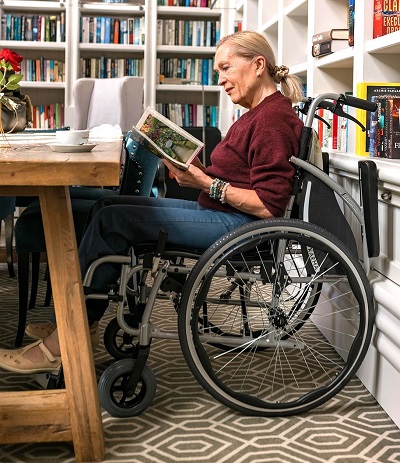
Life-Skills Development for Long-Term Self-Reliance
Skill building focuses on everyday tasks that quietly affect how steady life feels. Things like managing a weekly routine, handling simple paperwork, or preparing food in a way that suits your movement or concentration.
These are practiced slowly, sometimes in short bursts, sometimes with pauses when fatigue sets in. It often feels easier to try when mistakes are expected. This kind of support connects closely to the health of people with disability, especially mental load and stress. When routines feel familiar, decisions feel less heavy, and independence starts to feel realistic.
Safe Access to Community and Transport
Getting out of the house becomes easier when travel stops feeling like a gamble. Transport support focuses on familiarity. Knowing where to wait. Understanding timing. Feeling steady during the trip itself.
You might start with someone besides you, then slowly handle parts on your own as confidence builds. Appointments, social catch-ups, and community activities become less tiring to organize. Over time, moving around your local area feels more predictable.
Health and Nursing Support That Maintains Stability
Health care feels steadier when it fits quietly into your day instead of pulling focus away. Nursing support can cover medication timing, small changes in symptoms, or ongoing needs managed at home.
When care stays consistent, days feel calmer and easier to predict. There are fewer surprises and less time spent second-guessing what feels off. You often find more energy for ordinary things like heading out briefly or staying focused. That support keeps attention on living, not symptoms.
Supported Transitions Through Life Changes
Change can unsettle routines even when it is expected. Support during transitions focuses on breaking change into manageable parts. One adjustment at a time.
Whether it involves moving, changing schedules, or adapting to new support needs, guidance stays practical and flexible. Some days settle quickly. Others take longer. That variation is normal.
Having steady support during these periods helps routines reform without pressure. Independence continues because decisions stay with you, even while structures shift and new patterns slowly take shape.
If you are looking for an NDIS disability care provider you can rely on, reaching out to Trusted Care and Support Services can be a simple next step.