Spring in the GTA is beautiful until the pollen hits, and suddenly everyone’s sneezing like they’re auditioning for a tissue commercial. Here’s something most people don’t realize: your home’s climate system plays a massive role in how much you suffer during allergy season. When you’re dealing with constant sniffles and itchy eyes, getting AC repair done promptly becomes more than just a comfort issue. Regular AC repair and strategic system upgrades can actually transform your home into a sanctuary from seasonal allergens. Think of your HVAC system as the bouncer at an exclusive club, and right now, it’s letting way too many uninvited guests (pollen, dust, mold spores) waltz right through the front door.
The reality is that your climate system either fights for you or against you when it comes to indoor air quality. Without proper maintenance and smart upgrades, it becomes a distribution network for everything making you miserable. How timely AC repair preserves pristine indoor air quality demonstrates just how critical proper system care is for health-conscious families. Beyond basic temperature control, the strategic enhancements you make can create an environment where breathing easy becomes the norm rather than the exception. Understanding hidden benefits of modern climate systems reveals opportunities most homeowners never consider when thinking about their home’s air quality.
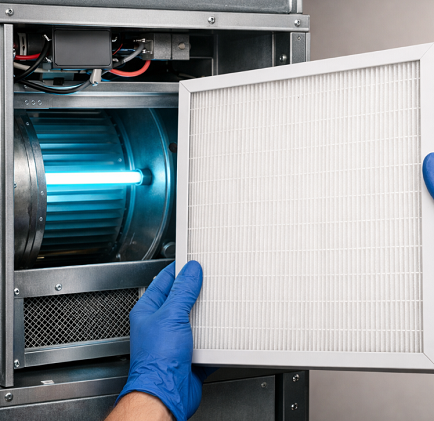
Upgrade #1: High-Efficiency Particulate Air (HEPA) Filtration
Standard filters are like trying to catch mosquitoes with a chain-link fence. They’ll grab the obvious stuff, but the tiny particles that trigger your allergies? Those sail right through. HEPA filters, on the other hand, capture 99.97% of particles as small as 0.3 microns. That includes pollen, pet dander, mold spores, and even some bacteria.
Installing a HEPA filter system requires professional assessment since not all HVAC systems can handle the increased airflow resistance. But for families dealing with severe allergies or asthma, this upgrade is like switching from regular glasses to prescription lenses. Suddenly, everything becomes clearer, or in this case, cleaner.
The Maintenance Reality
Here’s the catch: HEPA filters need regular replacement to work effectively. A clogged filter is worse than no filter at all because it forces your system to work harder, potentially leading to breakdowns during peak allergy season when you need it most.
Upgrade #2: UV Light Air Purification
This sounds like something from a science fiction movie, but UV lights installed in your ductwork actually kill airborne pathogens and prevent mold growth. Think of it as a security checkpoint that neutralizes threats before they circulate through your home.
UV purification works silently in the background, eliminating biological contaminants that traditional filters can’t touch. For homes in humid areas or properties that have dealt with mold issues, this upgrade provides an extra layer of defense that keeps working 24/7.
Upgrade #3: Whole-Home Humidification and Dehumidification
GTA weather is moodier than a teenager, swinging from dry winter air to humid summer conditions. Both extremes aggravate allergies and respiratory issues. A whole-home humidity control system maintains that Goldilocks zone between 30-50% relative humidity where allergens, dust mites, and mold struggle to thrive.
Proper humidity levels also reduce static electricity, prevent dry skin, and protect wooden furniture and flooring. It’s one of those upgrades that improves quality of life in ways you didn’t even realize were problems until they’re solved.
Upgrade #4: Smart Thermostat with Air Quality Monitoring
Modern smart thermostats do more than adjust temperature. Advanced models monitor indoor air quality in real-time and automatically increase ventilation or filtration when pollution levels rise. They’re like having a vigilant guardian constantly checking the air you breathe.
These systems can alert you when filters need changing, when outdoor air quality is poor (so you know to keep windows closed), and even coordinate with your air purification systems for optimal performance. The data they collect helps you understand patterns and make informed decisions about your home environment.
Upgrade #5: Energy Recovery Ventilator (ERV)
Here’s the dilemma: you want fresh outdoor air, but you don’t want to lose all your heating or cooling in the process. ERVs solve this by exchanging stale indoor air with fresh outdoor air while transferring heat and moisture between the two streams. You get ventilation without the energy penalty.
For allergy sufferers, this means constant fresh air circulation that dilutes indoor allergen concentrations without opening windows and inviting pollen inside. It’s particularly valuable during high pollen count days when you’re basically under house arrest if you want to breathe comfortably.
Making Smart Investment Decisions
Not every home needs every upgrade. Start by identifying your biggest air quality challenges. Pollen allergies? Focus on filtration and ERVs. Humidity issues? Prioritize dehumidification. Respiratory sensitivities? UV purification might top your list.
Schedule a comprehensive system evaluation before allergy season hits. Technicians can test your current air quality, assess your system’s capacity for upgrades, and create a prioritized plan that fits your budget. Spreading improvements over time makes financial sense while still providing progressive relief.
The goal isn’t perfection but rather creating an indoor environment where allergies become manageable instead of debilitating. Your home should be your refuge, not another source of misery during pollen season.