Clean spaces do more than look nice. They protect surfaces, preserve equipment, and make people feel safe and welcome.
But getting from tidy to truly clean takes more than a sweep and a spray. It takes eyes trained to notice small things that add up to big results.
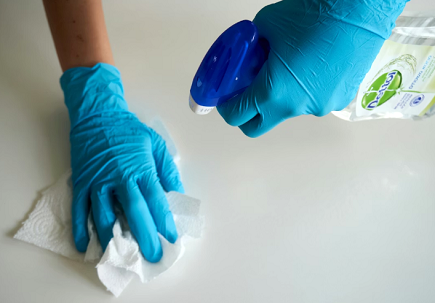
Small Details, Big Impact
Dust on baseboards and vents looks minor, yet it tells a story about air quality and routine care. Smudges on switch plates and door handles suggest high-contact zones that need extra attention. When these details are handled, the whole space reads as cared for.
Tiny fixes also prevent larger issues. A damp spot under a sink can become mold, and a loose tile can become a trip hazard. Catching these early saves money and keeps people safe.
Detail work builds trust. Tenants and visitors notice clean corners, straight lines, and clear signage. These signals say the property is watched, respected, and healthy.
Laundry Habits That Protect Your Property
Laundry touches linens, towels, mop heads, and microfiber cloths that clean your whole building. If these items are not truly clean, you end up spreading residue and germs. Choosing the right detergent and wash settings matters, and you can compare the best deals on laundry products to match performance with budget. Rotate loads by type so lint and dyes do not transfer between loads.
Heat and chemistry need balance. Too much heat can shrink fibers and weaken elastic, while too little heat may leave soils in place. Follow care tags and use measured doses to avoid buildup.
Storage also protects textiles. Keep clean items sealed or covered, and let mop heads dry fully before shelving. Airflow and separation prevent odor and mildew.
High-Traffic Zones Need Extra Eyes
Lobbies, elevators, restrooms, and entries collect dirt at high speed. These areas deserve more frequent touch-ups and spot checks. Small boosts in frequency keep the rest of the building cleaner, too.
Think like a visitor. What is at eye level, hip level, and floor level as people move through a space?
Fingerprints, scuffs, and soil lines tell you where to focus. A 5-minute loop on door glass, handles, and elevator buttons pays off all day.
Checklists That Catch What Eyes Miss
Good checklists work like a safety net. They turn vague standards into visible steps that anyone can follow. Each box represents a risk removed or a quality step completed.
Daily: touchpoints, entry glass, trash, floors, restrooms
Weekly: vents, baseboards, appliance exteriors, grout lines
Monthly: high dusting, behind equipment, drain checks, caulk review
Supplies, Storage, And Labeling
Cleanliness improves when supplies are easy to find and hard to misuse. Label shelves, color-code clothes, and store chemicals low and locked. Clear access and simple signals cut mistakes.
Inventory control keeps budgets in line. Track what is used, what expires, and what goes missing. A quick bin count each week prevents rush buys and stockouts.
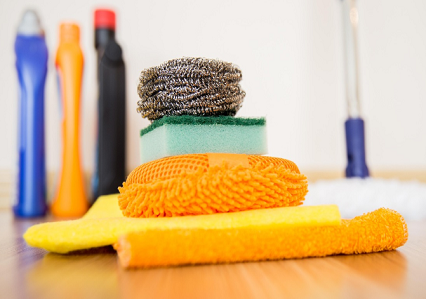
Right tool, right job. Microfiber for glass and mirrors, stiff brushes for grout, gentle pads for finishes. Matching tools to surfaces protects the property while speeding up work.
Color-code cloths: glass, counters, restrooms, disinfecting
Separate mop buckets: restrooms vs. general areas
Store pads and brushes by surface type and grit
Training People To Notice More
Attention is a skill you can teach. Walk the staff through the spaces and ask them to call out what they see. Then teach them what they should see but might miss, like shadowed corners and hardware undersides.
Short, frequent training sticks better than long seminars. One topic per week keeps focus high. A 10-minute huddle can cover a single surface or tool.
Feedback fuels growth. Celebrate catches that prevent damage, like spotting a slow leak or a frayed cord. Positive reinforcement builds a culture of care.
Data, Inspections, And Feedback Loops
Measure what matters. Simple scores for appearance, safety, and readiness give you a dashboard of property health. Trends show where to invest time and supplies.
Inspections are more helpful when they are predictable and fair. Share standards, use the same checklist each time, and give quick notes on fixes. Fast feedback leads to fast improvements.
Close the loop with tenants and staff. A small QR code in common areas can collect comments without fuss. These notes point to blind spots that internal checks might miss.
Sustainability And Long-Term Care
Green choices can raise quality while lowering costs. Concentrated products reduce storage needs and packaging waste. Reusable pads and measured dosing cut down on trash and residue.
Water and energy matter. Cold-wash cycles with modern detergents can clean well and protect textiles. Low-moisture floor care reduces dry times and slip risks.
Sustainable habits protect finishes. Harsh scrubbing and strong chemicals may look effective, but they can shorten the life of floors, paint, and fabric. Gentle, frequent care lasts longer.
Preventive Maintenance Meets Cleanliness
Clean environments make it easier to spot maintenance issues. A tidy mechanical room exposes leaks, rust, and heat damage faster. Clear floors and labeled valves speed up repairs.
Pair cleaning routes with quick maintenance checks. Feel for vibration, listen for odd noises, and look for stains near seals and joints. These senses catch trouble early.
Record small fixes. Tightening a hinge or replacing a drip tray today prevents a bigger repair tomorrow. This habit reduces downtime and labor.
Communicating Standards To Everyone
Cleanliness is a team sport. Tenants, visitors, and vendors need to know the rules. Gentle reminders and simple signs guide behavior without nagging.
Set expectations at move-in and onboarding. Share how to handle spills, where to place waste, and who to contact for issues. Clear routes make cooperation easy.
Follow up with gratitude. Thank people when they help keep the space clean. Appreciation encourages more of the same behavior.
Attention to detail lifts the whole property. People feel safer, operations run smoother, and assets last longer. Small habits create visible results that build trust.
Costs also become more predictable. When cleaning and maintenance work together, emergencies drop and schedules stabilize. That steady rhythm supports budgets and peace of mind.