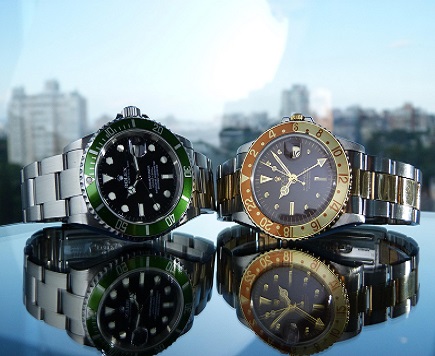
 Most watches are bought with the present in mind. They look good, feel right on the wrist, and suit a current phase of life. But a small number of timepieces follow a very different path. They’re worn for years, maintained carefully, and eventually passed on. Not because they’re old, but because they’re still relevant.
What separates these watches from the rest isn’t hype or price alone. It’s a combination of design restraint, mechanical integrity, and long-term thinking that rewards patience rather than impulse. Understanding these factors helps explain why some watches remain meaningful for decades while others quietly fall out of rotation.
Longevity Starts With Design That Doesn’t Chase Trends
Trends date quickly. Colours, case sizes, dial layouts, and materials that feel exciting in one decade can look out of place in the next. Timepieces that last tend to avoid extremes.
Designs with clean proportions, balanced dials, and understated details age more gracefully. They don’t demand attention, but they hold it. This is why many collectors are drawn to brands with a long history of visual consistency, including names like Patek Philippe, where restraint is treated as a feature rather than a limitation.
When a watch doesn’t announce itself as being from a specific era, it stays wearable far longer.
Mechanical Quality Matters More Than Most People Realise
A watch that lasts decades must be serviceable for decades. Mechanical integrity plays a huge role here.
High-quality movements are designed to be maintained, not replaced. Parts are made to precise tolerances, and the movement architecture allows for cleaning, adjustment, and repair over many years. This serviceability is often overlooked by casual buyers but becomes critical over time.
Watches built this way don’t just survive wear — they improve with proper care.
Emotional Value Grows With Use, Not Storage
Some watches gain meaning because of where they go and what they witness. They’re worn during milestones, routines, and everyday moments. Over time, that association becomes part of the object itself.
This emotional layering is hard to replicate with watches that are treated as disposable or seasonal accessories. A watch that stays on the wrist through different stages of life naturally becomes harder to replace.
Longevity isn’t just physical. It’s personal.
Rarity Alone Isn’t Enough
Scarcity can make a watch desirable, but it doesn’t guarantee long-term relevance. Some limited releases spike in interest and then fade once novelty wears off.
Watches that endure usually combine sensible production numbers with ongoing support. They’re rare enough to feel special, but common enough to be recognised, serviced, and understood decades later.
This balance helps a watch remain usable rather than becoming an untouchable artefact.
Build Quality Shows Up Over Time
You don’t fully understand build quality in the first year of ownership. It reveals itself slowly.
Case finishing that resists wear, crowns that operate smoothly after years of use, bracelets that don’t loosen prematurely — these details compound. Over time, a well-built watch feels familiar rather than fragile.
Poorly made watches often look fine initially but degrade in ways that are difficult or expensive to fix. That degradation quietly pushes them out of regular use.
Heritage Provides Context and Confidence
Brands with long histories tend to think in longer timeframes. Decisions are made with future servicing, resale, and reputation in mind.
This doesn’t mean newer brands can’t produce excellent watches, but heritage brands often have established standards that reduce risk for long-term owners. Their designs, movements, and materials are informed by decades of feedback rather than short product cycles.
That continuity creates confidence that a watch bought today won’t feel obsolete tomorrow.
Wearability Is More Important Than Statement
Watches that last are usually easy to wear. Comfortable proportions, practical water resistance, and versatile styling make a watch suitable for many situations.
A watch that only works with certain outfits or occasions is worn less often. Less wear means less connection, and less connection makes replacement easier.
The watches people keep tend to be the ones they reach for without thinking.
Maintenance Is Part of Ownership, Not a Flaw
Long-term watch ownership requires acceptance of maintenance. Servicing isn’t a downside — it’s what allows mechanical watches to outlive their original owners.
Timepieces designed with servicing in mind acknowledge this reality. Parts availability, technical documentation, and skilled watchmakers all play a role.
When owners see maintenance as part of the relationship rather than an inconvenience, watches stay in rotation far longer.
Value Is Preserved Through Consistency
Watches that hold value over decades usually do so because the brand resists dramatic shifts. Sudden design overhauls or aggressive repositioning can make older models feel disconnected from the present.
Consistency reassures owners that what they bought still belongs. That sense of continuity supports both emotional and financial value.
It’s not about appreciation alone — it’s about relevance.
Why Some Watches Become Part of a Family Story
A watch worth keeping isn’t just measured in hours and minutes. It becomes a marker of time in a broader sense — who wore it, when, and why.
These watches are chosen carefully, worn often, and respected enough to be maintained. They don’t shout for attention, but they endure.
In the end, the timepieces that last decades aren’t chasing the moment. They’re built for the long view, quietly earning their place with every year they stay on the wrist.