Property damage can be overwhelming financially and emotionally. From minor wear and tear to catastrophic events, understanding the types of damage that can affect a home or business property is crucial. Awareness helps property owners take preventive measures, plan for repairs, and handle insurance claims more effectively.
Property damage can stem from natural events, human error, or mechanical failures, and recognizing the signs early can reduce long-term consequences. This guide explores the most common types of property damage, offering insights into how they occur and what can be done to address them.
Water Damage
Water damage is one of the most frequent and costly problems property owners face. It can occur gradually, like a slow leak behind a wall, or suddenly through flooding or burst pipes. Moisture weakens structural materials, promotes mold growth, and can ruin flooring, furniture, and electrical systems.
Identifying water damage early is critical, as hidden leaks often go unnoticed until significant problems develop. Effective prevention includes regular inspection of plumbing systems, roof maintenance, and proper drainage around the property. When water damage occurs, professional restoration services can help dry affected areas, remove contaminated materials, and restore the property safely.
Fire and Smoke Damage
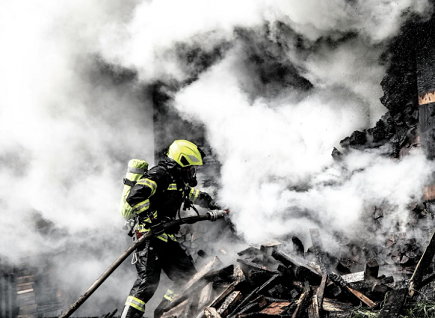
Fire and smoke damage can affect a property in ways that are not always immediately visible, leaving behind weakened structures, lingering odors, and soot-stained surfaces. Addressing these issues effectively often requires hiring professionals who specialize in fire damage cleanup and mitigation, as they have the right tools and expertise to restore affected areas safely. Attempting repairs without professional help can lead to incomplete restoration or further damage.
Experts assess structural safety, remove debris, clean smoke residues, and implement measures to prevent ongoing damage. Timely intervention reduces long-term repair costs and helps ensure the property is safe for occupancy, protecting the building and its inhabitants.
Structural Damage
Structural damage refers to any compromise to the building’s foundation, walls, or load-bearing elements. This type of damage can result from natural disasters, soil movement, or long-term wear and tear. Cracks in foundations, leaning walls, or uneven flooring often indicate serious problems that require immediate attention.
Structural issues can jeopardize the safety of occupants and increase repair costs if left untreated. Preventive measures include routine inspections by qualified engineers, monitoring for signs of shifting or settling, and addressing drainage issues around the foundation. Early intervention is critical to maintaining the integrity and safety of the property.
Storm and Wind Damage
Storms, high winds, hail, and other severe weather events can lead to extensive property damage. Roofs can be torn, windows broken, and siding or fencing destroyed. Trees and debris can fall onto structures, causing further destruction. The unpredictable nature of storms makes it challenging to prepare fully, but routine maintenance and property inspections can reduce potential risks.
Reinforcing roofs, trimming overhanging branches, and securing loose outdoor items can limit storm damage. Insurance coverage often plays a crucial role in covering repair costs after storm-related incidents, ensuring property owners can restore their homes or businesses without excessive financial strain.
Pest Damage
Pests such as termites, rodents, and insects can quietly destroy property. Termites, for example, feed on wooden structures, compromising the strength of beams, flooring, and furniture. Rodents can chew through wiring, insulation, and ductwork, creating fire hazards and expensive repair needs.
Pest infestations often start unnoticed but can escalate quickly, leading to significant damage if not addressed. Regular inspections, proper sealing of entry points, and maintaining cleanliness are key strategies to prevent infestations. Once damage occurs, professional pest control and repair services are necessary to eliminate the threat and restore the property’s condition.
Mold and Mildew
Mold and mildew develop in areas where moisture persists, such as basements, bathrooms, and poorly ventilated spaces. These fungi damage surfaces and pose health risks for individuals with allergies or respiratory issues. Mold growth can discolor walls, weaken building materials, and lead to musty odors that are difficult to remove.
Controlling indoor humidity, repairing leaks promptly, and ensuring proper ventilation are effective ways to prevent mold. Professional remediation is often required for significant infestations to remove affected materials, clean surfaces, and prevent future growth.
Electrical and Mechanical Damage
Electrical and mechanical systems are crucial to a building’s operation, but malfunctions or failures can lead to significant damage. Faulty wiring, overloaded circuits, or aging appliances can trigger fires or short circuits, creating safety hazards and property damage. Mechanical systems such as HVAC units or water heaters may leak, overheat, or fail, causing water or fire damage.
Regular inspections and maintenance of electrical and mechanical components help prevent accidents and extend the lifespan of these systems. Professional technicians can diagnose and repair issues efficiently, reducing the risk of unexpected failures and ensuring the property remains safe and functional.
Accidental and Human-Caused Damage
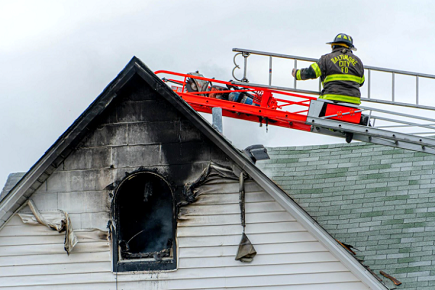
Property damage is not always caused by natural events or system failures, as human actions can be responsible as well. Accidental damage, such as dropping heavy objects, vehicle collisions with structures, or improper use of tools and equipment, can cause broken windows, dents, or structural weakening. Intentional damage, including vandalism or theft-related destruction, adds another layer of risk.
Monitoring the property, installing security measures, and educating occupants about safe practices are ways to reduce human-caused damage. When incidents occur, documenting the damage and contacting professionals for repair ensures that it is corrected effectively while minimizing further loss or safety hazards.
Environmental and Chemical Damage
Exposure to environmental factors or chemicals can gradually deteriorate property materials. Prolonged sun exposure, humidity, pollution, and corrosive substances can affect paint, metal, and wooden surfaces. Improper storage of chemicals or accidental spills can cause stains, corrosion, or structural weakening.
Identifying areas prone to environmental stress and using protective coatings, ventilation, or safe storage practices helps mitigate long-term damage. Professionals specializing in environmental and chemical restoration can evaluate the affected areas, remove harmful substances safely, and repair damage without compromising structural integrity. Early intervention ensures the property remains durable and safe.
Property damage can arise from a variety of sources, each presenting unique challenges. Awareness of water, fire, storm, structural, pest, and mold damage helps property owners take preventive measures, respond appropriately when issues arise, and maintain the safety and value of their homes or businesses. Understanding these common types of property damage ensures that property owners are better equipped to protect their investments and address problems before they escalate.