Anxious dogs show their stress in many ways. Some pace when you leave the room, bark at every sound, or hide during storms. Others lick paws, chew furniture, or cling to one person in the household. These behaviours signal discomfort, not stubbornness or spite.
You can ease that tension with a mix of environmental changes, training, and daily habits. With patience and consistency, most dogs learn to feel safer and more relaxed at home and in the wider world.
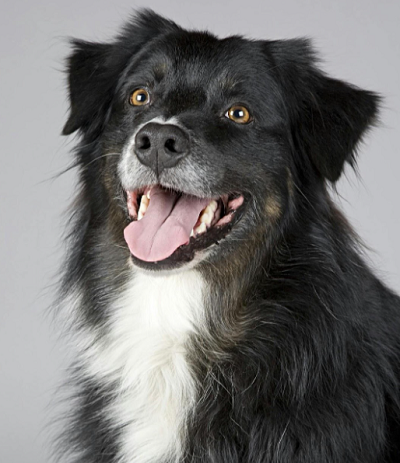
Understand Common Triggers For Canine Anxiety
The first step involves figuring out what unsettles your dog. Loud noises, strangers, car rides, vet visits, and time alone rank among frequent triggers. Some dogs react most strongly to one specific situation, while others feel nervous in several contexts.
Watch closely when your dog shows signs such as tucked tail, pinned ears, shaking, yawning, or lip licking. Note what just happened and where you are. Keeping a simple log helps you spot patterns, which gives you clearer starting points for change.
Create A Safe, Comfortable Rest Area
Dogs need one space that always feels secure. This can be a crate, a quiet corner, or a small room where family members rarely rush around.
Soft lighting, familiar smells, and steady temperatures help this area feel like a den rather than a timeout spot. Some owners upgrade sleeping spaces with super-sized luxury dog beds that support joints and create a nest-like feeling for nervous pets. Extra padding reduces pressure points, while raised edges give dogs a place to lean or hide their nose when they want more security.
A favorite blanket or worn T-shirt with your scent adds another layer of comfort.
Use Predictable Routines To Build Security
Dogs thrive when they know what comes next. Unpredictable schedules often intensify anxiety around meals, walks, and alone time. A basic daily rhythm reassures your dog that key needs will be met.
Aim for walks, feeding, and play sessions at roughly the same times each day. Announce transitions with consistent cues, such as a phrase before you leave or a sound that signals bedtime. Over repeated days, these cues help your dog anticipate events without panic.
If you work irregular hours, create mini-routines that stay stable no matter the clock. That might include a short training session when you wake, a sniff walk before you leave the house, and a gentle grooming routine before sleep. The pattern matters more than exact timing.
Support Calm Through Exercise And Play
Physical activity acts as a natural release valve for nervous energy. Under-exercised dogs often feel restless, which can spill into anxious behaviours such as barking, chewing, or pacing. Matching exercise to your dog’s age and health makes a clear difference.
Daily walks that allow time for sniffing help dogs process scents and information, which tires the brain in a healthy way. Fetch, tug, or gentle agility games give high-energy dogs an outlet, while slower dogs may prefer relaxed strolls and short puzzle sessions.
Mental enrichment counts too. Food puzzles, scatter feeding, and simple scent games teach your dog to focus and problem solve. That kind of engagement builds confidence and gives them something productive to do instead of worrying about every sound or movement.
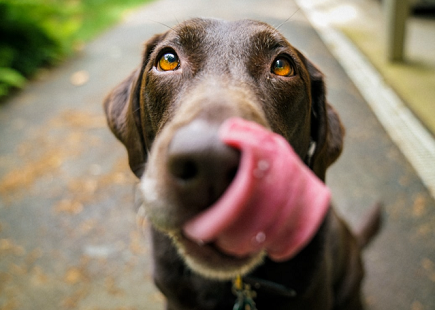
Train Coping Skills With Gentle Techniques
Training does more than teach tricks. It gives anxious dogs tools to handle scary situations. Skills such as “sit,” “stay,” “place,” and “touch” redirect focus and create structure when your dog feels unsure.
Desensitisation and counterconditioning help with specific fears. You start with a very mild version of the trigger, pair it with treats or play, and slowly increase intensity as your dog stays comfortable. With patience, fireworks recordings, car rides, or doorbells can shift from frightening signals to cues that predict something good.
Pressure-free training works best. Use rewards instead of harsh corrections, keep sessions short, and stop while your dog still feels engaged. Each positive experience adds to a mental library of “I can handle this,” which gradually reduces anxiety.
Work With Professionals When You Need Extra Help
Some dogs carry deep fears that do not shift with home strategies alone. In those cases, outside support speeds progress and keeps both dog and family safer. You do not need to wait for a crisis before seeking help.
A vet can check for pain, hormonal imbalances, or neurological issues that contribute to anxiety. They may suggest medication or supplements for severe cases when fear interferes with eating, sleeping, or basic functioning. Medical support often creates enough stability for training to work better.
Reducing anxiety in dogs rarely depends on one single change. It grows from a mix of safe spaces, predictable routines, exercise, thoughtful training, and professional help when needed. Each small adjustment teaches your dog that the world feels more manageable than it once did.
With time and steady patience, many anxious dogs learn to rest more easily, cope better with triggers, and enjoy daily life alongside their families. Your commitment becomes the bridge between constant worry and a calmer, happier companion.