Socioeconomic status shapes nearly every aspect of daily living, from access to stable shelter to the ability to plan for future needs. When income, education, and security fall below certain thresholds, the risk of losing housing grows. The connection between these factors and the likelihood of entering unstable living situations has become a central topic in research, advocacy, and community planning.
This article explores how economic conditions, social barriers, and local systems interact, placing some groups at higher risk of housing loss. Each section approaches the topic from a different angle, building a fuller picture of the forces that influence who remains housed and who struggles to stay in place.

Homelessness vs. Houselessness
The conversation around unstable living situations often includes two terms that may seem interchangeable yet point to different experiences.
Homelessness describes the absence of a stable shelter but also touches on the loss of social connections, familiar routines, and community ties. Houselessness focuses more on the physical absence of a permanent structure.
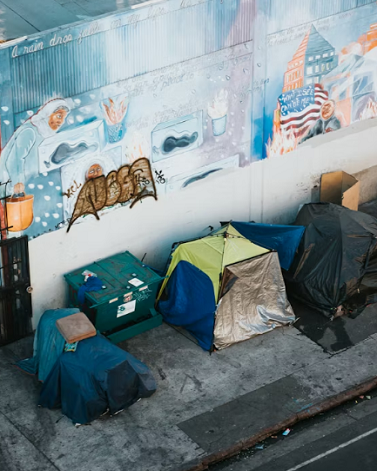
A person may lack a permanent dwelling but still hold strong personal networks, cultural roots, or support systems. Research on facts about homelessness often blends these experiences, creating an impression that they represent identical conditions, though a closer look shows subtle differences. Many advocates use these terms with care, acknowledging that losing a home can be far more than losing a roof.
This distinction matters when examining socioeconomic status, since limited resources can push people toward one or both experiences, each with its own emotional and logistical challenges.
Economic Pressures That Raise the Risk of Housing Loss
Income levels play a central role in determining who can maintain secure housing. As rent and basic expenses rise faster than wages, households with limited means face difficult choices each month. When nearly all income goes toward shelter, even a small disruption can make housing unstable. An unexpected medical bill, car trouble, or reduction in work hours can create a gap too large to bridge.
Many communities report that large numbers of residents spend more than half of their income on shelter. High rent burdens leave little room for savings or investment in emergencies. Lower-income households that lack financial cushions often reach a tipping point faster than others.
Another pressure comes from the growing divide between high-earning and low-earning groups. As wealth concentrates across fewer households, competition for housing intensifies. Those with fewer financial resources struggle to compete for rental units, often ending up in overcrowded conditions. These living situations tend to be fragile, making displacement more likely.
Rural areas present a different set of pressures. Limited rental stock, long travel distances for work, and fewer social services combine to create unique vulnerabilities. Even though these environments may appear more stable, residents with low incomes often find fewer paths back to security once housing loss occurs.
Social Barriers Linked to Socioeconomic Status
Economic hardship interacts with social barriers that restrict access to secure shelter. Discrimination in rental markets affects people with lower incomes, disabled individuals, older residents, and marginalized racial groups. Landlords may require extensive documentation, strong credit histories, and high deposits. Those who cannot meet these requirements face exclusion from many safe housing options.
Education level plays a role as well. People with limited formal education tend to have fewer employment opportunities, leading to inconsistent wages. Instability in work often spills into instability in housing. The stress from managing unpredictable income can accumulate, leading to decisions made under pressure.
Health challenges create another barrier. Chronic illness or physical limitations may reduce a person’s ability to work.
Structural Factors Behind Housing Instability
Many conditions that influence housing outcomes trace back to large-scale systems. Zoning policies shape the amount and type of housing available. Communities with restrictive zoning often limit the construction of affordable units. The result is a market that favors high-income residents and leaves those with limited incomes searching for scarce options.
Historic practices such as redlining created effects that still influence neighborhoods today. Areas that were once denied investment remain more vulnerable to housing instability. Residents in these neighborhoods often face fewer job opportunities, limited access to transportation, and an aging housing stock.
Public transportation affects stability as well. Residents who rely on transit must find housing near bus lines or train routes. If rents rise in these areas, low-income households may be forced to move farther away from work opportunities. Without reliable transportation, maintaining employment becomes challenging, increasing the risk of housing loss.
Social and Emotional Impacts of Housing Loss
Housing loss reshapes daily living far beyond the physical act of moving or leaving a dwelling. The following points capture some of the most common effects:
* Loss of personal routines often reduces a sense of stability and security
* Difficulty maintaining employment rises when housing becomes unpredictable
* Family relationships face strain when living arrangements must change quickly
* Children experience disruptions in education when moves become frequent
* Access to healthcare becomes harder when individuals lack a fixed address
* Mental stress increases as uncertainty becomes a constant part of daily life
* Community connections weaken when frequent moves interrupt social ties
* A sense of identity may shift when familiar spaces and belongings are lost
Paths Toward Stability and Prevention
Communities searching for effective responses to housing instability often turn toward strategies that strengthen financial security and reduce barriers. Raising local wages, expanding rental support, and limiting sudden rent increases can provide immediate relief. Programs that help renters negotiate with landlords or access legal representation during disputes reduce the likelihood of eviction.
Investment in mental health services, healthcare access, and substance use treatment also helps individuals avoid the unstable periods that can lead to housing loss. When people receive support early in a crisis, the transition into unstable living situations becomes less likely.
Socioeconomic status plays a major role in shaping housing outcomes. The forces that push people toward homelessness or houselessness extend far beyond individual choices. Through a blend of financial support, policy change, community investment, and coordinated services, many households can maintain the stability needed to build stronger futures.