 The decision to remove a tattoo is a significant one, driven by personal, professional, or aesthetic motivations. In Perth, the availability of advanced removal technologies offers greater promise than ever before for clearing unwanted ink. However, the process is neither instant nor simple. Prospective clients must approach it with realistic expectations, a solid understanding of the science involved, and careful selection of a qualified provider. Proper preparation is essential for achieving optimal results and ensuring a safe and practical experience.
This guide outlines essential considerations for your first tattoo removal session in Perth.
Understanding the Science: How Laser Tattoo Removal Works
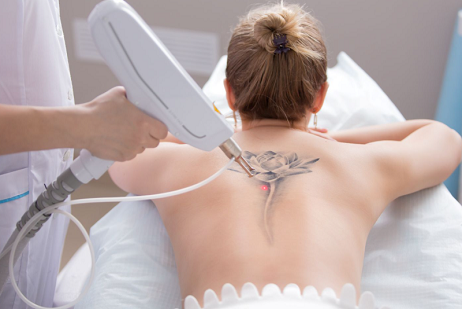
Contrary to popular belief, lasers don’t simply “ease” tattoo ink. Instead, they can utilize the principle of selective photo thermolysis. The device emits concentrated beams of light at specific wavelengths that pass harmlessly through the top layers of skin, targeting the pigment of particles embedded in the dermis. The energy from the laser is absorbed by these particles, causing them to break down into microscopic fragments.
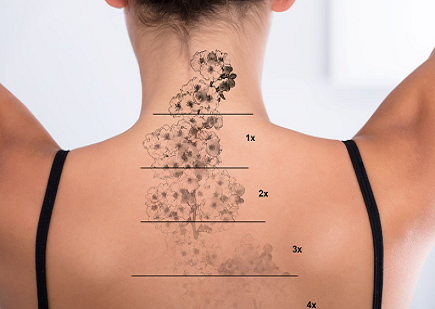
Over subsequent weeks, the body’s immune system, specifically its macrophages, gradually flushes away these smaller fragments. This process explains why multiple sessions, typically spaced six to eight weeks apart, are necessary as the body requires time to clear up the debris between treatments. The effectiveness of this process also depends on numerous factors, including the ink’s color, depth, and age, as well as the patient’s skin type and overall health.
However, if you’re looking for advanced removal technologies in Perth like the tattoo removal services by Luxe Medical or similar providers in the area, you can check out reputable online resources or consult professionals.
Critical Pre-Session Considerations
Before booking an appointment, several key factors must be evaluated to gauge the potential success and timeline of removal. These include:
Professional Consultation is Non-Negotiable
A thorough, in-person consultation with a qualified practitioner is the indispensable first step. This meeting should involve a discussion of medical history, a skin assessment, and an evaluation of the tattoo itself. The provider will outline a realistic treatment plan, including an estimated number of sessions and projected costs. This is the time to ask questions about the practitioner’s credentials, the specific laser technology used, and view before-and-after photos of their previous work.
Factors Influencing Removal Difficulty
Not all tattoos are created equal. Black and dark blue inks absorb laser light most effectively and are generally the easiest to remove. Bright colors, such as green, yellow, and fluorescent hues, present a greater challenge and may require a laser with specific wavelengths. Other complicating factors include the distinction between professional and amateur tattoos, the tattoo’s location, and scarring or raised tissue within the tattoo.
Skin Type and Overall, Health
Individuals with lighter skin tones and darker ink typically experience the most straightforward removal, as the contrast allows the laser to target pigment without affecting melanin in the surrounding skin. Advanced lasers have made treatment safer for a broader range of skin types, but the risk of hypopigmentation (lightening) or hyperpigmentation (darkening) must be discussed. Your lifestyle can also play a role. For instance, smoking can impede your body’s natural healing response, slowing down the clearance of ink fragments.
The Treatment Protocol: What to Expect During and After
A standard removal session is relatively brief, often lasting only a few minutes for a small tattoo. The sensation is frequently described as similar to the snap of a rubber band against the skin or the sensation of hot grease spatter. Many clinics offer topical anesthetics or cooling devices to manage discomfort. Immediately following the laser pulse, the treated area may appear to whiten (frosting) and become mildly swollen and red, a normal reaction that typically subsides within hours.
Post-treatment care is arguably as important as the laser session itself. Practitioners will provide specific instructions, which typically include keeping the area clean, applying recommended ointments, and rigorously protecting it from sun exposure. Blistering and crusting are common in the days following treatment and must be allowed to heal naturally without picking. Strenuous exercise should also be avoided for 24-48 hours to reduce inflammation. Adhering strictly to aftercare protocols can help minimize the risk of infection and scarring, promoting better long-term results.
Setting Realistic Expectations and Choosing a Provider
One of the most common mistakes is expecting complete removal after one or two sessions. Full clearance often requires six to twelve sessions or more, spaced over a period of one year or longer. Fading a cover-up tattoo typically requires fewer treatments. The “test patch” during the consultation can provide insight into how the skin and ink react.
When selecting a clinic in Perth, priority should be given to qualified medical professionals or highly trained technicians operating under medical supervision. Verify the types of lasers used. For example, Q-switched and Picosecond lasers represent the current gold standard, offering versatility and effectiveness. While cost is a factor, choosing a provider based solely on the lowest price can lead to substandard results, increased risk of side effects, and ultimately, higher expenses due to corrective needs.
Investing time in research and selecting an experienced, reputable clinic can ensure the journey to tattoo removal is conducted safely, effectively, and with the highest potential for a successful outcome.
Conclusion
Embarking on a tattoo removal journey is a commitment to a carefully managed process, not a quick fix. By keeping the information mentioned above in mind, you can significantly improve your outcomes. The decision requires patience, realistic expectations, and an investment in professional expertise to navigate the path toward clear skin safely and effectively.