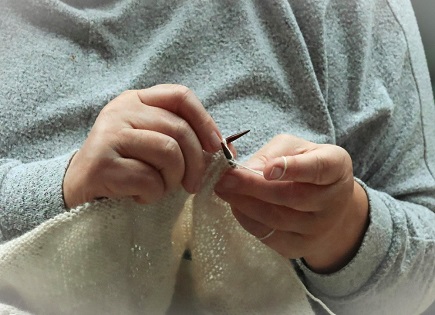
 Knitting, often associated with cozy winter evenings and handmade gifts, is a craft that many find intimidating—especially if you’ve never picked up a pair of needles before. Yet, its allure is undeniable, offering not just a creative outlet but also a sense of calm and satisfaction as you create something tangible. So, how do you get started from scratch? With just a little guidance, anyone can learn to knit at home, regardless of age or experience.
Gathering Your Supplies
Before you dive into the world of knitting, it’s essential to gather the right tools. At the very least, you’ll need knitting needles and yarn. For beginners, it’s generally recommended to start with medium-weight yarn (often labelled as DK or worsted weight) and a pair of straight needles, possibly size 4mm to 6mm, depending on your yarn choice.
If the thought of buying materials feels overwhelming, there are beginner-friendly DIY knitting packs available that include everything you need to kick off your knitting journey in one convenient bundle. These kits often come with clear instructions, which can be a boon for a novice.
Once you have your materials, you’re already one step closer to knitting your first project!
Understanding Basic Techniques
Knitting Stitches 101
The foundational stitches in knitting are the knit stitch and the purl stitch. Mastering these two will allow you to create a variety of patterns and fabrics.
1 The Knit Stitch: This is often the first stitch beginners learn. To create it, hold the needle with the cast-on stitches in your left hand and insert the right needle into the front of the first stitch on the left needle, wrapping the working yarn around the right needle before pulling it through to create a new stitch.
2 The Purl Stitch: Some might find this stitch a bit trickier at first. To purl, you essentially reverse the knit motion: bring the yarn to the front of your project before you insert the needle, wrap it around, and pull it through.
Once you become comfortable with these stitches, practicing them in combination will expand your knitting repertoire dramatically.
Finding Resources
Helpful Tutorials
The internet is a treasure trove of resources when it comes to learning how to knit. YouTube is filled with video tutorials for every skill level, allowing you to visually see the steps involved. Blogs and online courses are also fantastic options—you can learn at your own pace, revisiting complex techniques as needed.
A particular favourite among beginners is the “Beginner’s Guide to Knitting” series, which breaks down everything from casting on to binding off in short, digestible segments.
Joining a Community
Learning to knit can feel isolating at times, but it doesn’t have to be. Consider joining a knitting group or community, whether online or locally. Websites like Ravelry offer forums to interact with fellow knitters, share projects, and seek advice. You can also find local craft shops that might offer knitting classes or groups where you can meet others passionate about the craft.
Choosing Your First Project
Selecting a Simple Pattern
When you’re ready to tackle your first project, opt for something simple. A scarf, dishcloth, or even a basic beanie are excellent choices for newcomers. As you become more comfortable, you can gradually challenge yourself with more complex patterns.
Tip: Look for patterns that specify they are designed for beginners. This will often mean they use basic stitches and straightforward instructions.
Overcoming Common Mistakes
It’s normal to make mistakes when starting; understanding that perfection isn’t the goal will help alleviate some of the frustration. If you find a mistake, don’t panic. Most errors can be corrected, whether by carefully unraveling stitches or simply embracing the unique character of your project.
Setting Up Your Knitting Space
Creating a Comfortable Environment
Your knitting environment can significantly affect your experience. Find a quiet spot where you can set up your materials, whether it’s a dedicated corner in your home or simply a comfy chair. Good lighting is essential, and consider bringing in a few cushions for added comfort. And don’t forget your favourite drink—having a cup of tea or coffee nearby can make the whole process feel more enjoyable.
Practicing Patience
One of the best lessons you’ll learn from knitting is patience. Crafting something from scratch takes time, and the more you practice, the more skilled you will become.
Enjoying the Journey
While it’s easy to get caught up in the end goal of completing a project, it’s crucial to enjoy the journey. Take time to appreciate the rhythm of your knitting and the meditative qualities it can offer. Celebrate each milestone, whether it’s mastering a new stitch or finishing your first project.
Expanding Your Skills
Next Steps
Once you’ve completed a few beginner projects, think about exploring different techniques like fair isle knitting or cables. These new challenges can keep the craft fresh and exciting. Patterns that require advanced skills often come with their own instructional videos, which guide you through the intricacies.
As you develop your skills, you’ll find that knitting not only becomes easier, but it can also be a deeply rewarding form of self-expression.
In conclusion, knitting is a fulfilling craft that anyone can take up at home. With the right materials, a supportive community, and a spirit of adventure, you’ll be creating beautiful projects in no time. Whether you’re knitting for yourself, crafting gifts for loved ones, or simply discovering a new hobby, you’ll find joy in every stitch you create. So, grab those needles, choose your first project, and let the journey begin!