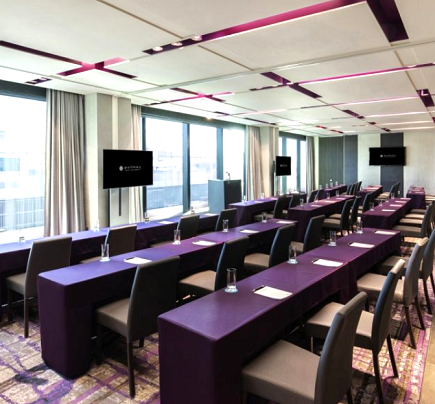
 The accessibility of your chosen venue is, honestly, the most crucial part of getting good attendance. Making it simple to get there immediately cuts down on the hassle for every delegate, no matter how they travel or how far away they are. If a spot is hard or expensive to reach, you instantly screen out people you want there. Instead, great accessibility just shouts convenience and welcome, which is the best way to maximize registration. Picking places that are easy to reach, like well-placed hotel conference rooms, is the most fundamental step in planning a successful event.
Logistical Accessibility Drivers
Attendance honestly hinges on how simple the venue makes the entire travel process. The main things that drive attendance are
* Transportation Links: Being right near public transport hubs (trains, subways, and bus terminals) is a huge draw for local commuters.
* Parking Availability: If there’s loads of parking nearby that doesn’t cost an arm and a leg, it eliminates a massive source of stress for anyone driving in.
* Airport Proximity: For those big national or international conferences, setting up near a major airport makes the travel logistics much easier and helps cut costs for attendees.
* Accommodation Integration: Choosing a venue that also offers lodging (a hotel, obviously) completely removes the need for delegates to organize separate trips between their room and the meeting space.
Reducing Friction Points
Every single step an attendee takes—from leaving their home to sitting down in the main session—is a point of friction. High accessibility smooths out the whole journey:
* Attendees are more likely to register for evening networking events if they know they can quickly and safely get back home using transit.
* People who are flying in definitely prefer venues that cut down on expensive taxi rides or those complicated public transit transfers from the airport.
* For business meetings, picking a location close to the main business areas really cuts down on the time employees spend away from their actual work during the day.
Physical and Digital Inclusion
In the business world today, accessibility is also viewed through the lens of inclusion, which covers both the physical space and the digital infrastructure needed to support participation.
Core Inclusive Requirements
These points ensure your venue is ready for everyone who might attend:
1. Mobility Access: Guaranteeing level entry, properly sized elevators, and clear pathways with no barriers inside the meeting and common areas.
2. Visual and Hearing Aids: Ensure the session rooms have good lighting, clear signage and integrated audio loop systems for hearing aids.
3. Digital Bandwidth: High-speed, stable Wi-Fi that can handle hundreds of people online simultaneously—this is non-negotiable for live streaming, hybrid participation, and interactive polling.
The Venue Choice as a Brand Statement
Picking a highly accessible, integrated venue sends a fantastic message about the event organizer—it shows pure professionalism and a real commitment to the attendee experience. It signals that you actually value the delegate’s comfort and time. If you do the opposite and choose a cheap but impossible-to-get-to location, which pretty much screams that cutting costs was more important than the participant’s convenience..