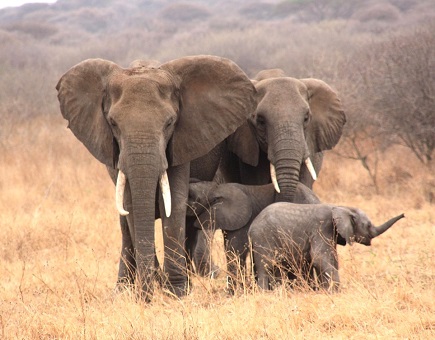
 Tanzania is often regarded as the crown jewel of Africa when it comes to wildlife experiences. With its breathtaking landscapes, diverse ecosystems, and an array of iconic animals, the country beckons adventure seekers from around the globe. If you’re dreaming of witnessing the majesty of the Serengeti or the unique charm of the Ngorongoro Crater, a guided safari offers one of the best ways to explore Tanzania’s wild heart. Here’s how to make the most of your wildlife adventures across Tanzania.
Choosing the Right Safari Experience
When embarking on a safari, the first step is selecting the right type of experience. Guided safaris come in various forms, from private tours to group excursions, and each offers its own unique vantage point of the animals and landscapes.
Private vs. Group Safaris
* Private Safaris: These tours provide a personalised experience, allowing you to dictate your itinerary. This can be beneficial if you have specific animals you want to see, such as the elusive leopard or the majestic elephant herd. Private tours often come with a dedicated guide, which can enhance your understanding of the intricate ecosystems you’re exploring.
* Group Safaris: On the other hand, group safaris offer a sense of camaraderie and can be more affordable. You’ll meet fellow wildlife enthusiasts, share stories, and perhaps even make lifelong friends. Group tours typically visit popular sites and landmarks, giving you a broad understanding of Tanzania’s ecological variety.
Regardless of the option you choose, incorporating local guides is key. Their expertise not only enriches your understanding of the wildlife but also increases your chances of spotting rare species.
Making the Most of Your Safari
Once you’ve chosen a safari type, it’s time to prepare for the adventure. Here are some tips to ensure you gain the most from your experience:
Timing is Everything
The best time for a guided safari in Tanzania largely depends on your wildlife preferences. The dry season, from June to October, is highly recommended for viewing many animal species. During these months, animals congregate around water sources, making sightings more frequent.
Conversely, the wet season, from November to April, offers its unique rewards. Vegetation flourishes, which attracts many animals, including migratory birds. If you’re lucky, you may witness the incredible wildebeest migration, a natural event that draws thousands of animals across the Serengeti.
Bringing the Right Gear
Packing wisely is essential. Besides your casual safari clothing, which should be breathable and neutral in colour, consider the following items:
* Binoculars: For spotting distant wildlife.
* Camera: A zoom lens can capture those incredible moments without disturbing the animals.
* Notebook: Take notes on the species you encounter or jot down memorable experiences.
* Sunscreen and Insect repellant: Essential for comfort and protection.
It’s also wise to carry a small backpack for day outings, containing water, snacks, and any personal necessities you may need while out on a game drive.
Exploring Tanzania’s Diverse Ecosystems
Tanzania is home to diverse ecosystems, each supporting a unique array of wildlife. Here’s a closer look at some areas where you can experience the country’s iconic animals.
Serengeti National Park
Renowned for its vast plains and thriving wildlife, the Serengeti is perhaps the most famous safari destination in the world. Here, you can truly immerse yourself in the dramatic landscape and witness the Great Migration. As you traverse the park in a guided vehicle, you may encounter elephants, lions, cheetahs, and more.
Ngorongoro Crater
Just a few hours from the Serengeti, the Ngorongoro Crater is a UNESCO World Heritage Site and offers a different type of adventure. This volcanic caldera is teeming with wildlife and is one of the best places to see the Big Five: lions, leopards, elephants, buffalo, and rhinos. The majesty of the landscapes combined with the rich wildlife makes it an unmissable part of your safari.
Tarangire National Park
Less visited than the more famous Serengeti, Tarangire National Park is home to large herds of elephants and a unique concentration of baobab trees. The park’s diverse wildlife includes giraffes, zebras, and various bird species. Its varied habitats offer a rich experience with nature, and a guided tour can illuminate the critical role these animals play in their environment.
Cultural Insights and Conservation Awareness
A well-rounded safari experience goes beyond just wildlife viewing. Engaging with local communities and understanding conservation efforts is a vital aspect of responsible tourism. Many guided tours offer opportunities to visit Maasai villages or participate in community-based projects, allowing you to learn about the intricate relationship humans have with wildlife.
By connecting with local conservation initiatives, you not only contribute to safeguarding the environment but also gain an appreciation for the challenges facing these majestic animals. Awareness can enhance your safari experience, as you’ll be able to reflect upon the vital stories behind the wildlife you encounter.
Conclusion
Experiencing Tanzania’s iconic animals on a guided safari is an unforgettable journey into the heart of nature. With careful planning, the right selection of safari type, and a genuine interest in the cultures and ecosystems you encounter, your adventure can be as enriching as it is thrilling. As you prepare for this incredible journey, consider resources that offer tailored wildlife adventures across Tanzania, ensuring your experience is not only enjoyable but also deeply impactful. Embrace the wild, and let Tanzania captivate your senses with its exceptional wildlife and breathtaking landscapes.