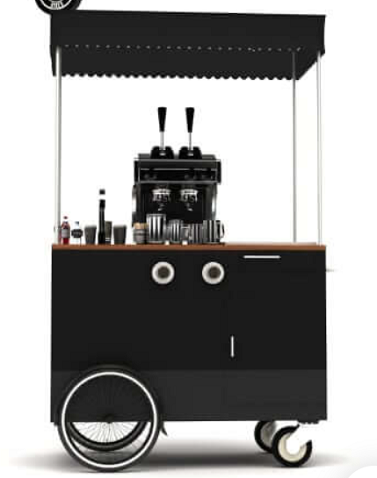
 Starting a mobile coffee business is exciting, but choosing the right cart setup is one of the most important decisions you’ll make. The type of cart you select affects your mobility, budget, equipment capacity, branding, and even the locations where you’re allowed to operate.
This guide compares the four most common setups: pushcarts, coffee bikes, trailers, and modular stands. You’ll also find a link to explore high-end coffee cart models from Ferla Bikes: https://ferlabikes.com/coffee-carts
Pushcart Coffee Setups
Best for: beginners, low-budget startups, indoor markets, tight spaces.
Pushcarts are compact, affordable, and easy to maneuver. They work great in farmers’ markets, office buildings, retail stores, and events where space is limited. Because they’re non-motorized, they generally face fewer regulatory hurdles and are simple to transport.
Pros:
* Lowest startup cost
* Fits into small or indoor spaces
* Easy for one person to operate
Cons:
* Limited storage and equipment capacity
* Not ideal for high-volume service
* Less room for branding
Coffee Bike Carts
Best for: pedestrian zones, parks, campuses, outdoor markets.
Coffee bikes take the pushcart idea further by adding mobility and a unique aesthetic. They’re eye-catching, eco-friendly, and capable of reaching locations where trailers can’t go. Many models support full espresso setups and refrigeration.
Pros:
* Highly mobile and easy to reposition
* Strong visual presence and branding appeal
* Often supports full espresso service
Cons:
* Costs more than a pushcart
* Local mobility rules may apply
* Limited space compared to trailers
Coffee Trailers
Best for: high-volume service, festivals, fairgrounds, semi-permanent sites.
Trailers offer the most space and power capacity, making them perfect for operators who want a full coffee bar with multiple employees. They’re ideal for large events or spots with heavy foot traffic.
Pros:
* Maximum workspace and equipment flexibility
* Professional appearance
* High daily sales potential
Cons:
* Requires a towing vehicle and parking permits
* Higher startup investment
* Not suitable for narrow or crowded areas
Modular Coffee Stands
Best for: malls, airports, corporate campuses, event venues.
Modular stands function like mini cafés without needing a full building. They’re assembled on-site and can be customized with cabinetry, sinks, refrigeration, and branding. They are not mobile in the traditional sense, but they offer a strong, professional presence.
Pros:
* Highly customizable
* Supports full-size espresso equipment
* Great for long-term or indoor locations
Cons:
* Not easily moved once installed
* Requires landlord approval and sometimes higher permits
How to Choose the Best Setup
Business Model
* If you want to roam or move often, a bike or pushcart is ideal.
* If you expect high demand, a trailer is the best pick.
* If you’re operating in a single indoor location, a modular stand works best.
Budget
* Pushcart: lowest cost
* Coffee bike: medium
* Modular stand: medium to high
* Trailer: highest cost
Location Regulations
Check your local rules regarding:
* Bikes in pedestrian zones
* Trailer parking
* Required sinks, water systems, and power needs
Menu Requirements
A larger menu with espresso drinks typically requires more space, stronger power, and greater water storage.
Final Thoughts
Each coffee cart setup offers different advantages. Pushcarts and bikes are great for mobility and affordability, while trailers and modular stands provide more space and higher volume potential.