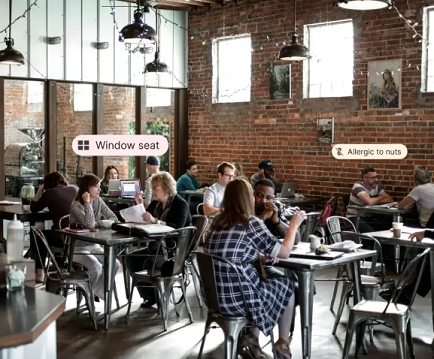
 The last few years have seen huge shifts in the hospitality industry due to new technologies. Automated check-ins and smart reservation systems change how guests interact with hotels and restaurants. New technology, such as Eat App management software for restaurant groups, help hospitality companies fulfill the modern consumers needs for convenience and personalization.
This paper will highlight some of the most important ways hospitality technology adds customer satisfaction, operational efficiencies, and loyalty in restaurants and hotels.
The Integration of Technology in Modern Hospitality
The integration of technology into hospitality management is no longer an option. Customers expect instant gratification, so streamlined check-ins and digital solutions to restaurant reservations are essentials.
The Importance of Digital Transformation
Today’s customers base hospitality companies value the following:
Speed
Personalization
Transparency
Convenience
To meet customers to meet that standard, hospitality companies need to use technology to manage processes, data, and automation. Hotels and restaurants that employ technology to create seamless, end-to-end service from booking to check-out will build loyalty with their customers.
How Technology Boosts Customer Experience at Restaurants
There are various ways customers benefit from the various innovations being embraced by restaurants. The impact these innovations have on restaurants and their customers are:
1. Quick and Convenient Reservations
Customers can make table reservations online through various reservation services.
* They can check table availability.
* They can choose their seats.
* They can receive confirmation.
* They can make a special request.
It also allows multiple restaurants to manage bookings from their guests in order to avoid double bookings, which leads to better customer satisfaction.
2. Customer Experience Customization
Customers data and usage patterns can strategically allow restaurants to make tailoring for:
* Suggested menu items
* Seating arrangements
* Greetings for celebrations (birthdays, anniversaries)
* Special dietary preferences
Personalization increases the perceived value of the service and increases retention by increasing the chances of customers returning.
3. Improved Payment and Ordering Systems
There are various forms of:
* Digital menu ordering
* Tablets for ordering at the table
* Mobile payments
* Touchless payment at checkout
All of these innovations are meant to ease the customers and make the process more efficient, which leads to more satisfaction and less service mistakes.
How Technology Enhances Customer Experience at Hotels
Comfort, reliability, and efficiency are a must in the hospitality industry. To achieve these, hotels make use of digital technology which helps the hotels cut down their operational costs. The customer satisfaction is improved thanks to the hospitality technology as well.
Automated and Contactless Check-In
Entering the lobby and waiting in lines at the reception desk have always been a frustration for guests. To relieve guests of this waiting period, hotels can offer the following check in methods:
* Self-service kiosks
* Mobile apps
* QR codes
This process allows guests a more relaxed check in, and a speedier arrival before enjoying the amenities the hotel has to offer.
Smart Room Features
Modern hotels are providing more high-tech, smart room technologies that can be controlled from your mobile devices such as:
* Smart-TVs with streaming options
* Digital room keys
* Voice-activated assistants
* thermostats and lights
These changes to the guests’ experience are highly favored as they offer more control during their stay.
Real-Time Communication
Messaging applications and hotel apps allow guests to:
* Receive notifications
* Book services
* Order room service
* Request assistance
This seamless exchange of information allows for guests to have an enhanced experience, and ensures that hotel service teams will be able to respond in a timely manner.
Key Benefits of Technology for Hospitality Businesses
Technology has an equal ability to respond to internal challenges within hotels and restaurants. Benefits include:
Operational Efficiency
* Streamlined workflows and reduced staff workload
* Automated processes for reservations and payments
* Improved staff allocation
Data-Driven Decision Making
Technology provides the capability of tracking:
* Customer behavior and trends
* Peak hours in service
* Items most frequently ordered
* Guest preferences
This information allows for improved planning and marketing strategies.
Higher Guest Satisfaction
Positive customer experiences are the easily identified benefits of the technology. Faster service, less room for error, and a more personalized level of engagement will lead to increased positive reviews and customer loyalty.
Key Technologies Influencing the Hospitality Sector
Restaurants and hotels typically make use of the following:
1. Reservation and Booking Software
2. Customer Relationship Management (CRM) Systems
3. Pos and Payment Solutions
4. Smart Room Technologies
5. Mobile Hospitality Apps
All of these tools help create a seamless and unforgettable guest experience.
Final Remarks
Because of technology, hospitality businesses are able to deliver experiences that were once perceived to be impossible. Automated check-ins, personalized menu recommendations, and instant access to guest requests are all made possible using technology. Software solutions such as the Eat App management platform improve operational efficiency, allow seamless interaction with guests, and ultimately lead to a better dining experience.
The hospitality industry will continue to be enhanced and developed through technology, helping to connect customers and improve overall experience.