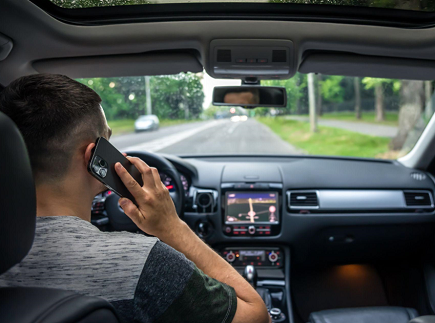
 Phones buzz. Navigation screens light up. Music apps compete for attention. Most drivers do not see these as real dangers. They feel routine. Familiar. Easy to ignore.
The problem is how quickly small distractions add up. A glance at a screen. A quick reply at a signal. A moment where focus shifts away from the road. That brief gap is often enough to cause a serious accident.
After a distracted driving crash, people tend to ask the same questions. Who caused it? How much damage was done? Will insurance cover the costs?
What often goes unanswered are the legal questions that ultimately shape the outcome. Questions about evidence. About responsibility. About rights that can quietly slip away if nothing is done in time.
This article looks at the legal questions drivers rarely ask an auto accident lawyer for distracted driving cases after accidents—and why understanding them early can make a real difference.
What Counts as Distracted Driving Under the Law?
Not Just Texting and Calling
Distracted driving is often linked to texting or phone calls, but the law looks at it more broadly. Any action that pulls attention away from driving can be considered a distraction.
This includes checking navigation apps, adjusting music, eating, reaching for items, or interacting with dashboard screens. Even talking to passengers can become a distraction if it affects focus on the road.
The key issue is not the device itself. It is whether the driver’s attention was divided at the time of the crash.
Why “Hands-Free” Does Not Always Mean Risk-Free
Many drivers believe that hands-free technology makes driving safer. While it may reduce manual distraction, it does not remove mental distraction.
Thinking about a call, following voice directions, or responding to prompts can slow reaction time. From a legal point of view, mental focus matters just as much as where a driver’s hands were.
How Is Fault Determined in Distracted Driving Accidents?
Proving Distraction Is Often the Hardest Part
Unlike speeding, distracted driving is not always visible, so determining the fault is difficult. There may be no clear sign at the scene.
Fault is often determined using a mix of evidence. Police reports may note phone use or witness observations. Traffic cameras or nearby surveillance footage can show driver behaviour before the crash.
In some cases, phone records help establish whether a device was active around the time of impact.
Why Fault Is Not Always Obvious
Distracted driving cases can involve shared responsibility. One driver may have been distracted, while the other was speeding or failed to react properly.
Insurance companies often challenge distraction claims by blaming road conditions, visibility, or the injured driver’s actions. This makes proving fault more complex than many people expect.
What Evidence Actually Strengthens a Distracted Driving Claim?
Digital Evidence Matters More Than People Think
Modern vehicles and devices generate data. Phone usage logs, app activity, and infotainment system records can help build a timeline of events.
Dashcam footage has also become a powerful tool. Even a few seconds of video can clarify how a crash happened and whether distraction played a role.
This type of evidence is time-sensitive and may not be stored forever.
The Role of Medical and Accident Records
Medical records help connect injuries directly to the accident. Early treatment creates a clear record of harm and recovery needs.
Accident reconstruction reports can also show how speed, braking, and driver response contributed to the crash. Together, these records help support claims that distraction led to the accident.
Can Insurance Be Trusted to Handle Distracted Driving Fairly?
Why Insurance Companies Often Downplay Distraction
Insurance companies aim to limit payouts. In distracted driving cases, this often means questioning whether distraction can be proven at all.
Adjusters may argue that there is not enough evidence or suggest alternative causes for the crash. This can weaken claims if not challenged properly.
What Victims Should Know Before Accepting a Settlement
Early settlement offers may seem helpful, especially when medical bills start arriving. However, these offers often come before the full impact of injuries is known.
Once a settlement is accepted, future costs related to the accident may no longer be covered. This is why understanding the full scope of damages is important before agreeing to anything.
How Distracted Driving Changes the Legal Approach to Auto Accidents
Distracted Driving Can Increase Liability
When distraction is proven, it can strengthen a negligence claim. It shows that the driver failed to give full attention to the road, increasing the responsibility for the crash.
This can affect compensation, especially in cases involving serious injuries or long-term recovery needs.
When Legal Guidance Becomes Important
Cases involving distracted driving often require deeper investigation. This is where guidance from an auto accident lawyer for distracted driving cases can help clarify liability, protect evidence, and address insurance challenges.
Legal support is especially important when fault is disputed or injuries are severe.
Why Timing Matters More Than Most Drivers Realise
Evidence Can Disappear Quickly
Phone data may be deleted. Camera footage can be overwritten. Witness memories fade.
Delays can weaken even strong claims. Acting early helps preserve critical information that supports a distracted driving case.
Legal Deadlines and Reporting Requirements
Every state has deadlines for filing accident claims. Missing these deadlines can limit or completely block recovery.
Medical treatment delays can also raise questions about injury severity. Early action helps protect both legal rights and health records.
Conclusion
Distracted driving accidents often look simple at first. A crash happened. Damage was done. Insurance steps in.
But beneath the surface are legal questions that quietly shape the outcome. Was distraction clearly proven? Was evidence preserved? Were rights protected early enough?
These are not questions most drivers think to ask. Yet they determine how fairly a claim is handled and how well recovery is supported.
Understanding how distracted driving affects fault, evidence, and liability allows accident victims to make informed decisions. It shifts the focus from reacting to events to protecting what matters next.
Auto accidents caused by distraction are not just about what happened on the road. They are about how the aftermath is handled—and whether the right questions are asked before important opportunities are lost.