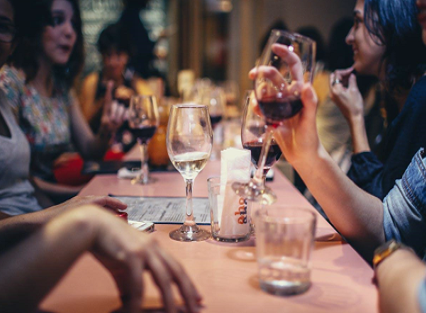
 Ever walked into a restaurant and instantly judged it before anyone spoke to you? That snap impression — from lighting to napkins — shapes the entire dining experience. Today, visual identity isn’t just background décor. It’s a core part of branding that influences how customers feel, choose, and share. In a digital-first world, especially in competitive markets like New York, how a restaurant looks matters just as much as how it tastes.
In this blog, we will share why visual experience has become a key piece of restaurant branding, how it influences customer decisions, and what details matter most in creating a space that feels as good as it looks.
The aesthetic speaks louder than the special
Customers are paying attention. Not just to flavors or prices, but to how a space feels. That includes the lighting, the color of the walls, the dishware, and yes — even the napkins. This is why more restaurant owners are investing in details that might have seemed small in the past. Things like matching linens, uniformed staff, and well-designed tables. These things don’t just serve a purpose. They support the brand story.
Working with a reliable NY linen rental company gives restaurants the chance to elevate their look without constantly buying and replacing inventory. It also means having clean, fresh, coordinated pieces that keep every table on-brand. Linens, when chosen with intention, can reinforce your color scheme, match your interior style, and subtly signal quality to guests.
And when guests feel that sense of care? They’re more likely to take photos, share their experience, and come back. Because now it’s not just a meal. It’s a memory they can show off.
Social media changed the game — permanently
Scroll through any social platform, and you’ll see food and spaces getting just as much attention as influencers. Diners don’t just visit restaurants. They document them. And that shift has changed how people make decisions.
A menu item that photographs well can go viral. A mural on a dining room wall can become a local landmark. The lighting in your dining area might determine whether your guests post a picture or skip it entirely.
Restaurants that understand this lean into it. They create moments designed for sharing. A plate with bold color. A background wall that pops in pictures. A table setup that looks clean and professional.
But this isn’t about being trendy. It’s about being intentional.
The customer journey starts before arrival
The decision to visit a restaurant almost never starts at the front door. It starts online. People check Google listings, browse menus, skim through reviews, and look at photos. Often, they decide based on how the place looks before they know anything about the food.
That means your digital presence needs to reflect your in-person experience. If your actual space is warm, modern, and elegant, your online content should match. Low-quality photos, outdated logos, or poor lighting can send mixed messages.
Visual branding is about trust. When the photos match the reality, guests feel like they’ve made a smart choice. That sense of trust leads to positive expectations — and usually, better reviews.
Your website, your social media, your email headers, and even your to-go packaging all speak the same visual language. When those details work together, your restaurant feels like a cohesive brand. Not just a place that serves food.
Visuals are part of the memory, not just the moment
After a great meal, guests don’t just remember the flavor. They remember the feeling. And that feeling is often tied to what they saw around them. A beautiful plate, a candlelit table, a bright and cheerful patio — these details live in their memory long after the check is paid.
This emotional connection is what turns first-time guests into regulars. It’s why someone might pick your place to celebrate a birthday, host a work dinner, or bring visiting family. Because the look and feel of the restaurant left a lasting impression.
And when that impression is positive? It becomes part of their story. A place they recommend. A place they tag in photos. A place that feels like theirs.
This kind of loyalty isn’t bought with ads. It’s built through experience — and visuals are the foundation of that experience.
The bottom line? Consistency is what turns a good visual into a lasting brand. One stylish corner or a single polished photo isn’t enough — guests notice when the details don’t match. If the dining room feels refined but the patio feels ignored, it creates doubt. That’s why reliable systems, like trusted vendors and service routines, matter. A dependable linen provider, for example, helps every table feel equally cared for, no matter the day.
In a world where guests judge with their eyes before their taste buds, visual alignment builds trust. When everything looks and feels intentional, from the lighting to the table settings, it sends a message: this place knows what it’s doing.