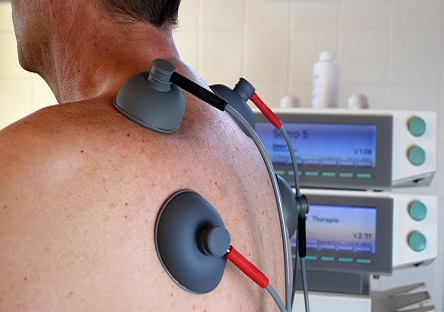
 Injuries, muscle strain, or recurring joint pain can slow down any professional athlete. Hence, whether you’re training for a marathon or simply trying to stay active, your body deserves the right care when discomfort strikes. That’s where sports medicine specialists step in.
If it’s your first time visiting a sports medicine expert in Glasgow, it’s normal to feel a little unsure about what to expect. Is it like a regular doctor’s appointment? Will you need scans? And most importantly, will it help?
Having said that, let’s walk through what typically happens during your first visit, so you can step in feeling confident, informed, and ready to get back to your best. Dive into the article to know!
1. A Conversation That Starts with You
Your first visit is not all about tests or treatments. Rather, it begins with a genuine conversation. A sports medicine expert will take the time to understand your medical history, lifestyle, and activity levels. They’ll want to know how the injury happened (if there was one), what movements cause discomfort, and how it affects your day-to-day life.
Be prepared for questions such as:
* When did the pain or stiffness begin?
* What kind of exercise or physical activities do you do regularly?
* Have you tried any treatments or rest before coming in?
This information helps the expert build a clear picture of your condition. In short, the goal is not just to treat symptoms, but to understand the root cause — whether it’s overuse, muscle imbalance, poor posture, or a deeper joint issue.
2. A Thorough Physical Assessment
Once your consultation begins, expect a detailed physical evaluation. The sports medicine expert will check your:
* Mobility,
* Flexibility,
* Muscle strength, and
* Joint stability.
You might be asked to perform small movements like bending, stretching, or walking, so they can observe how your body responds. This part of the visit helps pinpoint the source of pain or imbalance. For instance, a knee problem might stem from weak hip muscles or tight hamstrings. These are the issues that can’t be detected without proper movement analysis.
If needed, your specialist might recommend imaging tests such as an MRI, ultrasound, or X-ray to get a clearer picture. These tests provide valuable insight into the condition of your bones, ligaments, or soft tissues before deciding on a treatment plan.
The best part? Patients seeking sports medicine in Glasgow with trusted clinics like Elanic Medical receive tailored care based on these assessments. It is designed to restore comfort and movement efficiently. Their experts combine advanced diagnostic tools with a holistic approach to recovery.
Ultimately, from first-time consultations to full recovery programs, the goal there is simple: help patients return to their activities stronger, pain-free, and with confidence.
3. Personalized Treatment Recommendations
After your assessment, the specialist will discuss the findings with you. Instead of a one-size-fits-all solution, experienced professionals focus on personalized treatment plans. They’ll match your condition, lifestyle, and recovery goals.
Here’s what your plan might include:
* Physical therapy: Exercises and stretches to rebuild strength and flexibility.
* Manual therapy: Hands-on treatments to relieve muscle tension or joint stiffness.
* Injury prevention guidance: Advice on posture, warm-ups, and training techniques to avoid future pain.
* Rehabilitation programs: Gradual progressions to safely return to sports or physical activity.
* Lifestyle adjustments: Simple tweaks to daily habits to support long-term joint health.
What’s great about working with an expert is the collaborative approach. You’re encouraged to ask questions, discuss your progress, and understand why each part of the plan matters.
4. Education and Prevention Strategies
A key benefit of seeing a sports medicine expert is education. Beyond treating pain, they help you understand how your body works — and how to prevent the same issue from happening again.
They might show you how to:
* Correct your form during workouts,
* Adjust your running shoes for proper support, or
* Modify exercises to reduce strain on certain joints.
All in all, this knowledge empowers you to stay active safely, even long after treatment ends.
In Conclusion
Visiting a sports medicine expert for the first time might sound intimidating, but it’s actually a refreshing experience. Instead of a quick prescription or generic advice, you’ll receive a personalized, whole-body approach that focuses on restoring strength, movement, and confidence.
If you’re struggling with a nagging pain, stiffness, or an injury that just won’t heal, it might be time to take that step toward recovery. Because at the end of the day, good movement isn’t just about physical ability — it’s about feeling like yourself again, ready to live fully, move freely, and thrive.