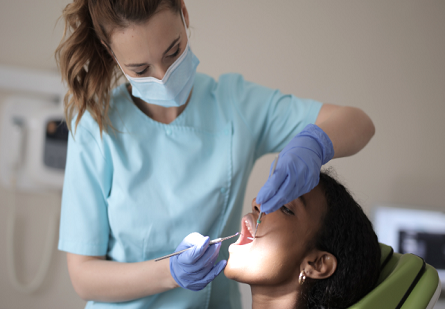
 Your mouth can reveal more about your health than you might think. Oral testing isn’t just about checking for cavities or gum disease—it’s a simple, powerful way to understand your overall wellness.
From detecting early signs of inflammation to identifying potential nutrient deficiencies or underlying conditions, your saliva and oral health offer important clues. By paying attention to what’s happening in your mouth, you can take smarter steps toward better health. In this guide, we’ll explore how oral testing works, what it can tell you, and why it’s becoming an essential part of preventive care.
Your Mouth: The Chattiest Part of Your Body
Real talk—the link between your mouth and the rest of you is kind of mind-blowing once you get into it. Here’s a fun fact: research shows that when families stick to preventive oral health routines, parents actually stress less and everyone’s quality of life gets better [PMC. That’s proof that oral health and wellness moves aren’t just about teeth—they touch everything in your life.
Why Your Mouth and Body Are Basically Besties
Those bacteria chilling in your mouth? They don’t just stay there like good little microbes. Nope. They can hop into your bloodstream and take a tour of your entire body, stirring up inflammation that messes with your heart, lungs, and immune system. Got gum disease? Your odds of dealing with heart problems or diabetes complications just shot up.
But wait, there’s more. Your spit is basically telling on you all the time. Hormone swings, vitamin deficiencies, stress—it’s all showing up in your oral biomarkers way before you’d feel anything wrong. Scientists are now connecting the dots between your mouth bacteria and things like gut health and even your mental state. Wild, right? This is exactly why routine saliva testing has become such a smart move for spotting trouble early when fixing it is actually manageable.
What These Tests Can Actually Find
Modern oral health assessment tools have left the “just looking for cavities” era in the dust. We’re talking about diagnostics that read your genetic code, check your pH balance, and decode bacterial DNA to build you a custom health roadmap. Pretty cool stuff.
These tests hunt for everything from stress hormones like cortisol to cancer markers and signals of autoimmune weirdness. The tech behind it—PCR testing, mass spectrometry, next-gen sequencing—delivers results that actually mean something you can act on.
Why You Actually Need This
The benefits of oral testing aren’t just about convenience (though yeah, that’s nice too).
Red Flags That Deserve Your Attention
Spotting warning signs early saves money, time, and stress. Routine check-ins help track existing conditions and confirm whether treatments are working. When unusual biomarkers show up early, you gain valuable options for intervention. Prevention is far more effective when guided by real data—oral health assessments give you concrete insights to share with your doctors so your care plan truly fits your needs
Testing Without the Ouch Factor
Let’s face it—no one enjoys needles. Oral sample collection changes that. It’s painless, easy, and often doable from home—no clinic stress required. Studies show that when dental professionals use preventive programs, kids cooperate more and see fewer cavities. Translation: expert oversight plus simple testing delivers real results. Taking multiple samples throughout the day also provides more accurate hormone and biomarker readings
How to Jump In
Adding dental wellness testing to your life isn’t some massive overhaul situation.
The Process Isn’t Complicated
Before you test, you’ll need to skip food, drinks, and brushing for a bit. Timing matters because your biomarkers are basically on a schedule—they shift throughout the day. Your healthcare team can nail down the best collection windows for spot-on results.
How you collect depends on what you’re testing. The drool method (as glamorous as it sounds) works for general saliva stuff. Swabs grab bacteria for microbiome analysis. Cheek swabs snag genetic material. Labs use seriously impressive tech—think AI-powered analysis—to decode what your samples are saying.
Fitting Testing Into Real Life
Start with baseline oral testing to establish your health snapshot. Consult your dentist, doctor, or wellness coach to choose tests suited to your goals. Testing frequency varies—hormones may need monthly checks, while genetic tests are usually once. Use digital tools to track trends and follow up to confirm if your lifestyle adjustments are working
Your Burning Questions, Answered
Do at-home kits actually work as well as lab tests?
When you pick at-home kits from CLIA-certified companies and follow their instructions like your life depends on it, the accuracy is pretty much neck-and-neck with lab tests. Just make sure you’re choosing FDA-approved options and double-check the lab’s credentials before you order.
Can I ditch my dentist appointments if I do oral testing?
Hard no. While oral testing gives you incredible health intel, it’s a teammate with your regular dental visits—not a replacement. Your dentist catches things testing can’t, like structural weirdness or decay that’s just getting started.
What happens if my results look scary?
Get on the phone with your healthcare provider ASAP to talk through anything concerning. They’ll translate what those numbers actually mean and build an action plan with you. Don’t freak out, but definitely don’t shrug it off either.
You’re In The Driver’s Seat Now
Oral health and wellness testing is changing the game from “wait and react” to “know and prevent.” When you understand what’s brewing inside you before symptoms crash the party, you get to make real choices about your health instead of playing catch-up. The science connecting oral biomarkers to system-wide conditions keeps getting stronger.
Whether you’re managing chronic stuff, pushing your athletic limits, or just want to stay two steps ahead, modern dental wellness testing puts powerful, accessible tools right in your hands. Turns out your mouth really is the window to everything else going on in there. Time to start paying attention.