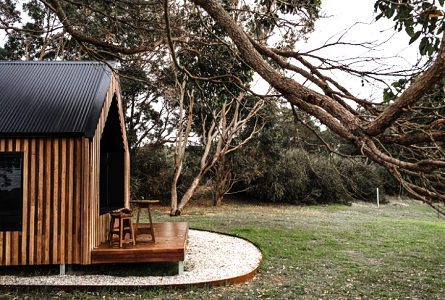
 The move toward tiny living—whether it’s a dedicated tiny home, a compact Accessory Dwelling Unit (ADU), or a micro-condo on a small urban lot—isn’t just a trend; it’s a revolution in efficiency. But this beautiful constraint comes with a massive design challenge: every square inch counts, both inside and, critically, outside the dwelling. You can’t afford to waste an inch. This is precisely why the 3d site plan rendering has become indispensable. It is not just a pretty picture; it is a highly detailed, three-dimensional visualization of the entire property footprint, showing the structure’s placement relative to the boundaries and surroundings. Our core argument is simple: this rendering is not a luxury, but a non-negotiable, essential tool for maximizing the functionality of a limited lot, ensuring that crucial outdoor elements—such as utility access and parking—integrate seamlessly with minimal private spaces, like gardens or patios. For developers and owners operating under tight constraints, professional site plan renderings are the bedrock of success.
The Imperative of Precision: Why Renderings Replace Blueprints for Small Lots
Let’s be honest, trying to visualize a cramped exterior space using traditional, flat 2D blueprints is a nightmare. It’s like trying to navigate a dense city with an old paper map. Tiny spaces demand absolute certainty because if you misplace a drainpipe by six inches, you might wipe out the entire usable patio space. A high-quality architectural site plan rendering provides a critical, photorealistic perspective that instantly reveals spatial conflicts—such as a rear door swing intersecting with the path to the trash bins, or the home’s shadow line casting shade over the only viable spot for a garden. The discussion here centers on the concept of “spatial tolerance.” This visualization enables designers and clients to clearly visualize the tight margins and clearances required for comfortable, legal, and truly functional tiny living, thereby preventing costly and often devastating mistakes during construction.
Utility Placement: Navigating the Minimal Footprint
This is the most technical part of the tiny living puzzle, and it’s where money is most easily wasted. For a tiny home on a small lot, there is almost no margin for error regarding septic fields, water lines, electrical boxes, or gas access points. Mess up the setbacks, and your permit is denied. The site plan rendering serves as the primary tool for visualizing compliance with zoning laws and ensuring sufficient access for maintenance vehicles without compromising the landscaping. This visualization removes guesswork and makes the complex coordination of subcontractors infinitely easier.
* Water and Sewer Lines: Visualizing minimum required depth and proximity to foundations and landscaping to ensure compliance and avoid future damage.
* Electrical Meter and Panel Access: Ensuring the placement complies with stringent fire codes and remains unobtrusive to the home’s primary, aesthetically pleasing view.
* Propane Tank or Heat Pump Placement: Integrating required safety clearances (e.g., from doors or windows) with minimal disruption to usable outdoor space.
* Stormwater Management: Mapping the precise flow of rainwater and the location of essential drainage systems or rain barrels relative to the structure’s footprint.
Maximizing the Exterior: Blending Aesthetics with Functionality
On a tiny lot, you can’t separate your functional needs from your aesthetic desires; the exterior must serve multiple roles: access, parking, and recreation. That little patch of dirt isn’t just decoration. It must work hard. A comprehensive site plan rendering produced by professional 3d site plan rendering services allows for the optimized placement of these diverse elements to maximize function without sacrificing curb appeal. This involves visualizing the integration of features like modular decking, vertical gardens, or compact storage sheds, ensuring they enhance the property rather than making it feel cluttered or overpowered. The ultimate goal is to design an exterior that feels spacious, purposeful, and integrated, despite its small size.
Dedicated Access and Parking Solutions
The issues surrounding parking and access on small parcels can be surprisingly thorny, especially for urban infill or shared-lot ADUs. The rendering is used as a simulation tool to test convenient scenarios: can a fire truck access the lot? What is the turning radius for a delivery vehicle? How do we ensure ADA compliance for pathways? Crucially, it visualizes the functional relationship between the entrance of the home, the primary outdoor living area, the necessary storage unit, and the designated parking space, ensuring a smooth and practical daily routine for the residents. You want convenience, not an obstacle course.
Compliance and Community Integration Through Visualization
Building small is often more challenging than building big, primarily due to the non-negotiable legal requirements. Zoning and code compliance are frequently stricter for tiny homes and ADUs because they are atypical. The rendered site plan renderings serve as a vital communication tool for planning departments. They clearly illustrate how the design adheres to local setback requirements, height restrictions, and coverage limits, speeding up the process of securing timely permits. Furthermore, for urban infill projects, rendering is essential for demonstrating visual integration with the existing neighborhood fabric and preemptively addressing potential concerns from community stakeholders about scale and visual impact.
Optimizing Small Gardens and Green Spaces
The aesthetic and wellness components of small lot design should not be underestimated. Green space is essential for mental well-being. A high-quality presentation from a specialized site plan 3D rendering company enables designers to optimize sunlight, shadow, and drainage patterns across a limited property. This visualization is crucial for successfully designing compact outdoor areas—whether it’s a micro-vegetable patch, a private patio for morning coffee, or a dedicated pet relief area. The rendering ensures that these small green spaces receive the correct amount of light (based on the structure’s specific shadow line) and are strategically placed to enhance, rather than interrupt, essential access points, maximizing the joy of tiny living.
Conclusion
For the unique, constrained world of tiny living design, the site plan rendering is not a luxury visualization, but an absolute necessity for minimizing risk and maximizing function. Reiterate that these highly detailed, visual documents allow designers to solve complex problems—from essential utility placement to maximizing outdoor enjoyment—before the first shovel hits the dirt. By providing complete clarity on the entire property footprint, the rendering ensures that every single square inch of a small lot is functional, compliant, and aesthetically optimized, making tiny living feasible, practical, and truly enjoyable.