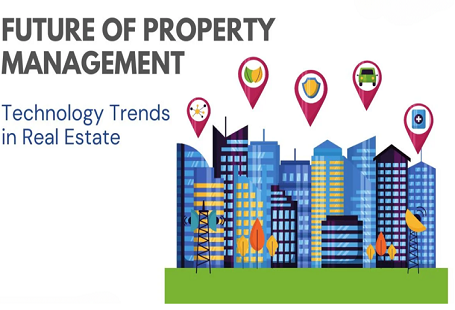
 In the last decade, residential property management has changed tremendously. Digital tools have emerged, tenant expectations have changed, and tenants want to live without the hassle of caring for a lawn or shoveling snow. As the industry continues, it will only become more automated, tech-driven, service-oriented, and socially conscious.
Here are the biggest trends impacting the future of residential property management.
1. Technology Will Lead the Way
The process of property management is made easier with technology and has the potential to improve significantly over the next few years.
Smart Property Management Software
Today’s property managers are leveraging cloud-based platforms to:
* Manage tenant applications
* Manage rent payments
* Track maintenance requests
* Manage accounting
These solutions digitize the manual processes residents once had to engage in and also provide real-time data on expenses, incomes, and maintenance. In the future, software will do even more – such as utilizing AI to price rent and automatically communicate with residents – making property management even faster and more effective.
Virtual Leasing & Online Services
Virtual property tours, digital lease signing, and online onboarding have become standard. For prospective tenants, viewing units from anywhere offers convenience and speeds up decision-making. Property managers benefit from increased reach and fewer vacant days.
2. The Rise of Artificial Intelligence & Automation
Artificial intelligence and automation are ready to transform every step of property management.
Predictive Maintenance
Sensors and automated tools will identify issues such as HVAC failures or water leaks before tenants see them. This reduces the number of emergency repairs needed, saves money, and improves tenant experience.
AI for Tenant Communication
Chatbots will handle:
* Frequent questions
* Scheduling building tours
* Maintenance requests
* Rent reminders
This allows managers to focus on higher value responsibilities, while continuing to provide an excellent experience.
Automated Rent Pricing
AI-enabled tools will analyze the latest trends, property status, and location information to produce affordable and competitive rent prices.
3. Tenant Experience Becomes a Top Priority
With rising competition, tenant satisfaction is one of the top distinguishing factors for property managers. A good experience will lead to:
* Longer lease terms
* Lower turnover rates
* Improved community culture
* Stronger reputations
Service First Approach
Property management in the future will no longer be about only fixing issues. Residential property managers will create positive living environments through:
* Communication responsiveness
* Community events
* Digital service portals
* Flexible lease terms
On Demand Services
More properties will partner with organizations to provide services that create value such as:
* Housecleaning
* Package management
* Handyman services
This hotel-like experience is particularly appealing to younger renters and busy professionals.
4. Sustainability & Green Living
Environmental considerations dictate tenants’ choices about where to live. Sustainable buildings appeal to more responsible, quality tenants and lower long-term operating costs.
Examples of eco-friendly initiatives are:
* Energy-efficient appliances
* Solar energy
* Water-saving fixtures
* Smart thermostats
These encourage utility cost savings while increasing property value. Many management companies will also consider or at least implement, recycling programs and green landscaping services.
5. Data-Driven Decision Making
Data is becoming a valuable asset in the field of property management. Rather than relying on assumptions, property managers are making data-informed decisions through real-time analytics.
What Data Helps You Track:
* Rental Market Trends
* Tenant Satisfaction
* Maintenance Costs
* Marketing Performance
* Operating Expenses
Once the property manager collects and analyzes the data, it will help the manager:
* Reduce Vacancies
* Maximize Rent Pricing
* Improve Services
* Proactively Plan Maintenance For Tenants
By having data support these decisions there’s better ROI and better operating.
6. Remote & Hybrid Landlording
Property management is now borderless. A landlord no longer needs to live near their rental properties because cloud-based applications now allow landlords to remotely manage their properties from anywhere in the world.
Remote landlording is especially useful for:
* Real estate investors who own properties in multiple cities,
* Short-term rental hosts,
* International owners (owning properties in the U.S. or U.K. and living in another country).
In these situations, a property manager and technology can facilitate all tasks—even the tasks that require an onsite presence (e.g. inspections, repairs, etc.).
7. Growing Influence of Short-Term Rentals
Short-term rentals (like Airbnb and Vrbo) are continuously increasing as a part of residential portfolios. Managing these units requires:
* Frequent cleaning
* Dynamic rent pricing
* Guest vetting
Property managers specializing in this niche will grow quickly as homeowners and investors look to passive income without the day-to-day work.
8. Increased Regulation & Compliance Support
Local laws regarding rental properties—particularly short-term rentals—are tightening. Property managers will be important by:
* Ensuring compliance with the law
* Overseeing inspections
* Managing safety requirements
* Knowing specific laws relating to landlords and tenants
This knowledge will help landlords not get serious fines and legal issues.
Conclusion
Residential property management is evolving towards more intelligent, rapid, and service-based operations. As the impact of technology, automation, and data analytics develops, landlords and investors can make better decisions that directly impact profits and tenant retention. Sustainable practices, quality tenant experiences, and proactive maintenance will aid in making rental property a good investment —if not today, in the years to come.
At the end of the day, property managers with progressive tools, market understanding, and regulatory education will clearly differentiate themselves. Putting an emphasis on digital efficiencies, service that prioritizes long-term value, and service will provide clearer paths for property owners to mitigate turnover, improve returns, and keep quality of life.
One thing you can count on as this dynamic continues to evolve: residential property management will be data agnostic, automated, and focused on value creation— for tenants as well as owners.