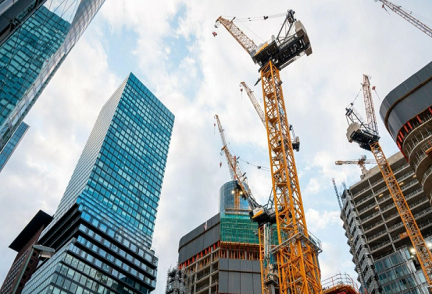
 The construction sector is in the process of a dramatic shift, influenced by the swift technological development, new environmental regulations, and altered consumer demands. The infrastructure development projects today are no longer all about concrete and steel but to formulate sustainable, efficient and intelligent places that promote the quality of life. With the increasing pace of urbanization, construction business is changing their strategies to suit the requirements of the entire population in the form of the institutions and the individuals in their own homes. These trends are changing the way we construct the world around us, with smart cities, eco-friendly building materials, and others.
The Emergence of Sustainable and Green Building
Sustainability has ceased being a niche demand to become a necessity when it comes to modern construction. Designers are also focusing on environmentally friendly materials and designs that will use less energy to reduce environmental degradations. This includes recycling, adoption of superior insulation and incorporation of renewable sources of energy such as solar panels into the building systems. Green building certifications now become a norm, compelling firms to develop innovations in terms of waste management and water preservation. This does not only favor the planet but also offers long-term cost savings to the residents as they are able to save on utility bills which makes sustainable properties very attractive in the real estate market.
Adoption of Smart Technology
Technology is transforming the way infrastructure is designed, constructed and maintained. Building Information Modeling (BIM) enables designers and engineers to make online copies of the physical buildings to streamline the designs before digging into the ground. Smart home is a technology that is slowly becoming a staple in residential development to the extent that the residents of the homes have the ability to control their lighting, climate, and security through their smartphones. Sensors also check the structural health in real time in major infrastructure projects forecasting maintenance requirements and avoiding failures. This electronic integration makes sure the present-day buildings are not merely buildings but dynamic mechanisms, which change in accordance with the requirements of the people in them.
Target Premium Locations and Community Planning
The modern construction is not only about the building but it is also about the holistic living experience. It has been revisiting the idea of choosing the best locations that provide access to the coastline, city centres, and necessary facilities. Top developers realize that a winning site is fundamental in long run value. Considering such industry leaders as yav.co.il, one can observe how effective companies can merge prestigious location with intelligent community planning. This would be achieved through incorporating residential units into readily available education systems, community centers and green areas, forming self-sustaining communities where the residents would be able to prosper.
High-tech Civil Engineering and Urban Development
Modern infrastructure projects are large-scale projects that demand advanced civil engineering skills. Companies are currently dealing with complicated developments that cater to government institutions and municipal authorities and individual residential developments. Such bi-feature enables the improved integration of the public utilities and the housing of the private. The topic of innovations in foundation engineering and coastal construction is especially pertinent to the projects located close to water bodies and which need particular expertise to be durable and secure. Having the capacity to complete the civil engineering work on large scale and at the same time still achieving the high standards of architectural design is proving to be a major distinction point amongst the leading construction companies.

Customer-centric Service Models
The association between the builder and the buyer is changing. This used to be the case with the handover of keys in the past. In the modern world, it is all about a holistic service experience. The construction companies that are successful today are taking the clients through all the stages of the process and this is starting at the first stage of the architectural design and all the way to the post move-in services. This is because through this personalized approach the final product will be in line with the vision of the customer. Professionalism, reliability, and warm, courteous service are also becoming important as the quality of the construction itself. Companies develop a competitive market through long-term trust and reputation by putting customer satisfaction as the main indicator of their success.
Conclusion
The future trend of construction is towards a time that has an appreciation on sustainability, integration of technology and community based living. They not only define the skyline of our towns as these trends keep on changing, but also determine how we live and how we relate with our surroundings. To the homebuyers and investors, getting acquainted with such changes is important in identifying value. Businesses that have managed to combine ingenious architectural planning with a profound understanding of civil engineering, coupled with a service oriented viewpoint are in the vanguard since they are establishing the grounds of an even smarter, greener and more connected world.