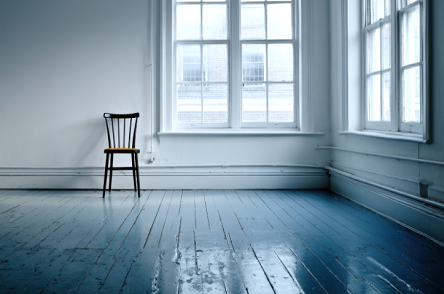
 Walk through your house right now. Go ahead, I’ll wait. Notice those weird corners? That dusty spot under the stairs? The hallway that just ends? You’re literally paying mortgage or rent on square footage you completely ignore. And with housing prices doing their best impression of a rocket launch, that’s money left on the table.
The real kicker? This isn’t about shoving more stuff into closets. It’s about designing spaces that genuinely make your life easier and your home more livable.
Finding the Forgotten Corners You Walk Past Every Day
Here’s the thing: you probably pass by valuable real estate in your own home without even noticing it anymore. It’s become an invisible background scenery.
The Spaces Hiding in Plain Sight
Take that cavity under your staircase. Right now it’s probably hosting a collection of random objects you haven’t looked at in months (maybe years?). But here’s something wild: research demonstrates that smart space optimization can boost functionality by 100x, similar to manufacturing operations that scaled from $150K to $20M in just 18 months through better resource management. Your under-stair area, those bizarre corners, and the above doorframes all qualify as prime real estate going to waste.
Got a window alcove? That natural light is begging for a reading spot or compact workspace. Hallways that dead-end? Perfect for narrow storage that won’t mess with foot traffic. Even those sloped attic walls with knee space can become built-in storage goldmines.
Don’t Skip the Boring Structural Stuff
Planning something ambitious like converting your basement into a workshop or your attic into an office? Then you need to think about what your house can actually handle. Load-bearing walls aren’t negotiable, mess with those without expert guidance and you’re asking for serious trouble. Adding significant weight means you might need reinforcement.
For projects requiring additional structural support, you’ll want to source steel purlins for sale from reputable suppliers, because professional-grade materials keep everything safe while letting your creative vision actually happen. And utilities! Pipes, wires, and ductwork love to run through supposedly “empty” areas. Discovering these after you’ve already started can turn a weekend project into a budget nightmare.
Room-by-Room Strategies That Actually Work
Different spaces demand different approaches. What’s brilliant in your bedroom might be totally impractical in the kitchen.
Living Spaces That Don’t Feel Cramped
Place a console table behind your sofa for a hidden work area. Floating corner shelves add display space without crowding the room. Concealed TV wall storage keeps gadgets and cables tidy, and window seats with built-in storage blend comfort and functionality seamlessly.underneath? That’s combining comfort with function in a way that just feels right.
Bedroom Upgrades That Free Up Space
Platform beds with built-in drawers replace bulky dressers, under-bed containers store seasonal items, and fold-away wall desks maximize multifunctional spaces. Custom closet organizers—vertical dividers, specialty hangers, and pull-out systems—make every inch count.
Kitchen Tricks for Every Inch
Utilize toe-kick drawers for sheets and boards, corner carousels for hard-to-reach items, and narrow pull-out pantries to store spices and cans, turning every small gap into practical storage.
Multi-Purpose Design Makes Small Spaces Work Harder
The real secret isn’t just storage, it’s versatility. When furniture and rooms serve multiple functions, you multiply what your space can do.
Modern Convertible Furniture Actually Works Now
Sofa beds have come a long way from those horrible bar-in-your-back nightmares. Today’s options genuinely work for daily sitting and overnight guests. Storage ottomans that double as coffee tables stash blankets, controllers, whatever, while providing extra seating when friends visit.
Expandable dining tables let you host dinner parties without dominating your space the other 360 days a year. Research shows 80% of New Year’s resolutions crash and burn by February, usually because they’re vague wishes without real accountability. Space transformations fail the same way, without concrete plans for how you’ll actually use things daily, it’s just rearranging deck chairs.
Rooms That Serve Double Duty
Combining a guest room with your home office means you can host visitors without sacrificing an entire room year-round for occasional use. A decent Murphy bed or sleeper sofa plus a proper desk creates both functions seamlessly. Merging your laundry room with a mudroom near a side entrance handles both clothing care and the daily parade of coming and going.
Make Your Home Work Harder for You
Figuring out how to utilize empty spaces doesn’t require an architecture degree, just the willingness to see possibility instead of problems. These practical home improvement tips work because they solve real frustrations with achievable solutions, whether you’re dealing with fifty square feet or five hundred.
Start anywhere, one corner, one closet, whatever. When you make small spaces functional through intentional choices, you’re not organizing for Instagram. You’re reclaiming square footage you’re already paying for and fundamentally changing how you experience home every single day.
Your Questions About Space Transformation
What’s the most wasted space in homes?
Under-stair areas win, with high walls and odd corners close behind. Almost every home has these, yet they rarely get thoughtful planning beyond becoming dumping grounds for mystery items.
What does converting empty space actually cost?
Basic DIY options like tension rods might cost under $50. Mid-range projects like ready-made shelving systems run $50-$500. Major work involving custom builds or structural changes typically exceeds $500, with basement conversions potentially hitting thousands.
Why bother converting space instead of just moving?
Converting what you have costs way less than relocating, dodges realtor fees, and keeps you in the neighborhood and community you love. Plus, smart space-saving ideas for home improvements can boost property value while solving immediate problems.