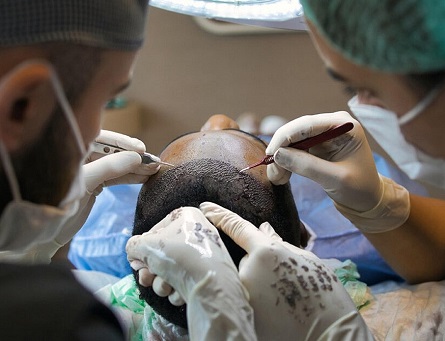
 Hair loss can feel more personal than almost anything else. It’s not just about appearance — it’s about confidence, identity, and how you feel when you look in the mirror. So when you decide to explore hair restoration, choosing the right surgeon becomes one of the most important steps of the process.
And in a city as large and competitive as New York, where hair restoration clinics seem to pop up on every corner, finding a skilled professional who can deliver natural-looking results takes more than a quick online search.
Here’s how to navigate your options and make an informed choice — one that prioritizes artistry, ethics, and lasting confidence.
Understand What a Natural Hair Transplant Really Means
Not all hair transplants are created equal. Some leave visible scarring or unnatural density patterns, while others seamlessly mimic natural growth. The difference lies in precision, artistry, and the surgeon’s understanding of how real hair grows.
A “natural” result isn’t just about filling bald spots. It’s about matching density, angle, and direction so the transplanted hair blends perfectly with the existing one. A good surgeon studies your face shape, hairline design, and even future hair loss patterns before recommending a plan.
Modern techniques like FUE (Follicular Unit Extraction) and FUT (Follicular Unit Transplantation) have made it possible to achieve realistic, long-lasting outcomes — but only in the right hands.
Check for Experience and Credentials First
Hair restoration is both a science and an art. That’s why experience should be your top priority. Look for a board-certified plastic surgeon who specializes in hair restoration and has years of proven results.
A professional trained in microsurgery or reconstructive aesthetics brings a higher level of precision — especially when handling delicate grafts or creating custom hairlines.
If you’re researching options for a hair transplant in NYC, Dr. Alizadeh’s practice is a great example of what to look for. His team combines medical expertise with an aesthetic approach, focusing on achieving density and flow that match your natural growth pattern — not a “plugged” or artificial look.
Before committing to any clinic, review their qualifications, patient success stories, and case photos. Reputable surgeons will always showcase before-and-after results transparently, allowing you to see consistency and authenticity.
Ask About Technique — Not Just Tools
It’s easy to get caught up in buzzwords. You’ll see clinics advertise “robotic extraction,” “advanced graft counting,” or “cutting-edge follicular mapping.” While technology helps, the surgeon’s skill ultimately determines the outcome.
A skilled surgeon knows how to use those tools — and when not to. For example:
* A good specialist will determine the donor area carefully to prevent visible thinning.
* They’ll know the right number of grafts for your density goals.
* They’ll plan a realistic hairline that will still look age-appropriate ten years from now.
So, during consultations, don’t just ask about the technology — ask how they customize each case. If the conversation feels generic or rushed, that’s a red flag.
Evaluate Their Artistic Vision
This is where science meets style. The best hair surgeons think like artists. They don’t just restore hair; they restore balance and proportion to the face.
A skilled surgeon looks at facial symmetry, age, and even expressions to design a hairline that looks believable. For example, men in their 40s shouldn’t have the same dense, low hairline as a 20-year-old — it would look unnatural.
Reviewing past patient photos is one of the best ways to gauge artistic skill. Look for results that appear soft, natural, and consistent with the patient’s age and features.
Consider Comfort, Transparency, and Aftercare
The right clinic should make you feel comfortable at every step — from consultation to recovery. You should never feel pressured or rushed into booking.
Ask for a clear breakdown of:
* Procedure details: What’s the recovery timeline?
* Cost structure: Are there hidden fees or “add-ons”?
* Aftercare plan: What post-op support do they offer?
Reputable surgeons believe in transparency. They’ll explain what to expect — including possible shedding phases or temporary redness — and will follow up regularly to track your progress.
Aftercare is just as important as the surgery itself. Good aftercare ensures graft survival, reduces swelling, and promotes smooth healing.
Why Choosing the Right Surgeon Is a Long-Term Investment
A properly performed hair transplant is permanent. The transplanted hair continues to grow naturally and can be cut, styled, and maintained like the rest of your hair. That’s why selecting the right professional isn’t just about fixing a current concern — it’s about investing in how you’ll look and feel for years to come.
When done by a qualified expert, the results should be so seamless that no one — not even your hairstylist — can tell you’ve had a procedure.
Patients who rush into low-cost options often end up needing revision surgeries later. By taking your time to research and choose a reputable specialist, you’re not only ensuring better results but also protecting yourself from unnecessary risks.
Final Thoughts
Choosing a surgeon for hair restoration isn’t about finding the flashiest clinic or the cheapest deal — it’s about finding expertise, ethics, and empathy in one place.
In NYC and beyond, the best results come from surgeons who understand both the science and the art behind every graft. When you choose carefully, you don’t just regain your hair — you reclaim your confidence, one follicle at a time.