Every home has its unique quirks and spaces that often get overlooked in the organization process. While we typically focus on high-traffic areas like the kitchen and living room, there are several hidden areas throughout our homes that greatly benefit from a thoughtful organization strategy. Clutter in these spaces can disrupt the flow of our daily lives and even add to stress. In this article, we will explore several often-neglected nooks in the home, offering concrete tips for improving organization and enhancing functionality.
A Hidden Goldmine of Closets
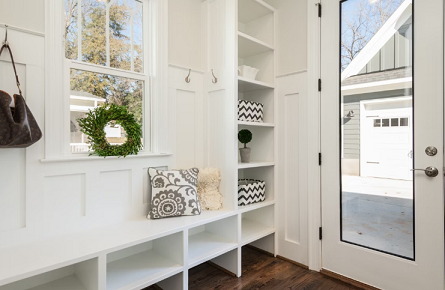
Many tend to overlook closets, particularly those that don’t seem to hold much potential beyond clothes and shoes. These spaces can dramatically streamline your life when organized effectively.
Consider the specific needs of each closet before planning its layout. Craft spaces, in particular, can benefit from thoughtful design and smart storage. You can take a look at craft closet organization ideas from Renuity Home to discover clever ways to store supplies and keep materials accessible. A children’s closet might work best with labeled bins or low shelves that make clean-up simple, while a master closet can use slim hangers and tiered racks to maximize every inch of space.
Employing multiple layers of storage, like shelving above clothes or hooks on the inside of the door, can create more usable space within the closet. Regularly purging unnecessary items will maintain a clear and functional closet. The benefits of investing just a little time in organizing these hidden areas can yield significant long-term gains.
Maximizing Unused Space Under the Stairs
One of the most common neglected areas in homes is the space beneath the stairs. This often serves as a catch-all for various items, leading to chaos. Instead of allowing this area to become a dumping ground for shoes, bags, or holiday decorations, consider transforming it into a functional area.
You can incorporate attractive baskets for additional storage. The aesthetic can make a huge difference in how you perceive the space. A well-organized area under the stairs can become a stylish addition rather than an eyesore.
Small items such as shoes or seasonal decorations can often be stored in neatly labeled containers, making it easy to locate what you need quickly. Harnessing vertical space is key: adding hooks for bags or an umbrella can enhance the functionality of this area. By implementing these strategies, the under-stairs space starts functioning as an important part of your home rather than a forgotten corner.
The Laundry Room
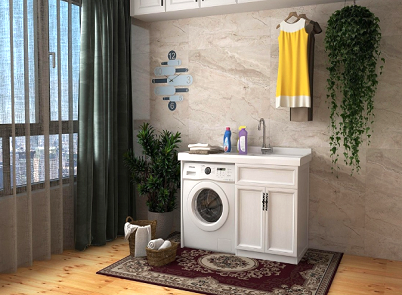
Laundry rooms tend to be locations prioritized only for washing and drying clothes, but they can fulfill so many more purposes with a bit of organization. Consider separating laundry supplies into different categories: detergents, softeners, stain removers, and dryer sheets. Use small bins or drawer units to keep these items in clear sight and easily accessible.
Setting up a cleaning supply station can be useful, as this allows you to store brooms, mops, and cleaning solutions all in one place while keeping your home tidy. To enhance the laundry room’s usability, think about incorporating foldable tables or shelving units where you can sort and fold clothes after washing. Some people even turn the laundry room into a multifunctional space that includes crafting or gardening supplies.
This illustrates how versatile such a hidden area can be with a little creative thought. Make your laundry room work harder for you by giving it more structured organization. Even the smallest changes can drastically improve your workflow and keep the area clutter-free.
The Storage War Zone of the Garage
Garages often end up as the ultimate storage war zone, where items go to disappear. Rather than existing as a holding space for discarded things, your garage can be efficiently organized to serve different functions.
Start by decluttering the area, sort items into keep, donate, and discard categories. Once that is done, designate sections for tools, gardening equipment, sports gear, and seasonal decorations. Utilizing wall-mounted racks can free up ground space while keeping items visible and within reach.
Vertical shelving units can accommodate less frequently used items, helping to declutter the garage floor. Hooks and pegboards are excellent for organizing tools, keeping them off surfaces, and ensuring they are readily available when needed. By finding suitable storage solutions, you turn your garage into a usable area rather than a catch-all for unneeded items.
Basement Storage
Many homes feature basements that often end up as a cluttered repository for rarely used items. To make the most of this often-overlooked space, begin by categorizing items, much like in the garage. Labeling bins or boxes can save time and prevent frustration when searching for particular items.
Consider implementing shelving or cabinets to streamline your storage solutions. This way, everything has its designated spot, making it easier to maintain organization.
Incorporating a workspace or hobby area in the basement can turn this space into something truly multifunctional. If your interests lean toward crafting or woodworking, you could dedicate a section of the basement to such activities with clean, organized storage for materials. By brainstorming creative uses for the basement, you can enhance its functionality and ensure it doesn’t solely serve as a storage area.
Under Furniture
Another often overlooked area is the space under furniture. Many tables, couches, and beds have space beneath them, providing an excellent spot for discreet storage. Under-bed storage can be useful for seasonal clothing, which is not needed throughout the year. Utilizing bins or rolling drawers can minimize clutter and maximize utility, making this space serve a much more effective purpose.
In living rooms, items like board games or extra blankets can live under the couch, creating a functional family space without cluttering the floor. It’s crucial to ensure that hidden spaces remain accessible and organized, as this ensures that the usefulness of the under-furniture area doesn’t inadvertently turn into another storage black hole.
The Overhead Opportunity of Attics
Attics often hold potential but tend to fall victim to haphazard storage. Storing items in sturdy, labeled bins can help combat the dust and potential damage that may arise from storing things in inappropriate containers. Vacuum-sealed bags can be advantageous for clothing or linens, maximizing space while protecting these items from elements or pests.
Consider creating designated zones for different categories within the attic, assisting in keeping everything organized. An organized attic can serve as an excellent extension of your living space, offering room for holiday decorations, historical keepsakes, or even hobby materials. Applying organization principles to attics can enhance their utility, turning them from mere storage areas into functional extensions of the home.
Many areas of the home are often brushed aside in the quest for organization. By targeting underutilized spaces such as under the stairs, in closets, garages, or even attics, substantial improvements in functionality can be achieved. Taking the time to assess and organize these hidden areas can dramatically enhance the quality of your living environment.