Hearing aids have come a long way. For decades, they were seen primarily as functional devices, bulky, obvious, and sometimes uncomfortable.
Technological advancements and thoughtful design have transformed hearing aids into sleek, discreet, and even stylish tools that improve both hearing and confidence.
Modern devices amplify sound and integrate seamlessly with daily life, offering features that cater to diverse lifestyles, environments, and personal tastes.
Understanding this transformation helps people feel more comfortable exploring hearing solutions and embracing the devices that best suit their needs.
From Bulky Devices to Sleek Designs
Early hearing aids were often large and visible, sometimes resembling small boxes worn behind the ear.
These devices prioritized function over comfort or appearance, which made many people hesitant to use them consistently.
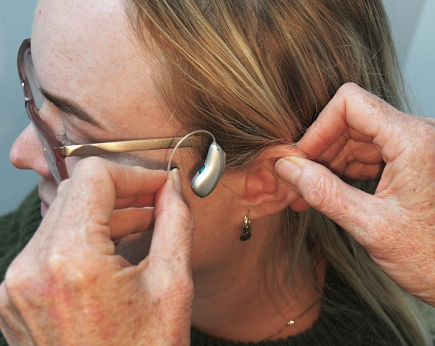
Modern hearing aids focus on ergonomics, discretion, and aesthetics. Tiny in-ear models and sleek behind-the-ear devices fit comfortably, often becoming virtually invisible.
In addition to size and style improvements, these devices are equipped with features like Bluetooth connectivity, rechargeable batteries, and adaptive sound processing. You can Visit Owl Hearing or a different clinic to explore a range of options that balance functionality with personal style. A professional audiologist can guide you toward models that match your hearing needs, lifestyle, and even color or design preferences.
Advances in digital technology have improved sound quality, reducing background noise and improving speech clarity. Some devices now offer smartphone apps for personalized adjustments on the go.
Advanced Technology for Better Hearing Experiences
Modern hearing aids are equipped with smart technology that significantly improves the user experience. Noise reduction systems, directional microphones, and automatic environment recognition allow devices to adjust sound settings in real time.
Users benefit from clearer conversations in noisy spaces, smoother transitions between different environments, and improved comprehension without extra effort.
Some devices sync with smartphones and other electronics, enabling streaming of calls, music, and media directly into the hearing aid. This seamless connectivity makes hearing aids not just a medical device, but a lifestyle accessory that complements the way people live and interact.
Customization and Personalization
Hearing aids are more adaptable than ever. Each user has unique hearing needs, and modern devices can be programmed to match individual hearing profiles. Audiologists work with patients to fine-tune settings based on factors such as:
* Specific frequency loss
* Daily activity patterns
* Preferred listening environments
* Comfort and fit preferences
This level of customization guarantees that hearing aids provide the most natural sound possible and remain comfortable for long-term use. Users have the option to choose colors, sizes, and shapes that blend with or complement their personal style.
Increased Comfort and Wearability
Comfort is a major part of modern hearing aids. New materials and design techniques reduce irritation and pressure points, allowing users to wear devices all day without discomfort.
Lightweight construction, soft silicone tips, and flexible ear molds contribute to an improved fit, and ventilation and ergonomic shapes minimize the feeling of occlusion that older devices often caused.
Comfortable hearing aids encourage consistent use, which is important for maintaining hearing health and maximizing the benefits of amplification.
Supporting Confidence and Social Engagement
For many people, hearing aids are more than just functional tools. They can improve confidence and social engagement.
Clearer hearing makes conversations easier, reduces stress in social situations, and allows users to participate fully in meetings, family gatherings, or public events.
Stylish designs help reduce the stigma historically associated with wearing hearing aids, making it easier for people to embrace the technology without feeling self-conscious.
Regular Maintenance and Professional Guidance
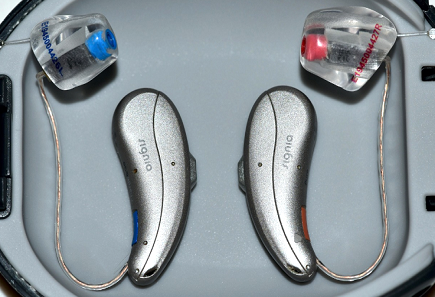
Even the most advanced hearing aids require care and attention to remain effective. Professionals recommend regular cleaning, battery management, and check-ups to guarantee optimal performance.
Visiting a qualified audiologist can help detect minor issues before they affect functionality, prolong device lifespan, and keep settings properly calibrated for changing hearing needs.
Here are key maintenance tips for hearing aid users:
* Clean earpieces daily with a soft, dry cloth
* Replace or recharge batteries as recommended
* Store devices in a dry, safe place when not in use
* Schedule regular check-ups with an audiologist
* Avoid exposure to excessive water or heat
Following these steps helps users enjoy consistent performance and maintain the comfort and style benefits that modern hearing aids provide.
The evolution of hearing aids demonstrates how technology, design, and personalization can converge to improve both function and lifestyle.
Modern devices are no longer purely practical; they are discreet, stylish, and highly adaptable to individual needs. From advanced sound processing to sleek, wearable designs, modern hearing aids support better hearing, confidence, and quality of life.
Whether you are new to hearing aids or looking to upgrade, exploring the available options with professional guidance guarantees the best combination of comfort, performance, and style.
Modern hearing aids are no longer just medical tools; they are a reflection of how technology can improve everyday life.