As winter sets in and temperatures drop, ensuring your home’s heating system operates at optimal performance becomes a top priority. Homeowners often face challenges when dealing with inefficient heating systems that can lead to unpleasant living conditions and skyrocketing utility bills. Fortunately, there are several steps you can take to enhance your home heating performance during the colder months. By implementing these strategies, you can create a more comfortable and energy-efficient environment for you and your family.
Checking and Replacing Air Filters
One of the simplest yet most effective steps you can take to improve your home’s heating performance is to check and replace the air filters regularly. Filters play a crucial role in your furnace’s operation by ensuring that the air circulating in your home is clean and free of dust and allergens.
When these filters become clogged, airflow is restricted, making your furnace work harder and less efficiently. A dirty air filter can cause your heating system to consume more energy, leading to higher heating costs and reduced comfort.
It’s recommended to inspect your air filters at least once a month, particularly during the busy heating season. If you notice any significant dirt or buildup, changing your filter promptly is vital. By maintaining clean filters, you extend the life of your furnace, allowing it to heat your home more effectively.
Conducting a Thorough System Inspection
Before the colder months, it is advisable to have a professional technician examine your furnace. To ensure maximum efficiency of the home furnace, you should conduct a thorough inspection of your heating system. During this inspection, the technician will check for any potential issues, including worn components, gas leaks, or malfunctioning thermostats. Catching these problems early can save you from costly repairs and outages in the future.
During the inspection, professionals often provide recommendations for maintenance practices specific to your heating system. Areas such as ductwork should also be checked, as leaks in ducts can significantly reduce heating efficiency. Even small leaks can lead to considerable heat loss, which can increase energy costs.
Sealing Ductwork and Insulation
A comprehensive approach to improving home heating performance includes sealing ductwork and ensuring your insulation is adequate. Ducts that carry heated air from your furnace throughout your home can sometimes develop leaks, leading to lost heat and uneven temperatures in different rooms. Sealing these leaks is crucial for maintaining consistent heating and maximizing efficiency.
Insulation plays a pivotal role in retaining heat within your home. Attic and wall insulation help maintain a comfortable environment by preventing heat from escaping.
Investing in high-quality insulation can greatly enhance your home’s heating performance. When temperatures drop, having adequate insulation can save you from feeling cold drafts and reduce your reliance on your heating system.
Programming Your Thermostat Wisely
Utilizing a programmable thermostat effectively is an easy way to manage your home heating without constant adjustments. With a programmable thermostat, you can set specific temperatures for various times during the day or week. Lowering the temperature during the night or when no one is home can lead to significant energy savings.
Many modern thermostats offer smart technology that allows homeowners to control their heating remotely. By adjusting your thermostat via a smartphone app, you can ensure that your heating system isn’t running when unnecessary. This level of control improves comfort and contributes to energy savings.
Utilizing Zoning Systems
If your home is particularly large or you have designated areas that require different heating levels, consider investing in a zoning system. These systems allow different areas of your home to be heated at varying temperatures according to their specific needs. With the use of dampers in the ductwork, zoning systems can direct heated air only to where it is needed, which prevents wasting energy heating unoccupied rooms.
Zoning systems improve comfort levels in homes with multiple floors or large open spaces. By ensuring that no energy is wasted on heating areas that do not need it, zoning systems can markedly enhance heating efficiency in a home, helping to achieve optimum comfort during winter months.
Adopting Energy-Efficient Heating Solutions
Many homeowners are turning to energy-efficient furnaces or alternative heating systems such as heat pumps or radiant floor heating. These systems consume less energy while providing comfortable heating during winter. It is important to do your research and find a system that best suits your home’s needs.
When looking into upgrading your heating system, always consider the energy ratings and how they compare with your current system. Transitioning to a high-efficiency unit could potentially lead to dramatic savings on energy bills, not to mention the reduced environmental impact. Make your choice based on specific needs to ensure that your new system works seamlessly to provide warmth effectively and efficiently.
Regular Maintenance is Key
Continuous maintenance is the backbone of enhanced home heating performance. Schedule regular check-ups with a qualified heating technician to ensure that your system is operating at peak performance. Many companies offer maintenance agreements that can help you stay on top of necessary inspections and prevent potential breakdowns.
Consistent maintenance ensures your system remains clean and tuned, allowing you to avoid major repairs and improve lifespan. Regularly maintained systems are generally more efficient and consume less energy, reducing heating costs throughout the winter. Being proactive rather than reactive can significantly improve how effectively your heating system works as the winter temperatures begin to have an impact.
Understanding Heating Needs
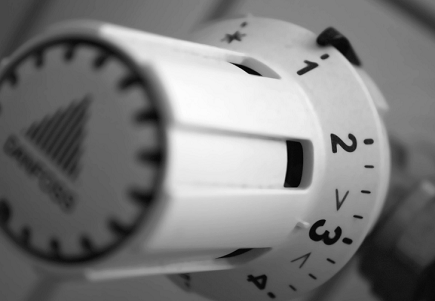
To optimize heating performance, understanding your specific heating needs is important. Take into account the size of your home, the number of occupants, and even lifestyle habits. If your household is frequently occupied during the day, adjusting your heating strategy may be beneficial to ensure comfort without unnecessary energy consumption.
Different areas of the home may have vastly different heating needs, depending on layout and usage. By understanding these factors, you can tailor your heating strategies effectively and ensure that your system works in harmony with your lifestyle. Continuous evaluation of your heating needs and performance leads to informed decisions that enhance overall comfort and efficiency.
Taking proactive steps to improve home heating performance during winter is vital for maximizing comfort while minimizing costs. From regular maintenance practices to considering energy-efficient upgrades, there are numerous strategies to implement. By prioritizing efficiency and understanding your home’s unique heating requirements, you can ensure a warm, welcoming environment throughout the chilly months. Explore these steps and significantly enhance your home’s heating experience this winter.