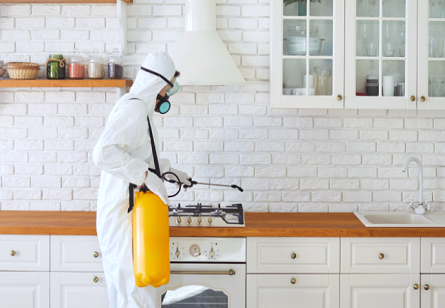
 Sure, chemical sprays drop bugs in seconds. But here’s the catch: they’re introducing significant complications in apartment buildings where ventilation systems and walls connect everyone. You share more than just a lobby with your neighbors. An increasing number of city residents question whether conventional pesticides justify the health concerns, particularly when children and animals spend hours on floors that’ve been recently treated.
This movement toward safer options isn’t some fad; it makes genuine sense if you’re exhausted from stressing about toxic remnants in your limited square footage. Today’s methods demonstrate that maintaining a pest-free urban dwelling doesn’t require aggressive chemicals.
Understanding Urban Pest Management Challenges in Modern Cities
Living in the city brings pest frustrations that people in suburban houses seldom encounter. Let’s break down why apartments and towering residential buildings need specialized pest control approaches before we dive into solutions.
Common Pest Issues Facing Urban Dwellers
High-rise structures face serious complications from waste management failures. When waste handling goes wrong, you get unpleasant smells seeping into homes, and garbage sitting in corridors or communal zones draws unwanted visitors like rats, cockroaches, and flies. You can’t dictate how clean your neighbors keep their space, which means a single cluttered apartment frequently sparks pest invasions throughout entire buildings.
Why Chemical Pesticides Fall Short in Urban Settings
Conventional pesticides pose specific hazards in tight urban quarters. When chemicals get sprayed in a single unit, they migrate through interconnected ventilation networks, potentially exposing numerous families to substances that could harm them. Children playing on freshly treated carpets or animals licking their paws after crossing sprayed surfaces encounter concentrated exposure dangers that detached homes simply don’t present.
Modern buildings often recirculate air, causing chemical fumes to linger longer than in well-ventilated structures. Additionally, runoff from multiple units can contaminate city water systems, raising environmental concerns.
The Growing Appeal of Green Pest Control Methods
Austin, Texas, has emerged as a leader in sustainable lifestyle choices, with locals showing heightened awareness about environmental wellness in their booming metropolis. The region’s distinctive weather patterns generate pest pressure throughout all seasons, making reliable management essential for pleasant living conditions.
Many Austin residents now turn to pest control austin experts who provide environmentally-conscious approaches specifically designed for the city’s warm and humid environment, delivering both powerful results and compatibility with Austin’s green philosophy. These gentler techniques perfectly match Austin’s environmental priorities while tackling the ongoing pest issues that accompany the area’s weather.
Natural pest control methods protect indoor air quality and work with your building’s ecosystem. Safe for communal areas, rooftop gardens, and balcony plants, they let city dwellers maintain green spaces without worry
Essential Natural Pest Control Solutions for City Living
We’ve examined urban complications, so now let’s look at actionable, sustainable pest control strategies that genuinely perform in restricted areas.
Plant-Based Repellents for Small Spaces
Specific herbs naturally push away typical pests while fitting beautifully on windowsills or compact balconies. Basil sends flies and mosquitoes packing, mint discourages ants from entering, and lavender keeps moths and fleas at bay. These plants serve dual purposes: they enhance your cooking and safeguard your home.
Essential oils deliver concentrated pest-fighting benefits in cramped apartments. Peppermint oil blended with water makes an excellent spider barrier. Lemon eucalyptus handles mosquitoes effectively, and tea tree oil manages various insect types. You’ll be amazed at how much coverage you get from just a few drops in smaller urban homes.
Smart Technology for Modern Urban Homes
Ultrasonic devices can repel pests with high-frequency sound but work best as a supplement, not a standalone solution. UV light traps with non-toxic lures efficiently capture flying insects without chemicals.
Smartphone pest ID apps help identify pests accurately and often recommend eco-friendly treatments tailored to your home
DIY Eco-Friendly Pest Control Recipes for Urban Homes
Ready to mix your own solutions? These straightforward formulas use components you likely have in your pantry already.
Multi-Purpose Natural Sprays
Vinegar-based mixtures perform surprisingly well against ants and fruit flies. Combine equal portions of white vinegar and water in a spray container, throwing in several drops of dish soap for adhesion. Apply directly onto pests and along their pathways. The odor fades fast, yet insects absolutely detest it.
Peppermint oil mixture serves double duty as a spider deterrent and a mouse repellent. Blend 10-15 drops of peppermint essential oil with water in a spray bottle. Target entry points, corners, and wherever you’ve seen pests appear. Reapply weekly for ongoing defense.
Non-Toxic Traps You Can Make Today
Fruit fly catchers using apple cider vinegar are absurdly successful. Pour about an inch of vinegar into a jar, add one drop of dish soap, then cover with plastic wrap held by a rubber band. Punch tiny holes in the covering. Flies get in but can’t get out.
Baking soda combined with powdered sugar produces a harmless roach bait. Roaches can’t tell the sugar apart from the baking soda, but the soda wrecks their digestive processes. Position small quantities in bottle caps near trouble spots, keeping them away from pets.
Common Questions About Natural Urban Pest Control
How effective is eco-friendly pest control compared to chemical pesticides?
Eco-friendly methods take a bit longer but are just as effective, offering long-term pest control without chemical resistance
What’s the fastest natural solution for a sudden apartment pest infestation?
Diatomaceous earth works quickly on crawling pests; adhesive traps with natural lures help with flying insects. Always remove the source of attraction
How can I prevent pests when my neighbors have infestations in a shared building?
Seal entry points, use door sweeps, and maintain slight positive air pressure. Encourage building-wide sustainable pest control
Final Thoughts on Urban Pest Management
Eco-friendly pest control delivers effective results while protecting your health, especially in shared urban buildings. Start with DIY methods, invest in prevention, and call certified professionals when needed. These safer approaches keep your home pest-free without the risks of traditional chemicals.