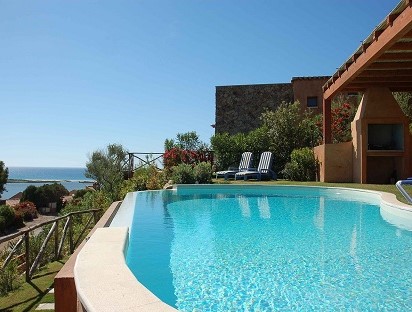
 Building a pool near the coast feels like a dream. Waves in the distance. Fresh air. A backyard oasis that feels like a retreat. The challenge comes when strong winds, flying sand, and salty air start influencing design decisions. A pool built without considering coastal weather often leads to extra maintenance. Tiles chip. Surfaces corrode. Debris fills the water every time a storm rolls in. The good news is that thoughtful planning prevents those issues. When the pool is designed to work with the environment rather than fight against it, the experience changes completely.
Start With Site Orientation
Where your pool sits on the property makes a huge difference. Start by looking at natural wind patterns. Are the strongest winds coming from the ocean side. Are there tall trees or existing buildings that block gusts. Positioning the pool so that a structure or landscaping breaks the wind reduces debris and keeps the water calmer. Many homeowners assume the pool should sit close to the property edge to maximize ocean views. Instead, consider placing the lounging areas close to the view and shifting the pool slightly where it gains shelter. The placement still protects sightlines while giving the water a calmer environment.
Invest in Wind-Tough Materials
Coastal environments can wear down materials faster than inland climates. Salt, moisture, and high winds create a constant cycle of impact. Choose materials built to withstand this environment from the start. Pebble and aggregate interior finishes handle saltwater exposure far better than standard plaster. Stainless steel or powder-coated furniture keeps its finish longer than untreated metal. For coping and deck surfaces, select durable stone like travertine or porcelain that resists heat, moisture, and cracking. Quality materials add protection. They also reduce the long-term cost of pool ownership because you spend less time repairing damage caused by the climate.
Add Wind Protection Without Blocking the View
Many homeowners worry that adding a wind barrier will interrupt the panoramic view. There are attractive design options that solve both problems. Glass windbreaks offer a clean, modern look that feels invisible from inside the yard. They reduce gusts across the pool surface and prevent sand from blowing into the water. If you prefer more privacy, a combination of tall hedges, native grasses, and vertical screening plants can create a natural wind buffer. Position them strategically behind lounge areas or along the wind-facing side of the pool. The goal is not to wall off the yard. The goal is to guide the wind upward and away from the pool.
Choose the Right Pool Shape for Windy Zones
Certain pool shapes experience more turbulence when the wind is strong. Pools with long straight edges tend to funnel wind across the surface. Rounded corners and curved layouts help the wind disperse. Freeform shapes also allow the builder to place deeper sections and tanning ledges in locations that stay more protected. By shaping the pool to the environment, you reduce water loss from evaporation and minimize surface disruption. A calm water surface looks better, feels better, and stays cleaner.
Include a Covering Strategy From the Start
Pool covers in coastal areas are not optional. They are essential. A durable automatic cover protects the water from sand and storm-blown debris. It also slows evaporation and helps retain heat on cooler, windy nights. For homeowners who prefer a more open design, a retractable pergola, shade sails, or a pavilion near the pool can serve as an extra layer of protection. A covered space provides shelter on especially gusty days and creates an inviting place to relax, even when the wind picks up.
Plan for Smart Drainage and Equipment Placement
Coastal storms bring intense rain. A pool that lacks proper drainage can overflow or push debris into the landscaping. Work with your builder to design directional drainage away from the pool shell. Strategically placed catch basins or trench drains help the yard handle sudden downpours. Equipment placement matters too. Salt air can corrode metal quickly. Placing pumps, heaters, and filtration units inside a small utility enclosure protects them from wind and moisture. This simple choice extends the lifespan of expensive equipment.
Use Landscaping as a Functional Shield
Landscaping works as both framing and protection. Native plants adapted to coastal wind patterns hold their form and require less maintenance. Tall grasses like Miscanthus or Muhly Grass filter gusts without stopping airflow completely. Palm trees provide height without creating heavy leaf debris. If privacy is part of your goal, add coastal shrubs like wax myrtle or pittosporum along the property’s edge. Your pool area will look lush and intentional, not overgrown or cluttered. Each plant becomes a part of the wind management plan.
A Coastal Pool Built to Endure
Building a pool in a windy or coastal region requires a different mindset. Rather than designing the pool first and problem-solving later, start by understanding the environment. Use the wind direction, landscape, and structural elements to your advantage. Choose resilient materials. Add wind protection that still elevates the beauty of the space. If you are looking for pools in Louisville, KY, there are contractors who can help. When every element works together, the pool becomes effortless to maintain. You spend less time skimming debris from the surface and more time enjoying the water. A pool designed for coastal weather lets you enjoy the best parts of ocean living, without the stress that wind and storms normally bring.