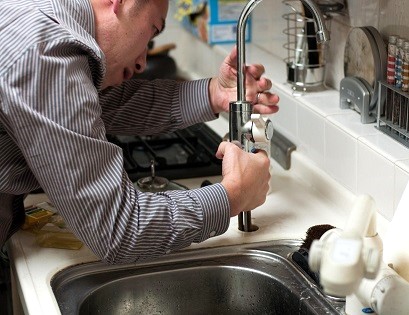
 A dripping faucet or slow drain might not seem like a big deal — until it suddenly is. Many homeowners tend to ignore small plumbing issues, assuming they’ll fix themselves or can wait for another day. But behind those subtle signs could be the start of something much bigger: water damage, mold growth, or costly repairs.
The truth is, most major plumbing problems don’t appear overnight; they start quietly, giving you warning signals that are easy to miss. Recognizing these early can save you from expensive headaches later on.
So, before that “minor leak” turns into a flood or a sky-high water bill, here are a few silent signs your plumbing system might be trying to get your attention.
1. Slow Drains Are Alarming
If your sink or shower takes longer to drain than it used to, it’s more than just an inconvenience. Slow drainage is often the first sign of a blockage forming deeper in your pipes. What starts as a simple clog can eventually cause backups, burst pipes, or even damage to your sewer line.
Common causes of slow drains include:
* Buildup of grease, soap, or hair inside the pipes.
* Tree roots are invading underground lines.
* Mineral deposits restrict water flow.
Instead of relying on harsh chemical cleaners (which can corrode pipes over time), try a natural enzyme drain cleaner or have your plumbing lines professionally cleaned. Acting early can prevent more serious issues like pipe corrosion or sewage backup.
Pro tip: If multiple drains are slow at once, the problem might be in your main sewer line — and that’s a job best left to professionals.
2. Low Water Pressure Means Hidden Trouble
When your shower trickles instead of flows, it’s tempting to brush it off. But low water pressure often hints at bigger plumbing problems lurking beneath the surface. It might mean your pipes are clogged, leaking, or even deteriorating with age.
Hence, if you’re constantly searching online for a plumber near me to “just fix the pressure,” it’s worth taking a closer look. Beyond basics, local professionals like those at WM Plumbing can diagnose whether the issue stems from a leak, corrosion, or pressure regulator problem — saving you from future water damage or mold buildup.
Other signs to watch for alongside low pressure:
* Uneven water flow between hot and cold taps.
* Rust-colored water or metallic taste.
* Damp spots on walls or ceilings.
Low water pressure might seem harmless now, but over time, it can indicate serious pipe issues that compromise your home’s structure and safety.
3. Strange Noises in Pipes
Gurgling sinks, banging pipes, or whistling sounds when you turn on the faucet — your plumbing system could be trying to tell you something. These sounds usually mean air or pressure imbalances inside your pipes, and ignoring them might lead to more damage.
Here’s what those noises might mean:
* Banging or “hammering”: Sudden pressure changes causing pipes to shake — often fixed with a water hammer arrestor.
* Gurgling: Air trapped in drains due to partial clogs or venting issues.
* Whistling: Faulty valves or mineral buildup restricting water flow.
If you hear these noises frequently, don’t wait. Vibrating or knocking pipes can loosen joints, leading to leaks behind walls or under floors. Fixing it early can prevent structural damage — and stop your home from sounding like a haunted house.
4. Subtle Signs of Leaks You Might Be Missing
Not all leaks are obvious. Some start small and slowly worsen over time. These are the ones that do the most damage because you often don’t notice them until it’s too late.
Watch out for these hidden warning signs:
* Unexpected water bill spikes: A clear sign of continuous water loss.
* Moldy or musty odors: Indicate moisture trapped in walls or flooring.
* Peeling paint or bubbling wallpaper: Water damage behind the surface.
* Warm spots on floors: Possible slab leak under the foundation.
If any of these show up, don’t wait to investigate. Hidden leaks can weaken your home’s structure, rot wood, and attract pests like termites. A professional inspection can locate the source using moisture sensors or thermal cameras, pinpointing the problem before it gets out of hand.
Conclusion
Plumbing problems rarely appear out of nowhere. The slow drain, odd pipe noise, or sudden dip in water pressure you’ve been ignoring could be your home’s way of asking for help. Catching these silent signs early isn’t just about saving money; it’s about protecting your comfort, health, and peace of mind.
If something doesn’t sound, smell, or drain right, trust your instincts and call a professional. Reaching out to experienced local experts can help diagnose and fix the issue before it becomes a major headache. Because when it comes to plumbing, a little attention today can prevent a whole lot of water — and worry — tomorrow.