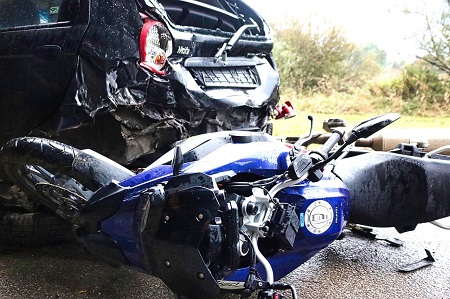
 A motorcycle crash can flip your day upside down in seconds. One moment you’re coasting down the road; the next, you’re disoriented, your heart racing, and your mind struggling to process what just happened.
Motorcycle accidents are more common than most people realize — especially in Frisco, Texas, where growing traffic and expanding suburban roads make conditions unpredictable for riders. And while safety gear helps, nothing truly prepares you for the shock of a collision.
Knowing exactly what to do afterward can protect not only your health but also your legal rights. Here’s a calm, clear breakdown of the steps every rider should take after an accident.
Step 1: Check for Injuries and Move to Safety
First things first — don’t rush to get up or move too quickly. After a motorcycle crash, adrenaline can mask pain, making it hard to tell how injured you are.
Take a deep breath and assess:
* Can you move your arms, legs, or neck without severe pain?
* Is there bleeding, dizziness, or blurred vision?
* Are others around you hurt or calling for help?
If anyone is injured, call 911 right away, as even minor crashes can cause serious hidden injuries. Don’t try to move anyone yourself; let paramedics handle it. If you can, move yourself and your bike out of traffic to avoid further accidents. Turn on your hazard lights or set up a visible marker. Safety takes priority—photos and insurance details can wait.
Step 2: Contact Law Enforcement and Get an Official Report
No matter how small the accident seems, always call the police. Their report provides an unbiased record of what happened — something insurance companies and lawyers rely on heavily later.
When officers arrive, stick to the facts: where, when, and how the crash occurred. Avoid making assumptions about fault or apologizing unnecessarily — those statements can be taken out of context later.
Before leaving the scene, ask for the officer’s name, badge number, and the report number. This simple detail will save hours of hassle when it’s time to follow up.
Step 3: Document Everything You Can
Once everyone’s safe and help is on the way, start gathering evidence.
Use your phone to photograph:
* Vehicle positions and damage
* Road conditions, skid marks, or debris
* Visible injuries (even small bruises)
* Traffic signs, intersections, and weather conditions
If any bystanders witnessed the crash, politely ask for their names and contact information. Independent statements can be crucial if the other driver disputes your account.
Also, keep a record of anything related to the incident — towing fees, emergency visits, repair estimates and even temporary transport costs. These small details add credibility to your claim later.
Step 4: Seek Medical Attention, Even If You Feel “Fine”
Many motorcycle injuries don’t appear immediately. Whiplash, concussions, and soft-tissue trauma can take hours or even days to fully surface.
Visit an ER or urgent care center as soon as possible and tell them you were in a motorcycle accident. Request a thorough examination — X-rays or imaging may catch issues you don’t feel yet.
Medical documentation becomes the foundation of your insurance or legal claim. Keep every record: hospital reports, prescriptions, therapy notes, and receipts. They show consistency and help establish that your injuries came directly from the crash.
Step 5: Contact a Legal Professional Before Dealing With Insurance
Once you’ve addressed your immediate medical needs, consider getting legal guidance — especially before you speak to an insurance adjuster.
Insurers often reach out quickly, sometimes within hours, hoping you’ll make statements that reduce your payout. Having a motorcycle accident lawyer in Frisco from a trusted local firm like McCraw Law Group ensures you’re protected from early missteps.
An experienced attorney can gather crash evidence, communicate with insurers, and calculate fair compensation for both visible and long-term injuries. Local knowledge also matters — understanding how Texas’s comparative fault rules work can make a real difference in your case.
The same is true for riders in other states. Arizona, for example, has its own set of traffic laws and insurance requirements that can affect how your claim is handled. Motorcyclists injured in the Phoenix metro area often reach out to a Peoria, AZ, motorcycle accident lawyer who knows the ins and outs of Arizona’s legal system. No matter where you ride, having someone local in your corner helps level the playing field against big insurance companies.
Professional legal support gives you room to focus on healing, not paperwork and negotiations.
Step 6: Notify Your Insurance Company (Carefully)
After consulting with your lawyer, notify your insurer about the accident. Provide only the basic facts — the time, location, and parties involved.
Avoid recorded statements or speculation about fault until you’ve reviewed the situation with your attorney. Small wording mistakes can come back to haunt you.
If your motorcycle is damaged, wait until the insurer or an approved mechanic assesses it. Don’t accept or authorize any repair quotes until you have proper documentation and clarity on coverage.
Step 7: Keep a Record of Your Recovery
Healing from a motorcycle accident isn’t just physical — it’s emotional, too.
Keep a daily recovery journal that tracks:
* Pain levels and movement limitations
* Missed workdays or lost income
* Doctor visits and therapy appointments
* Emotional changes (stress, anxiety, or sleep issues)
This log adds personal weight to your claim. It shows how the crash affected your life beyond bills and numbers — something courts and insurers often underestimate.
Final Thoughts
A motorcycle accident can change more than your routine — it can challenge your sense of safety, control, and independence. But with the right steps, you can navigate recovery without chaos or confusion.
Get medical help, document everything, and seek professional advice before dealing with insurance.
If you’re in Frisco or nearby Texas communities, having reliable local support can make your path to recovery smoother and fairer. Because when it comes to healing, protecting your rights is part of protecting yourself.