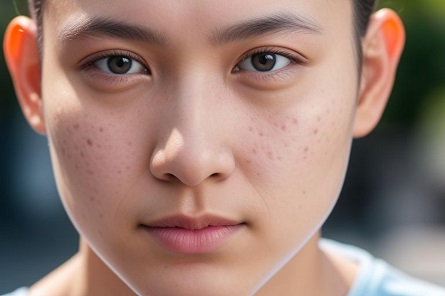
 With all the beauty and skincare products on the market, including mens natural face wash, achieving brighter and smoother skin is easier than ever. For some people, however, persistent acne just won’t go away despite all efforts. If you’re experiencing the exact same thing, you might have what is called hormonal acne.
The Truth About Acne and Your Gender
It’s a common misconception that acne is associated with puberty, and you eventually get rid of it as you mature. Unfortunately, they persist beyond teenage years, and an adult having acne can be problematic.
Men and Acne
Persistent acne in men is usually triggered by abnormal hormone levels. An overproduction of testosterone results in thick and oily skin, which is the perfect breeding ground for breakouts.
* Testosterone causes the sebaceous glands in men to be more active, leading to clogged pores.
* Beard and other facial hair can trap oil that bacteria feed on. These bacteria can cause acne or worsen existing acne and pimples.
* Men are also prone to having acne on various parts of the body: chest, shoulders, upper arms, and back.
* Sweat and excessive sweating can also trigger or worsen acne, which spells bad news for men who love to hit the gym regularly.
* One of the side effects of muscle growth enhancers and anabolic steroids is acne that often leaves scars.
What Causes Hormonal Acne?
Acne and breakouts brought on by hormonal imbalance affect both women and men. Studies show that the number is higher in women than in their male counterparts. Nevertheless, men who are affected experience negative impacts on different aspects of their lives.
* Testosterone imbalance: As previously mentioned, an overproduction of the male hormone can exacerbate acne and breakouts. Excess sebum, bacteria, and dead skin cells all combine to create an acne-triggering concoction. Not only that, but hormonal fluctuations are also a significant contributor to hair thinning or loss.
* Stress: As a way to combat stress, your body produces more hormones that may increase sebum production, the one thing your acne needs to worsen. This is where proper stress management helps in the prevention of hormonal acne.
* Lifestyle: Staying up late, not sleeping enough, not eating a balanced diet, and taking hormone-altering substances can lead to hormone-triggered acne.
* Genetics: Your acne-prone skin may have been passed down from your parents. If either your father or mother or both have acne, you might hit the jackpot and get it too. Your genetic makeup dictates your skin type and the cell receptors’ density and sensitivity to testosterone. Even with normal testosterone levels, your receptors may be more receptive to the hormone’s effects, including acne.
How Do You Prevent or Manage Hormonal Acne?
While there are some causes that you can’t control, such as fluctuations in hormonal levels, family history, and pre-existing medical conditions, there are those that you can do something about.
* Eat a well-balanced diet and avoid processed foods and sugary drinks.
* Practice stress management techniques, such as meditation and deep-breathing exercises, to prevent or minimise hormonal imbalance.
* Stay on top of your skincare routine recommended for your type of skin and any treatments designed to help with breakouts.
Acne in men, particularly caused by hormonal imbalance, can be problematic, especially if it leaves visible scarring on your face. By understanding the underlying cause and how to deal with those factors that you can control, achieving a clear skin is more than possible. Start your journey with organic skincare products from Organic for Men.