 Noticing a birthmark on your child’s skin or even your own can bring a mix of emotions. At first, it might seem like a harmless spot, but when it changes color, grows, or appears in a sensitive area, concern naturally follows. These marks, known as vascular birthmarks, are more common than many realize, especially in NYC, where specialists see them often. They usually appear at birth or shortly after and can vary in size, shape, and color.
While most are harmless, some can affect nearby tissues or cause discomfort. The good news is that modern medicine offers safe, precise treatments for nearly every kind of vascular birthmark. Understanding what they are and how they’re treated can help you make informed, confident decisions about care.
What Exactly are Vascular Birthmarks?
Vascular birthmarks form when blood or lymphatic vessels develop differently before birth. They can appear as red, purple, or bluish patches, sometimes raised and sometimes flat. Some fade over time, while others may persist or slowly grow.
There are two main types to know about:
* Vascular tumors, such as infantile hemangiomas, often appear a few weeks after birth. They grow rapidly for several months and then usually begin to shrink naturally.
* Vascular malformations, like port-wine stains, venous malformations, lymphatic malformations, and arteriovenous malformations (AVMs), are present from birth and tend to grow in proportion with the child.
While many vascular birthmarks cause no harm, some can affect surrounding tissues or vital functions. Depending on their size and location, they may interfere with breathing, vision, or feeding in infants. Others might cause pain, swelling, or emotional distress due to their visibility. For these reasons, early evaluation by a qualified specialist is always recommended.
How They Can Be Treated Safely
Although vascular birthmarks can seem intimidating at first, the reassuring truth is that safe, specialized care is easier to access than ever. Many clinics now focus entirely on these conditions, offering support from trained surgeons, dermatologists, and interventional experts who combine medical skill with a gentle, patient-centered approach.
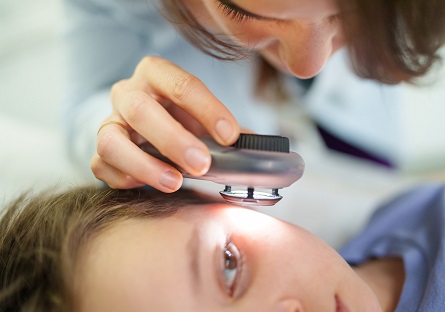
As explained by the expert vascular surgeons in NYC, Vascular Birthmark Institute, treatment usually begins with an in-depth evaluation. During this stage, specialists carefully examine the birthmark and use imaging methods such as ultrasound or MRI to understand its structure and depth. This step allows them to determine whether the mark is a tumor or a malformation and decide on the most suitable form of therapy.
Once that foundation is set, they then design a customized plan tailored to the individual’s age, health, and goals.
Common Treatments Used by Specialists
Treatment options depend on the type and behavior of the birthmark. Some require only observation, while others benefit from medical or procedural intervention. Specialists may use one or a combination of the following approaches:
* Medication: Drugs like propranolol are often prescribed to slow the growth of infantile hemangiomas and encourage natural fading.
* Laser therapy: Pulsed dye lasers are commonly used to lighten port-wine stains and improve skin texture. Sessions are typically quick and require minimal recovery.
* Sclerotherapy: For venous or lymphatic malformations, specialists inject a safe solution that causes the affected vessels to shrink and collapse over time.
* Embolization: Used for high-flow malformations, this technique blocks abnormal blood flow before surgery, making procedures safer.
* Surgical resection and reconstruction: Some complex birthmarks require removal followed by reconstructive procedures to restore appearance and function.
Each treatment is designed with precision and performed under the safest conditions possible. Advances in imaging, anesthesia, and minimally invasive tools have made modern vascular birthmark treatment both safer and more effective than ever before.
Choosing the Right Provider for the Treatment
Finding the right specialist can make all the difference when dealing with a vascular birthmark. The right provider combines technical skill, communication, and compassion to create a comfortable and trusting environment.
Here are a few things to look for when selecting a provider:
* Specialized training: Choose a doctor or surgeon with specific experience in vascular anomalies, not just general dermatology or cosmetic procedures.
* Multidisciplinary support: The best clinics bring together experts from different fields—vascular surgery, dermatology, radiology, and reconstructive care—to ensure every angle is considered.
* Advanced technology: Modern imaging tools , laser systems, and minimally invasive options are signs of up-to-date and safe practice.
* Clear communication: A good provider explains diagnosis, treatment options, and recovery steps in detail, encouraging questions and setting realistic expectations.
* Proven results: Look for case studies, before-and-after photos, or patient reviews that demonstrate consistent, safe outcomes.
When you meet a specialist, trust your instincts. A confident, transparent provider will make you feel informed and supported from the very first consultation.
Wrapping Up
Vascular birthmarks can feel concerning at first, but with today’s advanced technology and expert guidance, treatment is both safe and highly effective. What once seemed permanent or complex is now manageable through the right combination of diagnosis, planning, and care.
Centers like the Vascular Birthmark Institute show how expert collaboration, cutting-edge tools, and compassionate communication can completely transform the experience for patients and families. With the right specialists, every step—evaluation, treatment, and recovery—leads to comfort, confidence, and renewed peace of mind.