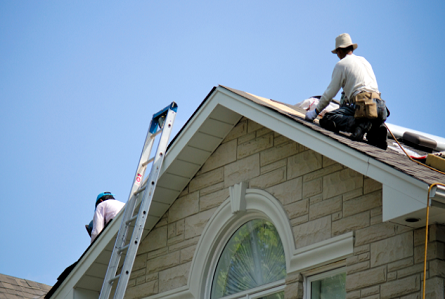
 Replacing a roof is one of the biggest investments a homeowner can make and it’s rarely as simple as swapping old shingles for new ones. From the type of materials you choose to the labor that brings everything together, each element plays a major role in the final cost.
Understanding where your money goes helps you plan better, avoid surprises, and ensure you’re getting the best value for your budget. In this blog, we’ll break down the key factors that add up in a roof replacement project, so you can make informed decisions with confidence.
Where Your Roofing Budget Really Goes
Think roofing costs are straightforward? Think again. There are three main areas where your investment goes and each one can quietly grow more than expected if you’re not careful.
Materials
Those shingles may steal the spotlight, but they’re only part of the story. The real strength of your roof comes from what lies beneath: things like underlayment, flashing, and proper ventilation. They may not be glamorous, but skipping them can lead to leaks, poor insulation, and costly damage later on. When asking for estimates, make sure contractors include these essentials, not just the visible layers.
When homeowners ask, how much will a new roof cost?, the answer depends on several factors, from the type and quality of shingles to underlayment, flashing, and ventilation systems that ensure long-term durability. More homeowners today are choosing sustainable roofing options for both performance and peace of mind.
Labor
Labor is another major factor that shapes your overall roofing investment. The complexity of your roof’s design: think steep slopes, multiple levels, or intricate layouts, directly affects the time and skill required. Experienced roofers bring craftsmanship that ensures durability and safety, while location and season can also influence costs and timelines.
For example, peak-season projects often move faster but come with higher demand, whereas off-season work can offer more flexibility, though with a few weather-related risks.
Think roofing costs are straightforward? Think again. You’ve got three main buckets where your cash disappears, and each one has its own sneaky ways of growing bigger than expected.
When Severe Weather Pushes You Toward Roof Replacement
Planning a roof replacement on your own schedule is one thing: having a storm force the decision is a whole different story. Weather damage can quickly turn what seems like a small repair into a full roof replacement.
Hail may leave only minor-looking dents, but those dents weaken shingles and can lead to leaks over time. Wind damage can be just as tricky, often hiding problems that aren’t visible from the ground, so a professional inspection is essential.
Temporary measures like emergency tarping can protect your home from immediate water damage, but they’re only a stopgap solution. In many cases, addressing weather-related damage fully is the smarter, longer-term choice.
Timing matters too. Spring is the busiest season for roof work, while winter can offer more flexibility, but with potential weather delays and challenges that affect material and labor quality. Knowing how the seasons impact your roof replacement can help you plan more effectively.
Smart Money Moves for Your Roof Project
Whether storm damage forced your hand or you’re planning ahead, smart financing strategies can seriously reduce your total investment. These moves transform a major expense into a manageable financial decision.
Paying in full can sometimes offer small savings, while financing helps protect your emergency funds for unexpected needs. Options like home equity loans often provide better terms than contractor financing, though they may involve additional steps or paperwork. Depending on your situation, insurance might cover a significant portion of your replacement, especially when weather damage is involved.
Choosing energy-efficient materials can also open the door to potential tax incentives or rebates. You can stretch your investment further with a few smart moves.
For example, bundling exterior projects like replacing gutters or siding at the same time can help lower overall labor costs. Purchasing materials directly or scheduling your project during slower seasons may also help you strike the best balance between cost, quality, and timing.
Maintenance: Your Secret Weapon Against Premature Replacement
Smart budgeting doesn’t end with installation. Strategic maintenance can delay your next replacement by 5-10 years. Following solid roof maintenance tips for homeowners: regular inspections, gutter cleaning, debris removal represents thousands in avoided costs.
Regular inspections can prevent small problems from turning into major emergencies. Simple upkeep like cleaning gutters, removing debris, and checking flashing helps you spot issues early, while addressing minor leaks promptly avoids more extensive damage down the road.
Your Seasonal Roof Care Plan
Spring: Assess any damage from winter and clear out gutters after debris season.
Summer: Check for heat-related wear and ensure proper ventilation during peak stress periods.
Fall: Prepare for winter with thorough gutter cleaning, debris removal, and weatherization checks.
Winter: Keep an eye out for ice or snow buildup, ensure proper attic insulation and ventilation, and address any visible damage promptly to prevent worsening issues.
These routine maintenance steps may take a little time each year, but they can significantly extend the life of your roof and reduce the need for unexpected repairs.
FAQ
What’s the biggest cost surprise?
Hidden structural repairs discovered during tear-off often add $2,000-$5,000 unexpectedly. Always budget for contingencies.
Should I replace before winter?
Winter replacement saves 10-20% on labor but risks weather delays. Material costs stay stable year-round.
How accurate are contractor estimates?
Professional estimates typically fall within 10-15% of final costs unless structural surprises emerge during tear-off.