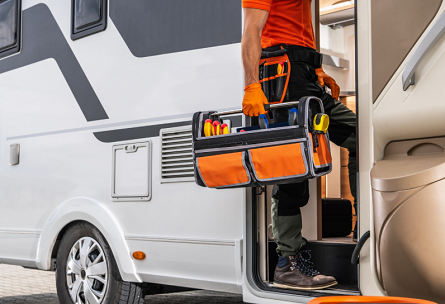
 Every RV needs attention before a trip. Regular upkeep keeps travel safe, prevents breakdowns, and helps each part of the vehicle last longer. Many small issues only reveal themselves once the miles start adding up. A quick inspection and a few smart repairs can save you from delays and unexpected costs later. Here are eight areas that deserve a closer look before you turn the key and head out.
1. Brakes and Bearings
Brakes are your main line of defense on the road. Pads and rotors wear faster when an RV hauls more weight, especially on steep routes. Strange noises, longer stops, or uneven pulling often mean the system needs work. Bearings also take a lot of stress. They let your wheels roll freely and keep friction low. Worn bearings can seize and cause serious damage. Fresh grease and seals make a big difference. In places that handle caravan repairs Ipswich, a brake and bearing inspection is a common part of any pre-trip service. RV owners in other regions can ask their local shop to include it in their own checklist.
2. Electrical System Work
A solid power setup keeps an RV comfortable and safe. Weak batteries, corroded wires, or failing fuses can shut down key systems. Regular electrical system work involves testing battery voltage, checking lights, and tightening loose connectors. It’s smart to clean terminals and confirm that the converter and inverter both function as they should. Problems left untreated can affect lighting, charging, or even appliance performance. Spending a short time checking power connections can save you long hours waiting for help on the road.
3. Roof and Seal Repairs
The roof takes the worst of the weather. Sun, tree sap, and road vibration all wear down sealants around vents and edges. Even a hairline crack lets in moisture that spreads under the surface. Regular roof inspections prevent that slow damage. Look for peeling or bubbling caulk, then clean and reseal problem spots. Replacing cracked vent covers or skylights also keeps interior panels dry. Water damage moves fast once it starts, and most of it hides behind walls where it’s hard to reach later.
4. Tires, Alignment, and Suspension
Good tires affect the entire driving experience. Check trailer tires for even wear, bulges, and correct air pressure. Underinflated tires heat up quickly, which can cause blowouts. An alignment test keeps the RV tracking straight, while suspension checks confirm shocks and springs handle bumps evenly. Loose bolts or worn bushings can change how the RV feels when turning or braking. Handling these items before travel keeps things steady on long stretches of highway.
5. Engine and Transmission
Engines and transmissions are expensive to fix, but small habits keep them reliable. Frequent oil changes prevent buildup that shortens engine life. Watch for leaks around the filter or pan. Transmission fluid should look bright and smell clean. Slipping gears or harsh shifts mean it’s time for inspection. Professional transmission repairs at a trusted RV service center can correct problems early. Keeping fluids fresh is one of the cheapest ways to avoid bigger failures.
6. Hitching Installations and Leveling Systems
Secure towing starts at the hitch. Loose connections or worn pins create real risks on uneven ground. Shops that handle hitching installations can verify load ratings and help balance the setup between the tow vehicle and trailer. Leveling gear matters too. Hydraulic or electric leveling systems should extend smoothly without jerks or leaks. A noisy pump or uneven lift often means a seal or valve issue. These are small repairs that protect both the frame and the interior furniture from twisting stress.
7. Interior Comfort and Appliances
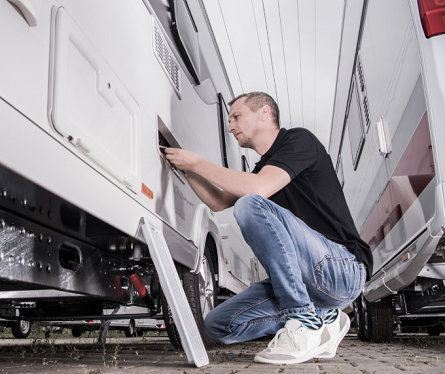
Interior systems are what make RV life feel like home. Check refrigerators, stoves, and heaters for proper ignition and airflow. Cleaning vents improves efficiency and safety. Some travelers invest in appliance upgrades for better performance and lower power use. Replacing worn seals on fridge doors or tightening loose fixtures prevents energy waste. It’s also a good time to wipe down air filters, test smoke detectors, and confirm the water heater’s pressure valve still works.
8. Inspections, Repairs, and Support Services
A complete check before travel pulls all these details together. Routine RV inspections cover everything from wheel torque to propane systems. Mechanics can also handle collision services if any panels show cracks or dents. On-the-go repairs are simpler now thanks to mobile RV technicians who visit campgrounds or storage yards. They can handle repair solutions such as wiring issues or door alignment. Extended coverage through extended warranties can also help if you often travel long distances. Reliable customer service from your repair team makes maintenance less stressful. Regular RV maintenance keeps every trip safer and smoother for years to come.
Conclusion
A short list of repair checks prevents long-term trouble. Brakes, electrical systems, tires, and engines all deserve regular attention. Roof seals, hitches, and interior systems round out the set. Addressing small issues at home or with your preferred shop builds confidence before the first mile. It’s a simple preparation that keeps your focus on the road ahead, not the next repair stop.