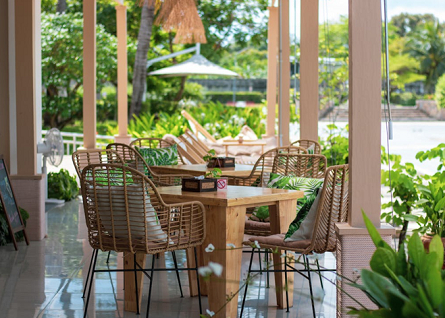
 Furniture is not only a decoration. What seat to sit on also influences comfort, style, and planet. Even minor decisions can have a tremendous impact when considering eco-friendly living.
In order to find seating that fits your lifestyle and is also respectful of the environment, you have to go beyond the looks. Green seating is based on materials, durability, and more intelligent decisions.
These are the top 10 ways you can pick to make a better selection when choosing your next seat.
1. Start With Durable Materials
Durability should always be the first thing. The cheap plastic chairs might appear fine at first look but they are prone to cracking and wearing. When they break, they are usually disposed of in a landfill.
Green seats are produced using materials that can be used on a day-to-day basis. Examples of good ones include good wood, recycled plastic and metal. Metal swivel bar stools are a wonderful option in this case – it is made of steel, it is durable, and can be recycled after its use.
The cost and resources of changing furniture are saved by choosing these durable pieces that can be used over a long time.
2. Choose Timeless Designs
Style is important, but fashion does not last. One stylish stool may be the in thing now, then after half a year it may be old fashioned. It will mean that you will be tempted to change it earlier and produce more waste.
The answer to this is timeless designs. A clean chair, an ordinary wooden stool or smooth metal frame fits in virtually any room. These designs can be easily changed, be it by a change of your wall colours, a new house or a new decor.
3. Look for Recyclable Options
Furniture doesn’t last forever, but what happens when it reaches the end of its life is just as important as how long it lasts. Many items are made of materials that can’t be reused, which means they go straight to the dump.
Metal is different. It is one of the most recyclable materials in the world. A broken metal chair or stool can be melted down and turned into something new without losing its quality.
4. Check for Eco-Certifications
It is sometimes difficult to know whether a piece of furniture is actually eco-friendly or it is being promoted as such. This is where certifications will be useful.
Good signs are such labels as FSC or GREENGUARD indicate that the product has already been tested and is up to a standard. You can trust that when you see these certifications you are purchasing seating that is environmentally friendly.
5. Pay Attention to Build Quality
Materials are not the only source of durability. The construction of furniture is a big difference. A chair may appear heavy, but a weak joint or thin finish means that it will not last long.
Never purchase without quality indicators. See the way the pieces are connected. Is the welding strong? Are the screws secure? Is the finish smooth and smooth? Other customer reviews will also provide some hints on the longevity of the seating.
6. Support Local Makers
Purchasing locally does not only benefit your community. It saves the long-distance shipping cost to the environment as well. Whenever furniture is transported between states, or even between oceans, it has to be fuelled, packaged and energized.
Seating is frequently done in small batches by local makers which also enables higher quality control. It’s a win-win of people and the planet.
7. Pick Multi-Purpose Seating
Furniture that can serve more than one purpose helps you buy less overall. That’s one of the smartest ways to live more sustainably.
Think about stools that can work in the kitchen, dining area, or even outdoors. A bench that doubles as storage is another example. Fewer purchases mean less waste and more open space in your home.
8. Consider Second-Hand Finds
New isn’t always better. Some of the best climate-friendly seating can be found second-hand. Vintage stores, thrift shops, and online marketplaces often carry unique, durable furniture at a fraction of the price.
Many older pieces were made with stronger craftsmanship than today’s mass-produced items. With a little cleaning or refinishing, they can look as good as new.
9. Think About Maintenance
Hardly maintainable furniture does not last long. When it is easily stained, easily wears out or needs special cleaning tools then people will more likely replace it earlier.
Friendly seating that is climate friendly must be hassle-free to maintain. Metal, treated wooden or washable fabric surfaces are all good options. They are easy to wash and can be used on a day-to-day basis with limited efforts.
10. Buy Less, Choose Better
The most environmentally friendly seat is the one you do not need to replace. Rather than purchasing multiple items of low quality that fade quickly, purchase fewer and high-quality items.
It not only sits longer but also feels more comfortable. It produces less waste, costs you less in the long run, and lessens the need for mass-production. A smart choice here can be metal stackable stools. They last longer, conserve space, and can be recycled when you are done using them.
This mindset—buy less, choose better—is at the heart of climate-friendly living.
Conclusion
Selecting climate-friendly seating is not about limitations. It is about living in the moment and making decisions. They are made of durable materials or recycled products, and every option will help to make your house more comfortable and contribute to saving the planet.
Small steps we take today, such as selecting more durable and less used pieces, provide comfort in the future and make even better living conditions. Careful seating options introduce fashion as well as environmental friendliness.