The bathroom is often the most overlooked space in the home, yet its design can significantly impact our daily lives and wellness. As a personal sanctuary, a thoughtfully designed bathroom can enhance comfort, foster relaxation, and even serve as a personal retreat from daily stresses. The customization of this intimate space can enhance functionality and aesthetics, leading to improved mental and physical well-being. Beyond its utilitarian purpose, a well-crafted bathroom can elevate the quality of life, proving that every square inch of our homes matters.
Functionality Meets Style
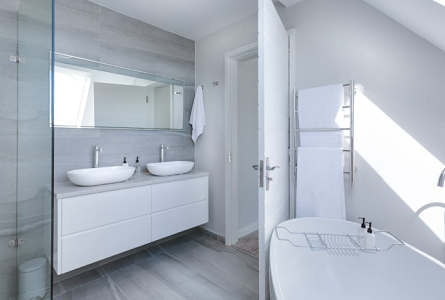
The modern bathroom has evolved from a purely functional space into an area of luxury and style. Consideration of layout and fixture placement is paramount to ensuring ease of use and comfort. Optimal storage solutions keep toiletries organized and maintain a clean, uncluttered appearance. The right choice of materials adds aesthetic appeal while ensuring durability and easy maintenance. Waterproof engineered materials in contemporary designs can resonate with both function and style, providing the perfect blend of practicality and elegance.
It’s important to recognize that bathrooms now prioritize user experience, showcasing designs that promote comfort and relaxation. Consequently, well-chosen fixtures can enhance water efficiency, benefiting the environment and reducing utility bills. Exploring options, such as those available on this website, can provide homeowners with a variety of high-quality choices tailored to their individual tastes. Functionality meets style in every detail, creating a space that seamlessly balances comfort, innovation, and beauty.
Psychological Benefits of Design
The psychological impact of a well-designed bathroom cannot be understated. A serene environment encourages relaxation and mindfulness, which are important in today’s stressful world. Colors, lighting, and textures play a pivotal role in creating an inviting atmosphere. Soft hues and natural materials tend to evoke tranquility, while bright, playful designs might spark joy and energy. Strategic lighting enhances visibility and creates ambiance, influencing one’s mood and energy levels throughout the day.
Incorporating elements such as plants can improve indoor air quality and foster a calming effect. The mindful selection of design components improves aesthetics and heightens the sensory experience associated with bathing rituals and personal grooming. As such, the design of the bathroom extends beyond mere appearances, significantly affecting emotional health and lifestyle quality.
Increasing Home Value
Bathroom design holds tangible value in real estate. An updated space characterized by modern aesthetics and functional features generally results in a higher resale value for homes. Potential buyers often scrutinize bathrooms during the purchasing process, making first impressions vital. Investing in quality fixtures, stylish tiles, and efficient layouts can elevate a property’s appeal and marketability.
Subtle changes, such as upgrading faucets or adding a stylish vanity, can dramatically enhance the space without requiring an extensive remodel. Incorporating energy-efficient appliances can attract environmentally conscious buyers, reflecting a commitment to sustainability. By investing in bathroom renovations, homeowners are enhancing their immediate living experience and bolstering the long-term value of their property. In a competitive market, these enhancements can make a significant difference.
Creating a Spa-Like Experience
Transforming a bathroom into a personal spa is an emerging trend that aims to merge luxury with everyday life. Homeowners are seeking indulgent features such as freestanding tubs, rain showers, and heated floors to replicate a pampering experience at home. Focusing on sensory details, like aromatherapy diffusers and luxurious linens, can elevate the routine of self-care. The inclusion of calming sounds, such as water features or soft music, enhances relaxation during baths or showers.
Thoughtfully selected accessories, such as plush towels and decorative elements, contribute to the ambiance of tranquility. Creating a spa-like environment goes beyond mere aesthetics; it encourages self-care routines that positively impact well-being, helping individuals recharge after a long day. This immersion into comfort and luxury fosters a lifestyle that prioritizes mental and physical rejuvenation.
Personalization and Trends
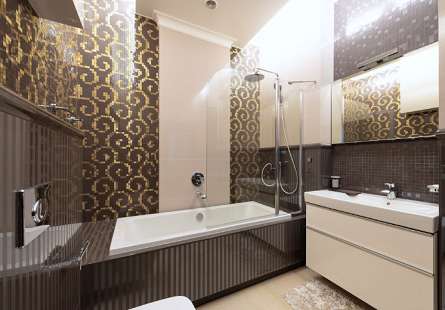
The personalization of bathroom design is key to creating a space that resonates with individual lifestyles. Trends such as minimalism with linear designs provide a sleek yet functional look, while bold colors signify a commitment to uniqueness. Customizable features, such as integrated lighting systems and adjustable cabinetry, cater to the evolving needs of a household.
The flexibility of modern designs allows for continual evolution, adapting to changing trends and personal tastes. Keeping abreast of emerging trends can inspire those looking to undertake a renovation or redesign project, ensuring their bathroom remains a reflection of their evolving lifestyle and values.
Ensuring Accessibility and Safety
Bathroom design caters to accessibility, ensuring safety for all users. This aspect is critical for families with young children or older adults who may require additional support. Incorporating features such as grab bars, slip-resistant flooring, and walk-in showers facilitates ease of use while minimizing the risk of accidents.
Adjustable showerheads and vanities designed for seated use enhance comfort for individuals with mobility challenges. Universal design principles prioritize function without compromising style, ensuring the bathroom is a welcoming space for everyone. As awareness of these needs grows, thoughtful bathroom design becomes increasingly important in fostering inclusivity within living spaces.
Bathroom design offers the opportunity to enhance lifestyle quality in multifaceted ways. By focusing on aesthetics, psychological benefits, market value, indulgence, personalization, and accessibility, homeowners can create spaces that are functional and enriching.