Modern homes and businesses are increasingly seeking efficient, flexible, and cost-effective solutions for heating and cooling. Traditional central HVAC systems often require extensive ductwork, which can be expensive to install, prone to energy loss, and difficult to modify in older structures. Ductless mini-split systems have emerged as a practical alternative, offering precise climate control without the complications of conventional systems. These systems consist of an outdoor compressor unit and one or more indoor air-handling units, allowing for customized temperature control in individual rooms or zones. Their compact design, quiet operation, and energy efficiency have made them increasingly popular for new construction and retrofitting projects alike. We will explore why ductless mini-split systems are gaining traction, their benefits, installation considerations, and how they can enhance comfort and energy savings.
Understanding the Advantages of Ductless Mini-Split Systems
Energy Efficiency and Cost Savings
Ductless mini-split systems are designed to provide targeted heating and cooling to specific areas, reducing the energy waste often associated with ducted systems. In traditional central systems, air travels through long duct runs, which can leak or lose heat, decreasing overall efficiency. By eliminating ductwork, mini-splits deliver conditioned air directly to each room, allowing homeowners to heat or cool only the spaces they use. This zoning capability can lead to significant reductions in monthly energy bills. Additionally, many mini-split models use advanced inverter technology, which adjusts the compressor speed to maintain consistent temperatures, further reducing energy consumption. The combination of precise climate control and efficient operation makes these systems a practical choice for both residential and commercial applications seeking long-term savings.
Flexible Installation and Design
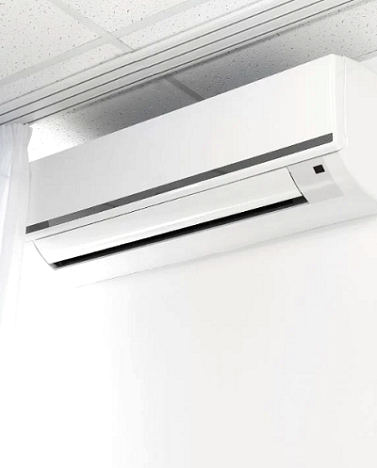
One of the key reasons for the rising popularity of ductless mini-split systems installations by Price Heating & Air Conditioning is their flexibility in installation. Unlike traditional HVAC systems that require extensive ductwork, mini-splits only need a small hole in the wall for the conduit connecting the indoor and outdoor units. This allows for installation in spaces where ductwork is impractical, such as older homes, additions, or rooms with unusual layouts. Indoor units can be mounted on walls, ceilings, or even floors, depending on the room design, offering aesthetic versatility. This adaptability also enables multi-zone setups, where multiple indoor units operate independently from a single outdoor compressor, providing tailored comfort throughout a home or office. Homeowners appreciate the ability to upgrade or expand their systems without major renovations.
Improved Indoor Air Quality
Ductless mini-split systems contribute to healthier indoor air environments by reducing the accumulation of dust, allergens, and other pollutants that often circulate through traditional ducts. Each indoor unit contains high-quality filters that capture airborne particles, improving air quality in individual rooms. Some models also feature advanced filtration systems capable of removing bacteria, odors, and even certain airborne viruses. Since mini-splits do not rely on a central duct network, the risk of mold or dust buildup within hidden spaces is minimized. This makes these systems particularly beneficial for households with allergy sufferers or respiratory concerns, offering cleaner and fresher air in addition to temperature control.
Quiet Operation
Noise can be a significant concern with conventional HVAC systems, particularly in bedrooms, offices, or quiet living areas. Ductless mini-split systems are designed to operate quietly, with indoor units producing minimal sound during heating or cooling cycles. The outdoor compressor unit, which generates most of the operational noise, can be installed away from windows or living spaces, further reducing disturbance. Quiet operation enhances overall comfort, allowing users to enjoy a controlled environment without the background hum or vibrations associated with traditional systems. For businesses, this can contribute to a more productive environment, while homeowners benefit from peaceful indoor spaces for relaxation or sleep.
Year-Round Comfort
Ductless mini-splits offer both heating and cooling functions in a single system, providing year-round comfort without the need for separate equipment. Modern units can efficiently deliver warm air during cold months while maintaining a cool indoor climate during summer, making them a versatile solution for diverse climates. Many models also incorporate programmable settings, timers, and remote control options, allowing users to customize operation according to their daily routines. This flexibility ensures consistent comfort in every room and can reduce reliance on supplementary heating or cooling devices, further enhancing energy efficiency and convenience.
Minimal Maintenance Requirements
Maintaining a ductless mini-split system is generally straightforward compared to central HVAC systems. Each indoor unit requires periodic cleaning of air filters, which is a simple process that homeowners can perform themselves. Professional maintenance, including checking refrigerant levels and inspecting the system, is recommended annually but is often less intensive than servicing ducted systems. The absence of ducts eliminates concerns about leaks, mold growth, or airflow blockages, which are common maintenance issues in conventional setups. As a result, mini-splits offer reliable performance with lower long-term upkeep, making them a practical option for homeowners seeking efficient climate control with minimal effort.
Ductless mini-split systems represent a significant shift in heating and cooling technology, offering numerous benefits over traditional ducted systems. Their energy efficiency, flexible installation, improved air quality, quiet operation, and year-round comfort make them an attractive choice for a variety of applications. With minimal maintenance requirements and environmentally friendly features, these systems provide a sustainable and practical solution for modern living. As more homeowners and businesses seek adaptable, efficient, and cost-effective climate control, the adoption of ductless mini-splits continues to grow. Understanding their advantages and considerations can help individuals make informed decisions when upgrading or installing HVAC systems, ensuring enhanced comfort and efficiency for years to come.