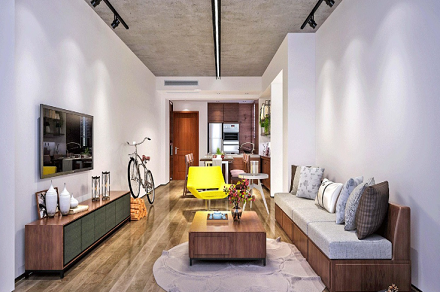
 Home design trends are continually evolving, influenced by a mix of factors including cultural shifts, technological advancements, and a heightened awareness of environmental sustainability. This year, several key trends are making a significant impact on how interiors are envisioned and experienced.
Designers and homeowners alike are more focused on creating spaces that reflect personal style and embrace functionality, comfort, and sustainability. Understanding these trends can help you make informed decisions, whether you are renovating your home or planning a new build.
Nature-Inspired Aesthetics
The inclination toward incorporating natural elements into home design is rapidly gaining traction. Designs that bring the outside in, using earthy tones, organic textures, and natural materials, are visually appealing and create a tranquil environment that promotes wellness. This trend features wood, stone, and plant life, aiming to establish a more harmonious living space. The use of biophilic design principles leads to improved air quality and mental well-being, emphasizing a deeper connection with nature.
Houses are starting to embrace large windows that blur the line between indoor and outdoor settings, allowing natural light to flood interiors thoughtfully. Homeowners are opting for lighter, airy fabrics made from organic fibers, enhancing the seamless flow between elements. The inclusion of houseplants is at an all-time high, as they purify the air and add a vibrant touch to any space.
Multi-Functional Spaces
With the rise of remote work, the need for adaptable living spaces has become paramount. Homeowners increasingly look for designs that can transform and serve multiple purposes. Gone are the days when rooms had single functions. Modern home design embraces flexibility and efficiency. Spaces that combine living, dining, and work areas maximize functionality and improve space utilization. Designers are creatively integrating furniture that can easily transition from one use to another.
Murphy beds, foldable tables, or modular seating can be adjusted based on the occasion or need. This trend saves space and fosters a sense of organization, contributing to an uncluttered lifestyle. These spaces are designed to promote a sense of balance, making homes more versatile and responsive to changing needs.
Sustainable Materials and Eco-Friendly Choices
Sustainability continues to be a driving force behind home design choices this year, reflected in a preference for eco-friendly materials. Many designers and homeowners are prioritizing sustainability by selecting materials that are both stylish and environmentally conscious.
Recycled, reclaimed, or renewable resources are getting more recognition in various elements of home decor and construction. As explained by experts from Really Cheap Floors, more homeowners are looking into inexpensive flooring options made from sustainable materials, such as bamboo or cork. These alternatives provide durability and aesthetic appeal and come with a lower environmental impact compared to traditional options.
Energy-efficient appliances and smart home technologies are becoming commonplace, promoting energy savings while maintaining modern conveniences. This shift toward eco-friendly materials resonates well with consumers who are increasingly aware of their ecological footprint.
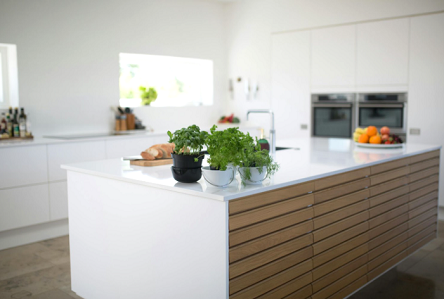
Bold Colors and Statement Pieces
A notable trend sweeping through interiors this year is the revival of bold color palettes that evoke emotion and vibrancy. In an era where minimalism has dominated, designers are exploring a more expressive use of hues. Rooms featuring deep greens, vibrant blues, and rich terra cottas create captivating atmospheres and serve as statement pieces within a home.
These colors can be highlighted through various design elements, such as feature walls, statement furniture, or striking artwork. Adding depth and drama to spaces through intentional color choices brings personality to interiors and can reflect the homeowner’s individual style. The play of texture and color creates visual intrigue, offering a refreshing departure from muted tones.
The Rise of Vintage and Antique Accents
This year marks a resurgence of vintage and antique pieces in modern home design, blending the old with the new. Homeowners are keen on adding unique character to their spaces through curated collections of vintage items. Finding charm in distress and imperfections, vintage decor can serve as conversation starters and introduce a sense of history to contemporary environments.
Mixing different styles and eras is an artistic choice and a sustainable one as well. Rather than shopping exclusively for new items, more people are exploring thrift stores, flea markets, and online marketplaces for one-of-a-kind finds. By integrating these accents with modern furnishings, homeowners can create a distinctive look that tells a story while reducing waste.
Smart Home Integration
Technology is playing an increasingly vital role in home design trends this year, particularly with the integration of smart home systems. The demand for smart devices that enhance convenience, security, and energy efficiency is on the rise. Homeowners are now considering how technology can seamlessly blend with their design aesthetic without compromising style.
From automated lighting systems to smart thermostats, the advancement of home technology allows for a more connected living experience. Homeowners appreciate how these technologies can improve comfort while simplifying daily tasks. As energy conservation becomes important, many smart home systems facilitate lower energy bills, encouraging more eco-conscious usage patterns.
Personalization and Expression
As individuals seek to express their identity, personalization has become a significant focus in home design this year. More than ever, homeowners are prioritizing spaces that reflect their tastes and lifestyles, leaning toward unique decor items that tell a story. This level of personalization adds warmth and connection, making a house feel like a home.
Incorporating personal collections, family heirlooms, or art pieces creates an authentic narrative within the space. Homeowners are breaking away from conventional design rules, paving the way for eclectic aesthetics that are uniquely theirs. The emphasis on personal style ensures that each room serves as a canvas for self-expression, emphasizing individuality rather than uniformity.
The minimalist trend still resonates with many, providing a grounding influence amidst the various vibrant shifts within the design landscape this year. As this year’s key trends unfold, homeowners and designers alike are drawn to ideas that prioritize function, wellness, and individuality. By integrating nature, sustainability, technology, and personal expression into design choices, individuals can create spaces that are visually appealing and meaningful. Embracing these trends will position your home for both comfort and aesthetic success.