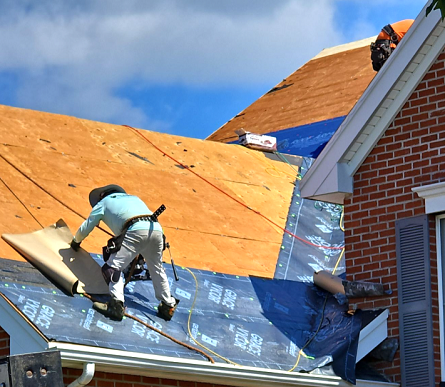
 Facing a roof replacement can be intimidating especially when quotes reach $10,000 or more. It’s natural to worry about affordability, but replacing your roof doesn’t have to drain your savings or push you into risky shortcuts. With a little strategy, you can manage costs while ensuring lasting protection for your home.
In this guide, we’ll break down smart roof replacement cost-saving strategies from understanding true price ranges to timing, financing, and planning tips, so you can make confident, stress-free decisions.
The Real Cost of Roof Replacement
Roof replacement costs vary widely, from $8,000 to $15,000 for asphalt shingles and up to $20,000+ for premium materials like metal or slate depending on factors like material, size, and labor.
* Roof size and complexity: Larger roofs, steep slopes, or multiple levels add labor and material costs.
* Material choices: Asphalt shingles are the most affordable; metal or slate offer durability but at a premium price.
* Labor and disposal: Removing old shingles and ensuring safe disposal adds to the final bill.
* Permits and local codes: Requirements vary by location and can influence overall pricing.
When comparing estimates, transparency is just as important as price. A reputable contractor explains every line item clearly, helping you spot savings opportunities, plan smarter, and avoid hidden or last-minute costs.
And since scope affects not only price but also project length, it’s worth knowing how long it takes for roof replacement so you can plan your schedule with confidence.
Financing Options Explained
A new roof is a major investment, but it doesn’t have to drain your savings. With flexible financing options, you can manage costs while ensuring quality workmanship.
Here are some of the most common ways to finance a roof replacement:
* Home Equity Loans or HELOCs: If you’ve built up equity in your home, you can borrow against it with a fixed-rate loan or a line of credit. This hwlps lower interest rates though approval depends on your credit and existing equity.
* 0% APR Credit Cards: Great for smaller projects, offering interest-free financing if paid off within the promo perio —but rates spike sharply once it ends.
* Contractor Financing: Many roofing companies offer financing plans, letting you spread payments over time instead of paying the full cost upfront. For example, Nest Roofing & Gutters in Pittsburgh offers programs through Wisetack that are transparent, flexible, and come with no hidden fees.
The takeaway? Financing is all about making them manageable. The right plan lets you protect your home today without putting your financial future at risk.
Where to Splurge vs. Where to Save
Not every roofing expense deserves equal attention. Knowing where to invest and where to cut back helps maximize your roof replacement budget.
Where to Splurge
* Quality materials: Durable shingles and underlayment ensure longevity.
* Professional installation: Skilled work prevents costly leaks later.
* Warranties: Long-term coverage protects your investment.
Where to Save
* Material selection: Asphalt shingles are affordable and reliable.
* Unnecessary upgrades: Skip decorative finishes or pricey skylights.
* Prep work: Clean gutters and ventilate attics to reduce labor costs.
Prioritize spending on structure and protection—save on aesthetics and extras.
Timing Strategies That Save Thousands
When it comes to roof replacement costs, timing can make a big difference. Contractors adjust prices based on demand and materials, so planning ahead can save thousands.
* Off-Season Discounts: Fall or early winter scheduling often means lower labor costs and faster turnaround since demand slows down.
* Multi-Year Planning: If your roof isn’t urgent, start saving now. You’ll have time to compare contractors, materials, and financing instead of rushing after leaks.
* Bundling Repairs: Combine roof replacement with related work like gutters or siding. Contractors often offer discounts for bundled services.
* Insurance Opportunities: Storm damage may qualify for insurance coverage. Document issues promptly and check your policy before paying out of pocket.
Bottom line: Replace your roof on your own timeline, not during a crisis to gain better pricing, control, and peace of mind.
Budgeting & Saving Tips for Homeowners
Even with financing and smart timing, roof replacement requires planning ahead. Building a realistic budget now helps reduce stress when the time comes.
* Create a Home Repair Fund: Set aside a small amount each month specifically for maintenance and large expenses like roofing. Even modest contributions add up over time.
* Factor in Energy Savings: A new roof can improve insulation and reduce heating and cooling bills. Consider these long-term savings as part of your investment.
* Explore Rebates and Tax Credits: Energy-efficient roofing materials, like cool roofs or solar-ready systems, may qualify for local or federal incentives.
* DIY Prep Work: You don’t have to replace the roof yourself, but you can save on labor costs by handling small tasks like clearing debris, trimming overhanging branches, or cleaning gutters before contractors arrive.
Smart budgeting doesn’t just cover the upfront bill, it ensures your home continues to provide returns in comfort, efficiency, and value long after the project is done.
Making Your Roof Replacement Work for You
Replacing your roof is a major expense, but with smart planning and timing, it can be a manageable investment and not a financial strain. Know your true costs upfront, explore flexible financing, and spend wisely on quality materials over cosmetic extras.
Schedule work during off-peak seasons and handle simple prep yourself to save more. Most importantly, don’t wait for leaks to force your hand. Early planning gives you better choices, lower costs, and lasting protection for your home and peace of mind.
In fact, roof replacement can increase your home’s resale value, making it one of the few big projects that delivers both peace of mind now and financial rewards later.