 A dental infection can start as a mild ache but quickly turn into an intense, throbbing pain that’s hard to ignore. It occurs when bacteria invade the inner part of the tooth, called the pulp. The resulting inflammation causes swelling and pus formation and, in some cases, may spread to the jaw or other areas. And you must act promptly to prevent serious health complications.
Below are the most effective ways to treat a tooth infection safely and efficiently. These steps help reduce discomfort and promote healing.
Seek Immediate Dental Care
The first and most important step is to visit a dentist as soon as symptoms appear. You don’t want to wait until the pain becomes unbearable.
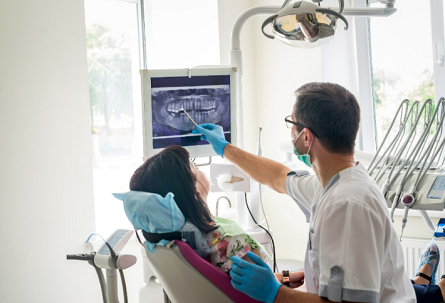
During the visit, the dentist will examine the affected area and may take X-rays to determine how far the infection has spread. Based on the diagnosis, treatment could involve cleaning out the infected tissue through a root canal entirely if the damage is severe. This treatment helps eliminate the source of infection, relieve pain, and protect the surrounding teeth and gums from further damage.
If extraction is necessary, the dentist will make sure the area heals properly. They may also recommend options such as a dental implant or bridge to restore both function and appearance.
Use Prescribed Antibiotics Properly
Antibiotics are often prescribed to control bacterial growth and prevent infection from spreading to other body areas. Common antibiotics used include amoxicillin, metronidazole, and clindamycin for those allergic to penicillin.
To make these drugs effective, it’s crucial to complete the entire prescribed course, even after pain subsides. Skipping doses or stopping early allows bacteria to survive and potentially cause another infection. Following the dentist’s directions carefully ensures the best outcome and helps prevent antibiotic resistance.
Relieve Pain and Swelling Safely
Aside from antibiotics, there are ways to relieve it until proper dental treatment is done. Over-the-counter medications, such as acetaminophen and ibuprofen, help reduce inflammation and discomfort. These should be taken only as directed on the label or by a dental specialist.
Applying a cold compress to the cheek near the infected tooth can also lessen swelling and temporarily numb the pain. Keeping the head elevated while resting helps prevent blood from pooling in the affected area, which may reduce throbbing sensations. Though these methods offer short-term relief, they should never replace professional dental care.
Rinse With Warm Salt Water
Saltwater rinses are one of the simplest and most effective home treatments to support healing. Mixing half a teaspoon of salt into a glass of warm water creates a natural antiseptic solution that helps clear bacteria and reduce gum inflammation.
Swishing the solution gently in the mouth for about 30 seconds, several times a day, can soothe irritation and clean the infected area. It’s gentle enough not to cause further pain but strong enough to promote a cleaner oral environment. This remedy works best when combined with other dental treatments rather than as a standalone cure.
Maintain Good Oral Hygiene During Recovery
A clean mouth supports faster recovery and prevents reinfection. Even if brushing feels uncomfortable, it’s important to continue cleaning teeth carefully using a soft-bristle toothbrush. Avoid scrubbing too hard near the affected area to prevent further irritation.
Flossing should continue, though it’s best to be gentle around the infected tooth. Using an antibacterial mouthwash can also help reduce bacterial buildup. Keeping the mouth clean during recovery speeds up healing and reduces the risk of the infection spreading to nearby teeth or gums.
Avoid Foods That Aggravate the Infection
Dietary choices can influence how quickly a tooth infection heals. Soft foods like soups, smoothies, yogurt, and mashed vegetables are easier to eat and less likely to irritate the infected area. They also minimize the risk of disturbing temporary fillings or open gum tissue after treatment.
It’s best to stay away from sugary, acidic, or extremely hot and cold foods. These can worsen pain and provide an environment where bacteria thrive. Drinking plenty of water throughout the day helps flush bacteria and maintain hydration, which supports the body’s natural healing process.
Consider Natural Remedies for Temporary Relief
While not a replacement for professional care, certain natural remedies may provide mild, temporary relief. Clove oil is one of the most well-known options. Its natural antibacterial and numbing properties make it effective for easing toothache pain. A small amount on a cotton ball can be placed gently on the affected tooth for a few minutes.
Garlic is another natural antibacterial agent. Crushing a fresh clove and applying it to the infected area can help reduce bacteria, though the taste may be unpleasant. Tea tree oil, appropriately diluted with water, can also be used as a mild mouth rinse. These remedies should be used carefully and only as a short-term solution before or after professional treatment.
Support Healing After Dental Procedures
Once the dentist has treated the infection, aftercare becomes the next important step. Following the dentist’s instructions helps the treated area heal smoothly and prevents reinfection.
For a few days after treatment, it’s best to avoid hard, crunchy, or sticky foods that could irritate the site. Continue saltwater rinses to keep the mouth clean and reduce bacteria. Mild discomfort is common but should gradually subside. Persistent swelling or pain beyond a few days may require a follow-up visit.
Prevent Tooth Infections from Returning
After recovery, prevention is key to avoiding future infections. Regular dental checkups every six months allow early detection of cavities or tooth decay.
Brushing twice daily with fluoride toothpaste, flossing, and limiting sugary foods are the simplest yet most effective ways to keep teeth strong and resistant to bacterial attack. Staying consistent with oral hygiene habits and maintaining a balanced diet significantly affects long-term dental health.
Strengthen the Body’s Natural Defense
Supporting overall health contributes to faster recovery and better protection against infections. Eating nutrient-rich foods like fruits, vegetables, and whole grains boosts the immune system. Adequate rest and hydration also play vital roles in helping the body fight bacteria effectively.
Avoiding smoking and limiting alcohol intake can further support healing, as both slow down tissue repair and increase infection risk. A healthy lifestyle works hand in hand with dental care to ensure long-lasting results and a lower chance of complications.
Recognize When to Seek Emergency Help
Sometimes a tooth infection can spread beyond the tooth and become dangerous. If swelling moves to the face, neck, or eyes, or if there’s difficulty swallowing or breathing, immediate medical attention is necessary. High fever, chills, or general weakness are also warning signs of a severe infection that may be spreading through the bloodstream. And these are considered serious dental emergencies.
In such situations, going straight to an emergency room or calling a healthcare provider is critical. Fast action prevents severe complications like sepsis and ensures the infection is controlled quickly.
Closing Thoughts
Tooth infections can escalate quickly if ignored or if self-care is prolonged. What may begin as mild discomfort can develop into a serious problem.
Taking early action is always the best approach to preventing complications that may require more invasive treatment later. Visit your dentist regularly and follow their recommendations for proper treatment. With the right care and attention, a healthy smile and pain-free teeth can be maintained for years.