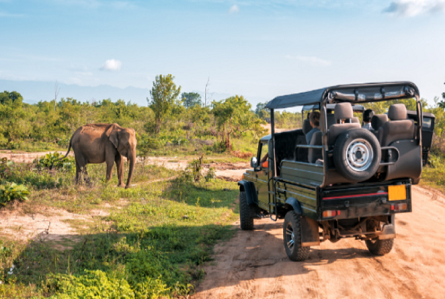
 Imagine this: You’re sipping morning coffee on a private deck while elephants amble across the Serengeti. Sounds impossibly expensive, right? Wrong. Here’s the reality check: Tanzania pulled in 2.14 million international tourists in 2024 alone, raking in USD 3.9 billion in tourism revenue. That’s proof positive this East African wonder caters to every wallet size.
The secret? Smart planning beats a fat bank account every time. You can absolutely score world-class wildlife encounters without torching your savings. Let me walk you through the insider strategies that unlock authentic luxury Tanzania safari moments at prices that’ll actually surprise you.
Understanding Safari Costs in Tanzania
Here’s what most people get wrong: they think safari pricing is just about where you sleep. It’s way more layered than that. Understanding the real cost drivers gives you leverage to optimize spending strategically.
What Drives Safari Prices
Cracking the affordable Tanzania safari code means getting granular with these expense layers. Different operators package services in completely different ways, so you need to compare apples-to-apples when reviewing quotes.
Planning a luxury Tanzania safari without overspending requires careful strategy, timing, and trusted guidance. Working with a reputable operator, Sababu Safaris, ensures a seamless experience while helping you maximize your budget.
Choosing off-peak travel periods, selecting lodges that balance comfort and value, and focusing on curated experiences allow you to enjoy Tanzania’s stunning wildlife, vast landscapes, and exclusive safari activities without compromising on luxury. Thoughtful planning and expert support make it possible to create an unforgettable adventure while keeping costs under control.
Timing Your Visit for Maximum Value
When you show up matters enormously. I’m talking 40-60% cost differences depending on your travel dates, and wildlife viewing often stays just as spectacular.
Shoulder Season Benefits
March through May, plus November, these shoulder months are your golden ticket. Lodges desperately want to fill empty rooms, so rates plummet while wildlife populations remain robust. Suddenly that budget luxury safari Tanzania you’ve been dreaming about becomes financially feasible.
The bonus? Way fewer tourists clogging the roads. Your morning game drives feel practically private. You’ll have entire waterholes to yourself for photography sessions. It’s exclusive without the insane price tag.
Choosing Your Safari Circuit Wisely
Not every Tanzania circuit hits your wallet the same way. Knowing the value equation for each region lets you maximize wildlife magic while keeping finances sensible.
Northern Circuit Highlights
The Serengeti-Ngorongoro axis is Tanzania’s crown jewel, and priced accordingly. But smart planning Tanzania safari routes that weave in Tarangire and Lake Manyara alongside the famous spots? That’s where value lives. Seven-day northern circuit trips typically hit the sweet spot for cost versus experience variety.
Pro tip: Don’t bypass Tarangire. The elephant viewing rivals anywhere on the continent, but accommodation runs significantly cheaper than Serengeti properties.
Lesser-Known Parks
Southern circuit destinations like Ruaha and Nyerere national parks (what used to be Selous) deliver 30-40% savings with equally mind-blowing wildlife concentrations. Tourist traffic stays lighter, creating that intimate safari vibe people crave. Blend northern highlights with southern treasures and suddenly your budget stretches beautifully while diversifying your experiences.
Western circuit spots like Mahale Mountains throw chimpanzee tracking into the mix, totally different from standard game drives and worth every penny.
Smart Accommodation Strategies
Your sleeping arrangements will make or break your budget. Good news: Tanzania offers clever lodging approaches that preserve comfort while controlling costs brilliantly.
Boutique vs. Large Lodges
Here’s an industry secret: smaller boutique camps frequently outperform big-name luxury chains on personalized service, often at comparable or lower rates. These intimate setups (usually 8-16 guests max) feel incredibly exclusive without the premium markup. Newer camps especially offer intro pricing while establishing their reputation.
Mix and Match Approach
The savviest travelers don’t blow their budget on luxury every single night. They strategically identify where splurging matters, maybe the Serengeti or crater rim, then opt for comfortable mid-luxury elsewhere. This method delivers those bucket-list moments while keeping total expenses reasonable.
Consider mobile tented camps tracking the migration. They provide authentic luxury at prices below permanent lodges, positioning you right in the action.
Final Thoughts on Affordable Luxury Safaris
Planning an extraordinary Tanzania safari without hemorrhaging money isn’t about sacrificing quality; it’s about strategic decisions that prioritize what genuinely matters. Timing visits during shoulder seasons, varying accommodation types, and partnering with knowledgeable local operators creates experiences matching any ultra-luxury package.
The Serengeti doesn’t check your bank balance, and elephants couldn’t care less about your lodge’s star rating. What counts is being present, witnessing Africa’s stunning wildlife spectacles firsthand. Smart planning leaves you with resources for future adventures too. Start your research today, and that dream Tanzania safari becomes achievable way sooner than you’d imagine.
Common Questions About Planning Tanzania Safaris
Which season offers the best value without sacrificing wildlife viewing?
January-February and November provide outstanding value. Calving season (January-February) showcases incredible predator action, while November offers migration viewing at dramatically reduced rates before peak season pricing hits.
Should I book directly with Tanzania operators or use international agents?
Direct booking with reputable Tanzania operators typically saves 15-25% by cutting out middleman markups. Local companies grasp ground realities better and usually provide more flexible, customized itineraries that maximize your specific budget constraints.