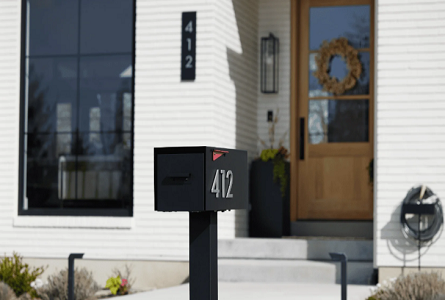
 Nowadays, our communication happens with a tap on a screen, so it’s easy to forget how important a letterbox still is. Yet, that little fixture outside your home plays a big role. It holds your daily mail, keeps parcels safe, and adds a touch of charm to your front facade. It offers a secure place for deliveries but also creates a welcoming first impression. Choosing the ideal one means finding a balance between functionality, durability, and design, so it blends seamlessly with your lifestyle and your home’s personality.
Mounting Style
One of the first things to think about is how you will mount the fixture. The style you choose depends on the layout of your front yard, the type of fencing or walls you have, and how much space you’re working with. Here are the main options:
Freestanding
If you have a wide, open front yard with direct access from the street, elegant freestanding letterboxes are a good choice. They’re available in stylish designs, featuring clean lines, contemporary shapes, and finishes like classic black, crisp white, or natural timber. These usually come with a straight post designed to go straight into the ground and be secured with concrete. If your yard is paved or you want to install on an existing slab, you can also get posts that bolt directly onto concrete.
Built-in
If you’d rather have your receptacle integrated into your fence or wall, this option is for you. A built-in style gives a neat, streamlined look. For timber, tubular, or metal fences, a built-in unit works nicely. If you have a brick or rendered wall, telescopic models are adjustable, so they’ll fit perfectly no matter the depth.
Multibank
Great for units, duplexes, or even small businesses that want a tidy, consistent look. You can mount multibank setups on posts, bolt them onto concrete, or build them into a wall.

Design
When it comes to choosing the right freestanding letterbox, design plays a huge role in how it ties into your outdoor space. The overall look and feel should flow naturally with the style of your home. The options online range from timeless, classic pieces like the Kooyonga to sleek, contemporary choices such as the Pillar letterbox.
An older-style fixture might clash with a very modern build. If your home’s aesthetic sits somewhere in the middle, you’re in the best position, as you can comfortably lean in either direction without disrupting the harmony of your exterior.
Size
The size of your fixture might not seem like the first thing to think about, but it can change how natural it looks sitting out the front of your home. For example, freestanding letterboxes can make a great statement, but they may feel a little out of place in a smaller yard with a compact house. In that case, a slimmer style could be a better fit.
It’s also worth considering what kind of mail you usually get. If you often receive bigger envelopes or A4-sized deliveries, go for a slightly larger freestanding mailbox. This will save you the hassle of a bent or damaged post. Every model is designed to comfortably handle A4 sheets lying flat at the bottom, but if your post pile tends to stack up, extra room will come in handy.
Colour
What’s the best colour for a letterbox? When deciding on colour, you’re not limited to just a few shades. Whether you want something bold that stands out or a tone that blends in seamlessly, you have the flexibility to match your style. A good rule of thumb is to line up the colour of your freestanding letterbox with the trim of your house. This creates a sense of balance without overwhelming the space, which can sometimes happen if you try to match the fixture directly with brickwork or render.
Material
One of the most popular materials for this purpose is high-quality aluminium, especially one that’s finished off with a tough powder coating. The result is something that looks good and holds up against the elements without giving in to rust or corrosion. Your location can also play a big part in what you should be looking for. If you’re near the coast, salty air can be brutal on certain metals, which is why aluminium or stainless steel is the smarter choice.
Numbering
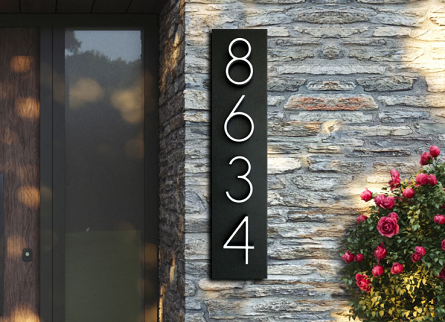
Adding numbers to your letterbox might seem like a small detail, but it can make a big difference in both style and practicality. Some people prefer to keep the numbers on the box itself, while others choose to place them nearby, like on a wall, fence, or even on a separate plaque.
There are plenty of finishes to choose from, whether you like the bold look of gold, the sleekness of stainless steel, or the understated appeal of black or silver. You can go for numbers that are bolted on for a more permanent feel, or opt for vinyl if you want something simple and clean.
Faceplates
Faceplates can give your fixture a touch of personality and make it feel like part of your home’s overall look. They’re available in stainless steel for a sleek, modern finish or in powder-coated aluminium for something more durable with a bit of flair. You can have your street name or number cut directly into the plate, with a variety of font options to choose from. Add a backing plate in a contrasting colour, and suddenly your letterbox has a pop of character that makes it both practical and eye-catching.
Rules and Regulations
Before falling in love with a particular design, it’s important to double-check that it meets the rules set out by your local council and Australia Post. Posties have a tough enough job, so regulations mostly make their deliveries quick and straightforward. That means your box should be easy to spot, simple to reach, and in good working order. Take the time to get this right from the start so that you can spare yourself the hassles later.