 Keeping your home comfortable throughout the year can quickly become costly, especially when heating and cooling systems are running constantly. One of the most effective and often overlooked ways to reduce energy expenses is by improving insulation. Insulation acts as a protective layer, slowing the transfer of heat and cold between the indoor and outdoor environments. This means your HVAC system doesn’t have to work as hard, resulting in lower bills and a more comfortable living environment. We will explore how insulation impacts energy consumption, the types of insulation available, and practical ways to make improvements that can benefit your household for years to come. By understanding how proper insulation works, you can create an efficient home that not only saves money but also contributes to a more sustainable lifestyle.
Ways Proper Insulation Helps Reduce Energy Costs
1. Reducing Heat Loss in Winter
During the colder months, heat naturally escapes through poorly insulated walls, ceilings, floors, and even small gaps around windows and doors. Without proper insulation, your heating system has to run longer and more frequently to maintain a comfortable indoor temperature. This directly results in higher utility bills. Adding insulation creates a barrier that slows down heat loss, keeping warm air inside where it belongs. Whether it’s fiberglass, spray foam, or cellulose insulation, the effectiveness lies in filling gaps and sealing leaks that allow warm air to escape. For older homes, this step is especially valuable since construction standards in past decades did not always prioritize energy efficiency.
Homeowners looking for ways to improve comfort and save on energy expenses often search for Andersen Air Inc nearby Cleburne, knowing that professional services can make insulation upgrades more reliable and effective. Proper insulation not only prevents cold drafts but also ensures that every bit of heat generated is used efficiently, helping you save significantly on winter heating costs while enhancing comfort.
2. Preventing Heat Gain in Summer
Insulation isn’t only about keeping your home warm in the winter; it plays an equally important role in the summer months. When the sun heats up your roof and walls, that heat can easily seep indoors if insulation is lacking. This forces your air conditioning system to work overtime, driving up energy consumption and costs. By installing proper insulation, you create a thermal barrier that prevents heat from penetrating the living spaces of your home. This helps maintain a cooler indoor environment with less reliance on constant air conditioning. Attic insulation, in particular, is crucial since the attic is one of the hottest parts of a house during summer. Insulation in walls and floors also adds to the effectiveness, reducing the heat transfer that leads to uncomfortable indoor temperatures. With reduced demand on your air conditioning system, you’ll notice not only lower utility bills but also less wear and tear on your HVAC equipment over time.
3. Enhancing HVAC System Efficiency
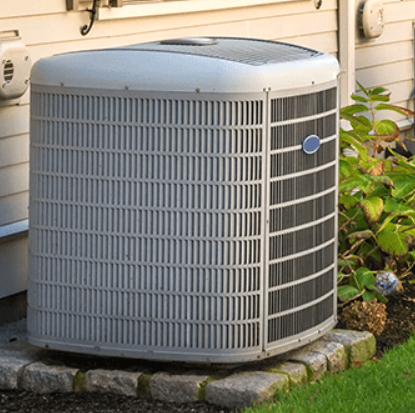
A properly insulated home allows your heating and cooling systems to operate more efficiently. When insulation reduces energy loss, your HVAC system doesn’t need to cycle as frequently or run for extended periods. This not only decreases monthly energy bills but also extends the lifespan of your equipment. Heating and cooling units that constantly run to compensate for poor insulation often experience breakdowns and require more maintenance, which adds extra expenses. With adequate insulation, your system can work at its intended capacity without unnecessary strain. This efficiency also contributes to more even temperatures throughout your home. Instead of experiencing hot and cold spots in different rooms, insulation helps maintain a balanced environment. The combination of comfort, lower energy usage, and reduced maintenance costs demonstrates why insulation is one of the most effective long-term solutions for controlling utility expenses while also protecting your investment in HVAC equipment.
4. Improving Indoor Air Quality and Comfort
Insulation does more than just reduce energy bills; it contributes to a healthier and more comfortable living space. When a home is poorly insulated, outdoor air, dust, and allergens can seep inside through gaps and leaks. This not only impacts air quality but can also lead to drafts, uneven temperatures, and moisture problems. Proper insulation acts as a protective seal, keeping unwanted pollutants and outside air at bay. By reducing the entry of allergens and dust, your indoor air quality improves, which is especially beneficial for households with asthma or allergy concerns.
Additionally, insulation helps maintain consistent indoor temperatures, eliminating the discomfort of cold floors in winter and overly warm rooms in summer. These benefits directly impact comfort levels, making your home more livable without relying heavily on your heating and cooling system. The result is an environment that feels stable, balanced, and more enjoyable throughout the year.
5. Long-Term Financial and Environmental Benefits
Investing in proper insulation provides savings that extend far beyond immediate energy bill reductions. Over time, the cumulative cost savings from lower utility expenses can be substantial, often offsetting the cost of insulation upgrades within just a few years. Beyond financial benefits, insulation also contributes to a more sustainable household by reducing overall energy consumption. When less energy is used to heat and cool your home, fewer greenhouse gases are released into the atmosphere, lowering your carbon footprint. This makes insulation both an economical and environmentally responsible choice.
Proper insulation is one of the most effective ways to lower heating and cooling bills while creating a comfortable and healthy home environment. By reducing heat loss in winter and preventing heat gain in summer, insulation eases the burden on HVAC systems, ensuring efficient performance and reduced energy costs. Beyond immediate savings, insulation offers long-term financial benefits, enhanced indoor air quality, and a more sustainable way of living. By prioritizing insulation, you can transform your living space into a cost-effective and eco-friendly environment that benefits both your household and the planet.