 Maintaining a home requires more than quick fixes and seasonal chores. Every system, surface, and structure in a house needs attention to stay efficient and safe. Neglecting key maintenance tasks can lead to expensive repairs and declining property value. From small leaks to faulty wiring, even minor issues can turn into major costs if left unattended. Understanding the most common home maintenance mistakes helps homeowners avoid unnecessary expenses and long-term stress.
Ignoring HVAC Maintenance and System Efficiency
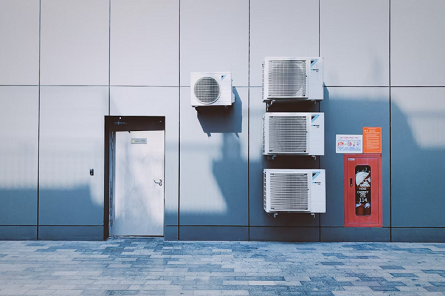
Heating and cooling systems work year-round to maintain comfort, yet they often receive little attention until something breaks. Dirty filters, blocked vents, or clogged ducts reduce airflow and force systems to work harder. This increased strain shortens lifespan and raises energy bills. Annual professional servicing ensures that internal components remain clean and functional.
Many homeowners underestimate the impact of neglecting air conditioning components. Waiting until the system fails may lead to significant costs, such as replacing an AC compressor, which can be one of the most expensive parts of a cooling unit. Regular inspections and timely repairs prevent breakdowns and preserve energy efficiency, saving thousands in the long run.
Forgetting Roof Inspections and Gutter Cleaning
A roof serves as the home’s primary defense against weather, yet many homeowners skip regular inspections. Missing shingles, loose flashing, or small leaks can allow moisture to infiltrate insulation and ceilings. With time, these issues lead to mold growth, weakened structures, and expensive replacements.
Gutters play a vital role in directing water away from the foundation. Clogged gutters cause overflow, which damages siding, landscaping, and the home’s base. Cleaning gutters twice a year prevents drainage problems and prolongs the life of the roof. Roof and gutter care ensure the home stays watertight and stable throughout every season.
Overlooking Plumbing Leaks and Water Damage Risks
Small drips or slow leaks may seem harmless, but they create significant problems behind walls or under floors. Persistent moisture weakens materials, encourages mold, and wastes water. Early detection saves time and money. Inspecting under sinks, around appliances, and near the water heater helps catch leaks before they escalate.
Homeowners should monitor water pressure as part of regular maintenance. Excess pressure strains pipes, valves, and fixtures. Installing a pressure regulator and checking readings periodically prevents plumbing failures. When leaks or moisture appear, prompt action protects both property and health.
Neglecting Foundation and Drainage Maintenance
The foundation supports the entire structure, so even small cracks deserve immediate attention. Water pooling around the base of a home signals drainage issues that can lead to structural damage. Improper grading or blocked downspouts allow rainwater to erode soil and weaken stability.
Adding extensions to downspouts or installing French drains directs water away from the home. Regularly inspecting for cracks and uneven floors reveals early warning signs of settling or moisture infiltration. Proactive foundation maintenance avoids costly repairs and preserves the home’s long-term value.
Skipping Electrical System Inspections
Electrical systems require attention to remain safe and efficient. Outdated wiring, overloaded circuits, and loose outlets increase the risk of fire and equipment damage. Professional inspections identify issues before they become hazards.
Homeowners often overload power strips or run multiple high-wattage devices on one circuit. This habit stresses wiring and can lead to electrical failures. Replacing damaged cords, labeling breakers, and upgrading old panels enhances safety and functionality. A well-maintained electrical system protects both people and property.
Failing to Seal Windows and Doors
Windows and doors influence comfort, insulation, and energy use. Cracked caulking or worn seals allow drafts that raise heating and cooling costs. Inspecting and resealing these areas prevents energy loss and improves temperature control.
Replacing old weather stripping and applying fresh sealant once a year keeps interiors comfortable. Proper sealing reduces strain on HVAC systems and enhances indoor air quality. In addition to saving energy, it prevents water intrusion and extends the life of window frames.
Ignoring Appliance Maintenance and Safety Checks
Household appliances work continuously and need regular attention. Ignoring manufacturer recommendations leads to premature wear and mechanical issues. Cleaning refrigerator coils, emptying dryer vents, and checking dishwasher filters improve performance and efficiency.
Dryer vent neglect poses one of the most common fire risks in homes. Lint buildup restricts airflow and raises temperatures during operation. Regular cleaning prevents hazards and extends appliance lifespan. Routine checks ensure that each appliance operates safely and efficiently.
Allowing Exterior Paint and Siding to Deteriorate
Exterior finishes protect against sun, wind, and moisture. Peeling paint or cracked siding exposes materials to weather, leading to rot or corrosion. Repainting every few years maintains both aesthetics and protection.
Choosing weather-resistant materials and maintaining proper sealing prevents deterioration. Pressure washing once or twice a year removes debris and mildew buildup. A well-maintained exterior keeps structural materials intact and improves curb appeal.
Overlooking Attic Ventilation and Insulation
Attics regulate heat transfer throughout a home. Poor insulation and ventilation cause uneven temperatures, leading to higher utility bills and potential roof damage. During summer, trapped heat accelerates shingle wear; during winter, it creates condensation and mold growth.
Adding insulation, clearing vents, and sealing gaps improve efficiency and prevent moisture buildup. Balanced airflow helps extend the life of roofing materials while improving indoor comfort. A properly maintained attic contributes to lower costs and healthier air circulation.
Failing to Test Safety Devices Regularly
Smoke detectors, carbon monoxide alarms, and security systems safeguard families, yet many homeowners forget to test or replace them. Batteries should be checked twice a year, and units replaced according to manufacturer guidelines.
Functioning alarms save lives by providing early warnings during emergencies. Integrating smart systems adds convenience and monitoring capability. Consistent testing ensures reliability when it matters most.
Mismanaging Landscaping and Tree Maintenance
Trees and plants beautify a property, but can create problems if neglected. Overgrown branches damage siding, roofs, or power lines. Roots may invade foundations or plumbing systems. Regular trimming and inspection prevent damage while maintaining curb appeal.
Proper watering and seasonal care promote plant health and prevent costly replacements. Monitoring drainage patterns around landscaping ensures water flows away from the house. Responsible yard management supports both aesthetics and structural protection.
Home maintenance protects your investment, safety, and comfort. Ignoring small issues leads to unnecessary expenses and stress. Addressing repairs promptly, inspecting systems regularly, and scheduling professional maintenance keep your property in top condition. Each step taken toward prevention reduces future risks and preserves long-term value. A well-maintained home operates efficiently, feels comfortable, and remains a source of pride for years to come.