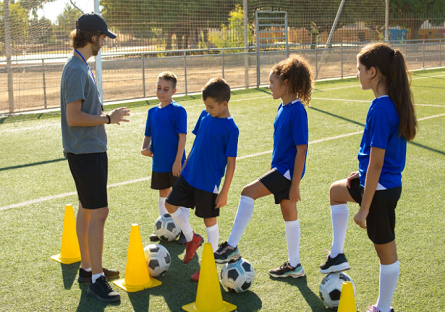
 Have you ever noticed how a well-prepared team radiates confidence before stepping onto the field? Getting ready for game day is about more than just showing up with the right equipment – it’s about creating an environment where young athletes can thrive and perform at their best.
With proper preparation and organization, teams can transform pre-game jitters into focused energy that powers performance.
From coordinated uniforms that boost team spirit to well-planned routines that keep everyone calm and collected, the right approach to game day readiness can make all the difference for youth teams and school clubs.
Creating the Winning Look
A unified look helps young athletes and club members feel comfortable, visible, and proud to represent their school. Football, soccer, and other field teams—as well as cheer and marching band—benefit from clear choices on fabric, fit, and numbering that stand up to hard use and easy care.
In contact sports like football, breathable, durable custom football uniforms keep players cool, photograph well, and stretch the budget; the same standards apply to jerseys and practice gear across other programs.
Top priorities for uniforms:
Fabric And Fit
Choose moisture?wicking polyester or poly?spandex blends with mesh panels in heat zones. Look for a soft interior, light stretch, and tagless necks to reduce irritation.
Visibility And Numbering
Use high?contrast colors (light jersey/dark numbers or the reverse). Aim for 8–10 inch front numbers and 10–12 inch back numbers for youth so names and numbers read clearly from the stands and in photos. Reflective piping helps with dusk practices and evening events.
Durability And Care
Reinforced seams, bar?tacked stress points, and abrasion?resistant fabrics extend life across seasons. Heat?applied names and numbers are lighter; tackle twill is heavier but long?lasting. Prefer machine?wash cold, tumble?dry low care.
Inclusive Sizing
Offer a full run from youth small through adult sizes to fit growing players and varied body types. Provide a try?on kit or printable chart, and suggest sizing up one step for mid?season growth spurts.
Budget?wise Design
Keep designs clean—use a primary—colored body, contrast sleeves or side panels, and one logo placement. This reduces setup costs and simplifies reorders for late joiners across teams and clubs.
A coordinated set of signals, readiness and pride without overspending. With breathable, easy?care custom football uniforms for the gridiron and matching standards for other school groups, teams look cohesive, and students can focus on performing their best.
Engagement and Participation Trends
Youth sports play a vital role in children’s development and well?being across America. Active participation in organized sports shows the enduring appeal of athletic activities among young people.
“Parents believe that sports helped their child learn about discipline and dedication, as well as how to get along with others.” — Office of Disease Prevention and Health Promotion (ODPHP), developed by the PCSFN Science Board
This perspective aligns with current participation patterns. During after?school hours and weekends, 55.4% of youth ages 6–17 joined sports teams or took lessons, underscoring the firm foundation of youth athletics.
Participation varies across regions, with some states leading the way in promoting youth athletics. Notable trends include:
* Regular sports involvement remains steady, with 54.1% of children participating in athletic activities
* Leading states reach participation rates around 63%
* After?school programs show consistent engagement
* Weekend sports activities maintain strong attendance
These patterns reflect sustained interest in youth sports across communities. Schools and local organizations adapt their programs to keep young athletes involved, creating inclusive environments that encourage participation from diverse groups.
Their structured approaches help maintain steady involvement, ensuring that sports remain integral to youth development.
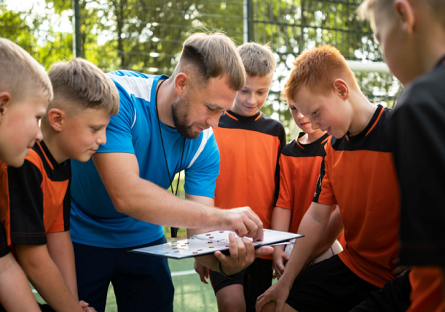
Preparation Tactics for Athletes and Coaches
Pre-game routines are vital in creating a focused environment for youth teams and school clubs. Thoughtful preparation helps players and coaches stay organized while building confidence before important matches.
By establishing clear protocols, teams can maintain their competitive edge and perform at their peak when the pressure’s on. A well-planned routine creates structure and helps everyone know what to expect.
Here are key elements that make up an effective pre-game strategy:
* Mental preparation exercises and team visualization sessions
* Equipment checks and uniform organization
* Team warm-up sequences and drills
* Clear communication channels between coaches, players, and families
* Designated arrival times and meeting points
Beyond the basics, consistent preparation significantly affects how teams handle game-day pressure. When athletes and coaches follow established routines, they’re more likely to stay calm and composed during crucial moments.
Simple habits like hydration, adequate rest, and positive team discussions can transform nervous energy into focused determination. These preparation tactics create a foundation where young athletes can thrive and enjoy their sporting experience while delivering their best performance.
Reducing Last-Minute Stressors
Planning ahead of game day is key to creating a smooth, stress-free experience for youth teams and school clubs. By taking care of logistics early, coaches and team managers can help players focus on what truly matters – their performance and enjoyment of the sport.
A well-organized approach to game-day preparations can significantly improve teams’ handling of pressure situations.
Starting with basics like uniform coordination, equipment checks, and travel arrangements lets everyone concentrate on playing their best rather than worrying about last-minute hitches.
Here are essential steps to minimize game-day stress:
* Create detailed checklists for equipment, uniforms, and necessary documents
* Set up clear communication channels between coaches, players, and parents
* Plan transportation routes and timing in advance
* Establish a consistent pre-game routine that players can count on
* Keep emergency contact information and basic supplies readily available
Players who aren’t distracted by organizational issues can channel their energy into strategy and teamwork, leading to better overall performance and a more positive sporting experience for everyone involved.
Game-Day Success Matters
Organizing youth sports events requires careful attention to logistical details and team spirit to create an environment where young athletes can thrive. Through proper preparation, unified team appearance, and structured routines, teams can build confidence and create memorable experiences beyond the game.
The combination of quality uniforms, established pre-game protocols, and supportive community engagement creates an atmosphere where young athletes feel empowered to perform at their best while enjoying the pure joy of sports participation.