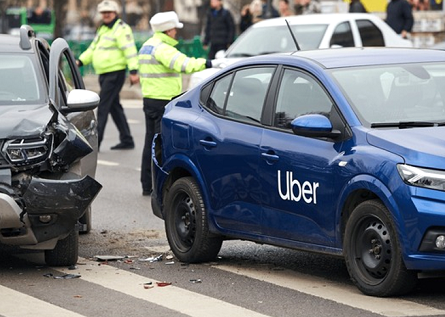
 You expect a smooth and safe ride when you take Uber or Lyft. Most of the time, that’s what you get. But every so often, things go wrong while you are driving. Most rideshare accidents are not due to bad luck—they are caused by certain driving behaviors that increase the chances of a crash.
This article will look at some of the most common driving behaviors that cause Uber and Lyft accidents, from distractions while driving to fatigue in drivers. You will also learn how to prevent these behaviors and what passengers can do if they are in a rideshare accident.
If you are in an accident, it is best to consult a team of OKC rideshare accident lawyers who are familiar with handling complicated insurance and liability issues. Now, let’s take a look at:
Distracted Driving: The Major Cause
One of the leading causes of rideshare accidents is distraction. Rideshare drivers are heavily reliant on their phones for navigation, calling for rides, and communicating. A second or two of looking at a screen can have disastrous consequences.
According to the National Highway Traffic Safety Administration (NHTSA), taking your eyes off the road for only five seconds at 55 miles per hour is comparable to going the length of a football field blindfolded. Passengers can also distract drivers while they drive.
Talking to, playing loud music, or requesting last-minute changes to the destination can divert the driver’s attention.
Excessive Driving Speed to Save Time
Rideshare drivers are generally compensated according to the number of rides they complete. This can lead to a dangerous incentive: the faster they drive, the more rides they complete. However, driving at high speeds reduces reaction time, increases stopping distance, and magnifies the impact of any collision.
In densely populated areas or during poor weather, speeding can quickly turn a minor error into a serious accident. Maintaining a steady pace not only protects passengers and other road users but also helps drivers avoid costly tickets and liability issues.
Fatigue While Driving
Many Uber and Lyft drivers work long hours and drive after working at another job, which leads to the dangerous prospect of fatigue. Drowsy driving impairs reaction time and judgment, just as drinking alcoholic beverages does. Exhaustion can also cause slower decision-making and a reduced ability to notice changing traffic conditions.
In some cases, tired drivers may even nod off briefly without realizing it, which can have devastating results. Taking regular breaks, getting sufficient sleep, and avoiding late-night shifts after a long day of work are essential for safety behind the wheel.
Aggressive or Reckless Driving
Tailgating, sudden lane changes, and running yellow lights are risky behaviors. Some rideshare drivers are tempted to push the limits of these behaviors during high traffic or rush hours to reach their destinations on time. However, aggressive driving often leads to rear-end or side-impact accidents.
Final Important Points
* Distraction, excessive speed, fatigue, and aggressive driving can all lead to serious crashes involving Uber and Lyft.
* Drivers should use hands-free tools, take time to rest regularly, and obey traffic laws.
* Passengers should be alert and speak up if they feel unsafe.
* If you are injured in an accident while riding as a passenger, it is best to consult with experienced rideshare accident lawyers to protect your rights.