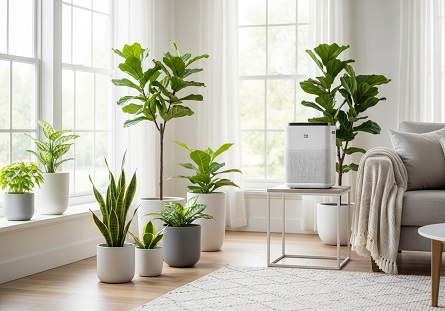
 The air circulating through our homes profoundly affects our health, comfort, and daily well-being. Since most of us spend roughly 90% of our time indoors, ensuring excellent indoor air quality has become essential for preventing respiratory problems, minimizing allergies, and promoting restful sleep. While modern homes excel at energy efficiency, they can inadvertently trap pollutants and foster environments where harmful contaminants build up over time. The good news? A variety of proven devices and strategies can effectively manage these conditions. Air treatment systems, including sophisticated humidifier units that blend purification with humidity control, offer one pathway to creating optimal indoor environments that nurture respiratory health and enhance comfort.
Understanding Indoor Air Quality
Indoor air quality (IAQ) encompasses the cleanliness and healthfulness of air within our buildings and living spaces. The Environmental Protection Agency (EPA) warns that poor indoor air quality triggers immediate symptoms such as eye irritation, headaches, and fatigue, while prolonged exposure can contribute to serious health conditions including asthma, heart disease, and recurring respiratory infections.
Several common indoor pollutants present genuine health concerns. Dust mites flourish in warm, humid conditions and frequently trigger allergic reactions in susceptible individuals. Pet dander—those microscopic skin particles shed by our furry companions—can float in the air for hours and penetrate deep into lung tissue. Mold spores multiply in moisture-laden areas, releasing toxins that compromise respiratory function. Volatile organic compounds (VOCs) continuously off-gas from furniture, carpeting, cleaning products, and construction materials, sometimes contributing to what experts call sick building syndrome.
The World Health Organization has identified indoor air pollution as one of the leading environmental health threats worldwide, with children, elderly individuals, and those managing pre-existing respiratory conditions facing the greatest risks. Recognizing these pollutants empowers homeowners to implement targeted solutions for healthier living spaces.
Strategies for Improving Indoor Air Quality
Source Control
The most powerful strategy focuses on eliminating or minimizing pollution sources where they originate. Indoor smoking releases thousands of toxic chemicals into your home’s atmosphere, making a complete tobacco ban absolutely critical for maintaining healthy indoor air. Likewise, chemical-heavy cleaning products continuously release VOCs that can accumulate to concerning levels over time.
Switching to low-VOC alternatives dramatically reduces indoor pollution levels. Low-VOC paints, adhesives, and cleaning supplies release significantly fewer harmful chemicals while delivering comparable performance. When undertaking renovations or redecorating projects, choosing certified low-emission materials creates enduring air quality improvements that benefit your family for years.
Ventilation and Air Circulation
Effective ventilation dilutes concentrated indoor pollutants while introducing fresh outdoor air throughout your home. Natural ventilation achieved through strategically positioned open windows generates cross-breezes that sweep out stagnant air—particularly effective during pleasant weather conditions. Ceiling fans and strategically placed portable fans boost air movement, preventing pollutants from settling in poorly ventilated corners and alcoves.
Mechanical ventilation systems deliver consistent air exchange regardless of outdoor weather conditions. Heat recovery ventilators cleverly capture energy from outgoing air while drawing in fresh outdoor air, maintaining comfortable indoor temperatures while steadily improving air quality. These systems prove invaluable in today’s tightly sealed, energy-efficient homes where natural air exchange is limited.
Cleaning and Maintenance
Consistent cleaning routines remove pollutants before they become airborne and circulate throughout your home. HEPA filters integrated into vacuum cleaners trap particles as tiny as 0.3 microns, effectively capturing dust mites, pollen, and pet dander that standard vacuums might miss. Washing bedding in hot water—at least 130°F—eliminates dust mites and accumulated allergens that embed themselves in fabric fibers.
Diligent filter maintenance ensures your HVAC systems and air cleaning devices perform at peak efficiency. Clogged, dirty filters not only reduce effectiveness but may actually redistribute previously trapped pollutants back into your living spaces. Following manufacturer recommendations for filter replacement maintains consistent air cleaning performance and protects your investment in air quality equipment.
Smart Cleaning Solutions for Healthier Air
For households with pets, controlling allergens and airborne irritants can be an ongoing challenge. A dedicated pet vacuum helps capture fur, dander, and microscopic debris that conventional models often leave behind. These vacuums typically feature enhanced suction power, tangle-free brush bars, and advanced filtration systems that prevent allergens from recirculating into the air—making them indispensable for maintaining a cleaner, fresher home environment.
Meanwhile, a robot vacuum offers a modern, low-effort way to manage dust and allergens daily. By autonomously cleaning under furniture and along baseboards, it ensures consistent removal of fine particles and pet hair that accumulate over time. Many models incorporate intelligent mapping and HEPA-grade filtration, making them an efficient complement to traditional cleaning routines and an effective ally in improving indoor air quality around the clock.
Creating Your Healthier Indoor Environment
Achieving superior indoor air quality demands a well-rounded approach that combines thoughtful source control, improved ventilation, consistent cleaning practices, and strategic deployment of air treatment devices. By tackling pollutants at their source, ensuring robust air circulation, and maintaining balanced humidity levels, homeowners can cultivate environments that actively support better health and enhanced daily comfort.
The lasting benefits of maintaining excellent indoor air quality reach far beyond immediate comfort improvements—potentially reducing healthcare expenses, promoting deeper sleep, and elevating overall quality of life for everyone in your household. The proactive steps you take today establish a solid foundation for healthier indoor living that will benefit all occupants for many years ahead.