Table of Contents
Understanding Seasonal Allergies
Reducing Exposure to Allergens
Over-the-Counter Medications
Natural Remedies and Lifestyle Changes
Immunotherapy Options
When to Consult a Specialist
Conclusion
Seasonal allergies can turn the beauty of changing seasons into a period of sneezing, congestion, and watery eyes. For millions, the arrival of spring or fall is often marked by an onslaught of pollen-related misery. Finding reliable ways to manage symptoms is key to maintaining your comfort and well-being. If your symptoms are moderate to severe or seem unresponsive to standard care, seeking out an allergy doctor Frisco can be a crucial first step toward lasting relief.
Managing allergies isn’t just about masking the symptoms—it’s about understanding triggers, monitoring environmental changes, and developing a comprehensive strategy tailored to your needs. As you work to improve your quality of life, a proactive approach will help you enjoy outdoor activities and daily routines without being sidelined by allergy discomfort.
Understanding Seasonal Allergies
Seasonal allergies, medically known as allergic rhinitis or hay fever, occur when your immune system mistakes harmless airborne substances, such as pollen from trees, grasses, and weeds, as threats. This triggers the body to release histamine, causing inflammation and classic symptoms like nasal congestion, frequent sneezing, a runny nose, and itchy, watery eyes. Understanding which specific allergens affect you most is crucial for targeted symptom management. For more detailed information on seasonal allergies, including common triggers and treatment strategies, the American College of Allergy, Asthma & Immunology provides a helpful guide.
The timing and severity of your symptoms depend on which allergens you are sensitive to and the climate in your area. In many regions, tree pollen is a prominent spring trigger, grass pollen dominates in early summer, and weed pollen is common during the late summer and fall. Identifying your triggers may involve working with a specialist who can perform diagnostic testing and recommend personalized interventions.
Reducing Exposure to Allergens
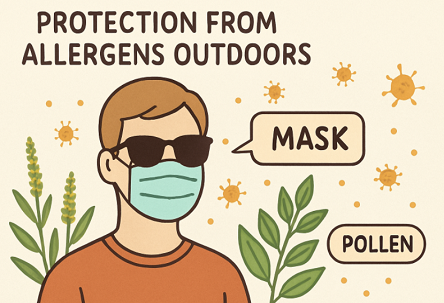
Minimizing exposure to environmental allergens is a foundational strategy for controlling symptoms. Simple changes can significantly reduce the amount of pollen entering your home and body:
* Stay inside as much as possible on dry, windy days when airborne pollen is at its peak.
* Keep windows closed and rely on air conditioning in your home and car, using HEPA filters when possible to trap tiny particles.
* Change out of outdoor clothing once home and shower to remove pollen from your hair and skin.
* Launder bedding and curtains frequently in hot water during allergy season to reduce indoor pollen reservoirs.
* Consider wearing sunglasses and a wide-brimmed hat outdoors to protect your eyes and face from pollen.
Small daily habits such as these can reduce overall allergen load and significantly diminish symptoms over time.
Over-the-Counter Medications
For many individuals, symptoms are best managed with over-the-counter (OTC) medication. Antihistamines like cetirizine (Zyrtec) and loratadine (Claritin) effectively handle sneezing, itching, and a runny nose without the sedating effect of older medications. Nasal corticosteroid sprays—such as fluticasone (Flonase) and triamcinolone (Nasacort)—target inflammation directly and help reduce both nasal congestion and sinus pressure when used regularly. Short-term use of oral decongestants (such as pseudoephedrine) can help open airways, but they should be used with caution, as overuse can lead to rebound symptoms or adverse effects. Before starting a new medication regimen, it is wise to consult with your pharmacist or physician, particularly if you have existing medical conditions or take other prescription drugs.
Natural Remedies and Lifestyle Changes
Many people seek to limit their reliance on medication by employing natural remedies and adopting healthier habits. Saline nasal irrigation, using a neti pot or a saline spray, helps flush pollen and other allergens from your nasal passages. Regularly rinsing your nose is safe and particularly effective before bed. Adding foods rich in omega-3 fatty acids—such as salmon, walnuts, and chia seeds—may help reduce inflammation, which in turn could relieve allergy symptoms. Managing stress through mindfulness, deep breathing exercises, or yoga can also positively affect immune function and reduce symptom severity.
* Saline nasal rinses: Rinse allergens out of your sinuses and ease congestion.
* Anti-inflammatory foods: Eat foods high in omega-3s and antioxidants to support an optimal immune response.
* Stress reduction: Activities such as meditation or light exercise can help balance the immune system.
These non-pharmaceutical interventions can be used alongside conventional therapies to achieve optimal control of allergy symptoms.
Immunotherapy Options
If you have severe or persistent allergic reactions that do not respond to standard treatments, immunotherapy might be the answer. Allergy shots (subcutaneous immunotherapy) involve regular injections of gradually increasing doses of allergen, retraining your immune system to tolerate them over time. Alternatively, sublingual immunotherapy, which comes in the form of dissolvable tablets placed under the tongue, provides an option for those who prefer to avoid needles. Discuss the most appropriate type and duration of therapy with a board-certified allergist, as this treatment involves commitment but can deliver lasting relief and may even prevent the development of new allergies or asthma in children.
When to Consult a Specialist
If your symptoms are poorly controlled with self-care and over-the-counter remedies, if you are unsure what triggers your allergies, or if complications such as sinus infections or asthma frequently arise, it’s time to consult a specialist. An allergy doctor can conduct skin or blood tests to pinpoint your specific allergens and construct a personalized, long-term management program that goes beyond symptomatic relief. Professional guidance is also invaluable if you experience year-round symptoms, have multiple allergies, or require more advanced treatment options such as immunotherapy or prescription medication.
Conclusion
Seasonal allergies can be disruptive, but by combining proactive monitoring, proven medication, natural remedies, and targeted clinical interventions, you can reclaim control over your life. Early identification of triggers, strategic action to minimize exposure, and ongoing communication with healthcare professionals—including an experienced allergy specialist—can ensure that allergies do not overshadow the joy of any season.