Key Takeaways:
* Microneedling stimulates the production of collagen and elastin, thereby enhancing skin texture and firmness.
* Advanced techniques have expanded their applications to include hair regrowth and improved absorption of topical treatments.
* Innovations such as radiofrequency integration and smart microneedles have enhanced the procedure’s efficacy and safety.
Introduction to Microneedling
Microneedling, also known as collagen induction therapy, is a minimally invasive cosmetic treatment that has gained widespread attention for its ability to rejuvenate the skin. At its core, this procedure involves using fine, medical-grade needles to create tiny, controlled micro-injuries on the skin’s surface. These micro-injuries stimulate the body’s innate healing response, leading to an increase in the production of collagen and elastin, the proteins responsible for maintaining youthful and resilient skin. Curious about what to expect during a microneedling procedure? It’s commonly praised for being both effective and requiring little downtime.
Over the past decade, microneedling has evolved beyond its initial goal of simple skin rejuvenation. Newer technologies and techniques have yielded enhanced results with greater safety, allowing treatments to be customized for a broader range of skin concerns. As a result, it has become an integral part of modern aesthetic medicine, offering solutions for a range of cosmetic issues, from acne scars to signs of aging.
Advancements in Microneedling Technology
The rise in microneedling’s popularity can be attributed to innovations that amplify its outcomes. One standout advancement is the integration of radiofrequency (RF) energy within microneedling devices. By delivering RF energy deep into the skin through the microneedles, this technique triggers more profound collagen remodeling and skin tightening than traditional microneedling alone. According to Healthline, RF microneedling is particularly notable for addressing issues such as skin laxity, enlarged pores, and stubborn wrinkles.
In addition, the emergence of smart microneedles—featuring real-time sensors—allows practitioners to monitor skin responses near, ensuring a more tailored and precise approach. This not only reduces the potential for side effects but also boosts the effectiveness of every session through data-driven customization.
Applications Beyond Skin Rejuvenation
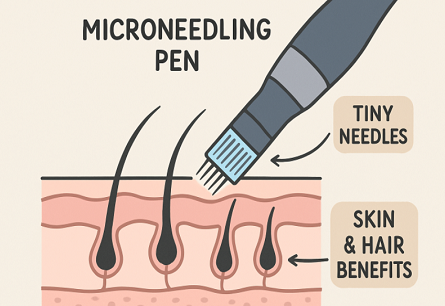
Initially synonymous with reducing fine lines, wrinkles, and acne scars, microneedling’s utility now extends beyond traditional skin rejuvenation. Emerging evidence highlights its value in the field of hair restoration, particularly for individuals experiencing hair loss related to androgenetic alopecia. According to Good Housekeeping, radiofrequency microneedling is gaining popularity for its ability to simultaneously stimulate collagen production and improve skin and scalp health. The process works by promoting better blood flow to the scalp and stimulating stem cells within hair follicles, thereby enhancing hair density and thickness. Furthermore, microneedling is now frequently used by dermatologists as a delivery method for topical growth factors, serums, and medications, thereby boosting their effectiveness.
Enhanced Absorption of Topical Treatments
One key advantage of microneedling is its ability to boost the absorption of active ingredients applied to the skin immediately after treatment. The micro-channels left behind by the needles act as direct pathways for topical serums, peptides, and medications, allowing them to penetrate deeper layers where they can be most effective. This feature is harnessed for everything from vitamin C infusions to professional-strength moisturizers, ensuring faster and more noticeable improvements in skin texture, hydration, and pigmentation.
Safety and Minimal Downtime
A principal attraction of modern microneedling is its excellent safety profile. Unlike ablative lasers or deep chemical peels that remove significant layers of skin and require lengthy recovery, microneedling preserves the skin’s outer layer. This preservation results in a lower risk of infection, reduced inflammation, and minimal post-procedure discomfort. Most patients can resume their daily activities within 24–48 hours post-treatment, making it an ideal option for those with busy lifestyles or who are unable to afford a prolonged recovery period.
Reported side effects are usually limited to temporary redness, mild swelling, or slight tenderness—symptoms similar to a mild sunburn. Still, adherence to post-care instructions and choosing licensed practitioners are crucial for the best experience and outcome.
Suitability for Various Skin Types
Unlike some energy-based treatments, such as specific lasers that can pose risks for individuals with medium to dark skin tones, microneedling is considered a safe and effective option for virtually all skin types. It rapidly heals micro-injuries that bypass the melanin-stimulating layer of the skin, thereby greatly reducing the risk of hyperpigmentation and other pigmentary disturbances. As a result, it is frequently recommended for individuals seeking to address persistent skin issues while minimizing complications.
Conclusion
Modern microneedling techniques have revolutionized aesthetic skincare by offering a customizable, minimally invasive solution for enhancing both skin and hair health. With innovations such as radiofrequency integration and bright needles, which enhance results and safety, and applications expanding beyond simple rejuvenation, microneedling offers a reliable way for individuals to achieve cosmetic benefits with minimal disruption to their daily lives. Continuous research and evolving technology ensure that microneedling remains at the forefront of safe, versatile, and effective treatments in the field of medical aesthetics.