A home often provides comfort, stability, and peace of mind, but that sense of security can fade when certain issues start showing themselves. Small problems are easy to overlook until they grow into something that demands urgent attention. Many homeowners put off repairs for as long as possible, only to find themselves facing larger and more expensive projects later. Knowing when a home needs major work can help prevent serious damage and keep the property safe for years to come. Some warning signs may appear subtle at first, yet they reveal deeper structural or system issues that cannot be ignored. Recognizing these red flags early can make the difference between timely intervention and overwhelming repair costs.
Roof Trouble That Keeps Returning
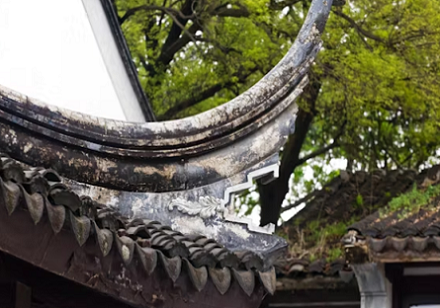
A roof is one of the most crucial components of a home, and when it begins to fail, the signs are difficult to miss. Missing shingles, water stains on ceilings, sagging sections, and consistent leaks all point to a system that has lost its protective strength. Spot repairs might work temporarily, but when the damage keeps coming back, it usually means the entire surface is nearing the end of its lifespan.
Many contractors recommend scheduling inspections when repeated leaks appear because patchwork solutions rarely solve the underlying deterioration. For homeowners seeking long-term protection, professional services for roof replacements can be the most reliable way to restore structural integrity and protect everything beneath it. Leaving roof issues unresolved risks mold, rotting wood, and further internal damage that multiplies costs.
Cracks in the Foundation and Walls
Small hairline cracks often appear in homes as materials settle over time, but large gaps or widening splits are much more concerning. When a foundation begins to shift or sink, it can affect the entire structure, leading to slanted floors, sticking doors, and compromised framing. Wide horizontal cracks or those accompanied by water intrusion typically signal more than cosmetic concerns. Repairs at this stage are rarely superficial and usually involve stabilization, reinforcement, or excavation. Addressing foundation movement early prevents long-term instability and helps avoid the possibility of catastrophic failure in severe cases.
Persistent Plumbing Problems
Dripping faucets and occasional clogs are normal maintenance issues, yet constant plumbing concerns can reveal a deeper problem. Rust-colored water, low water pressure, and recurring leaks often indicate that pipes are corroded or deteriorating. Hidden leaks behind walls may damage insulation, flooring, and electrical wiring before the signs become obvious.
The cost of water damage repairs often far exceeds the cost of addressing failing plumbing systems in the first place. Whole-house repiping or significant plumbing renovations may be necessary when small repairs no longer hold. This type of project is disruptive, but it restores safe and reliable water flow while reducing the risk of extensive interior damage.
Electrical Issues That Go Beyond Convenience
Flickering lights and tripped breakers might seem minor inconveniences, yet they often point to wiring that is outdated or overloaded. Homes with older electrical systems were not designed to handle modern power demands from multiple appliances, electronics, and heating or cooling systems. Overheating outlets, burning smells, or buzzing sounds are serious indicators of dangerous conditions. These issues create fire hazards if ignored, and upgrading an electrical system is not just a matter of convenience but of safety. An extensive rewiring project may be necessary to bring the home up to current standards and provide dependable power for modern living.
HVAC Systems That Can No Longer Keep Up
Heating and cooling systems work hard to maintain a comfortable environment, but they eventually wear down. Signs of serious decline include uneven temperatures across rooms, loud noises from the unit, or rapidly rising energy bills. Regular maintenance can extend an HVAC system’s life, yet every unit has a limit. When repair calls become frequent or parts are no longer available, replacement is usually the only way forward. A full system upgrade is a significant investment, but it ensures consistent comfort, improves air quality, and often reduces energy costs.
Water Intrusion and Interior Damage
Stains on walls, bubbling paint, and warped flooring are signals that water is entering the home where it should not. This may come from leaking pipes, roof problems, or cracks in the exterior envelope. Left untreated, water intrusion encourages mold growth and weakens building materials. The damage can spread rapidly, making rooms unsafe or unusable. Addressing water issues often requires more than fixing the immediate leak. It might involve major structural repairs, mold remediation, or full replacement of affected surfaces.
Exterior Wear That Can No Longer Be Ignored
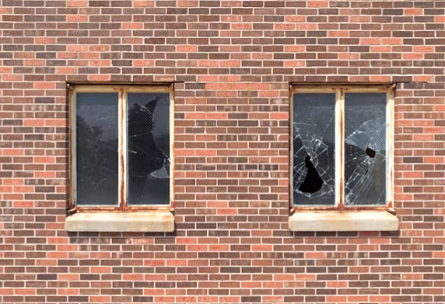
Siding, windows, and doors form the first line of defense against the weather. Over time, these protective barriers weaken, allowing drafts, pests, and water to enter. Peeling paint, rotting wood, or warped siding panels show that the exterior materials have lost their ability to shield the home. Outdated windows with broken seals cause energy loss and make indoor temperatures harder to regulate. Replacing large sections of siding or installing new windows and doors is a considerable undertaking, yet it revitalizes the home’s efficiency and curb appeal.
Homes are complex systems where small warning signs often point to deeper issues. While big repair projects require significant commitment, they prevent even greater losses and provide peace of mind that the home will continue to serve as a strong and secure place to live.